Fasting between meals might not be healthy for everyone. Here's why
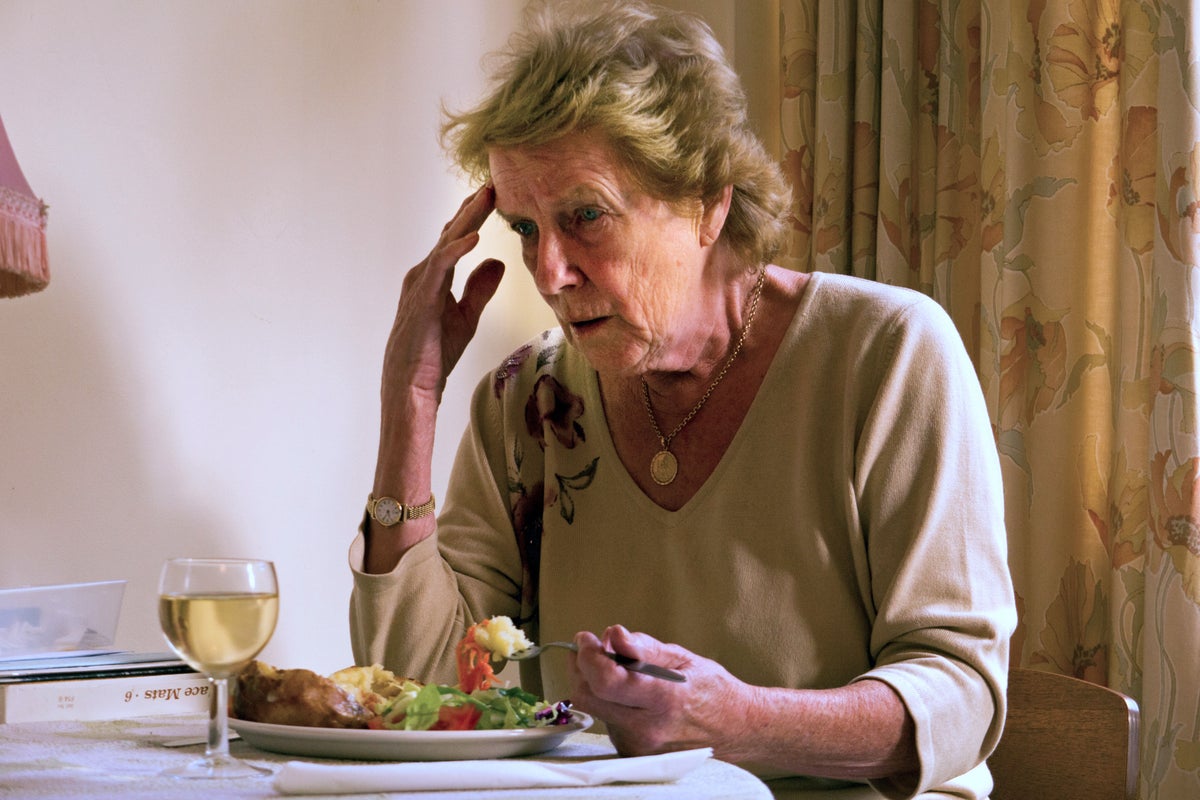
A study discussed in the article suggests that long gaps between meals may affect older adults differently, particularly those in the oldest age groups. Researchers followed 2,981 people aged 60 and over in Sweden and found that those who typically went the longest without eating developed chronic diseases faster than peers with shorter gaps. The contrast was most evident for participants aged 78 and older. The authors stress the results don’t prove fasting directly causes disease, and not all older adults should automatically avoid long intervals without food. They note that aging changes digestion, nutrient absorption, blood-sugar control, and muscle maintenance, and that older people often live with multiple conditions and take several medications.
 xCruzo