How New CF6 Engines Made The C-5M Galaxy More Fuel Efficient Than The Original C-5
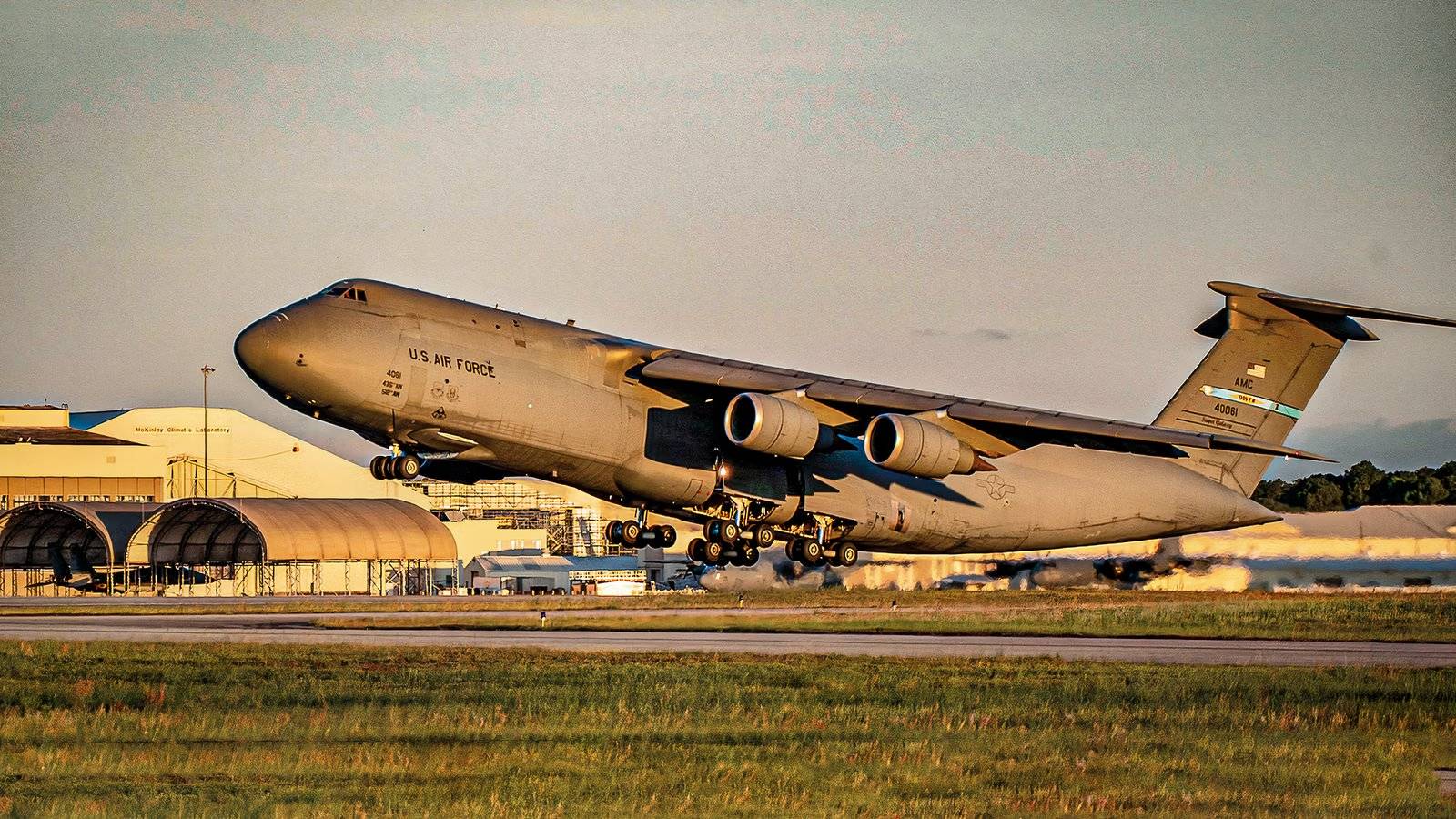
New CF6 engines increased the fuel efficiency of the Lockheed Martin C-5M Galaxy compared with the original C-5’s TF39 powerplants, as part of a long-running modernization program. The USAF’s C-5 is the service’s strategic heavy airlift backbone, delivered in June 1970 to the 437th Airlift Wing at Charleston AFB, South Carolina. By the turn of the millennium, aging TF39 engines had declining performance, higher maintenance needs, and spare-parts shortages, contributing to reduced readiness and fuel efficiency. The replacement came in the form of the F138 turbofan, a military derivative of General Electric’s CF6-80C2 commercial engine. Installed fleetwide, the new engines were designed to improve performance, reliability, and fuel burn, keeping the aircraft viable through at least 2040. The modernization accelerated after a study in 1998 showed the fleet retained about 80% of its airframe service life. In December 2001, Lockheed Martin received a System Development and Demonstration contract for the Reliability Enhancement and Re-engining Program, beginning with four C-5s and first flight activity in June 2004.
 xCruzo