Hydrogen-Rich Water: From Electrolysis Chemistry to Farms, Food and Clinics
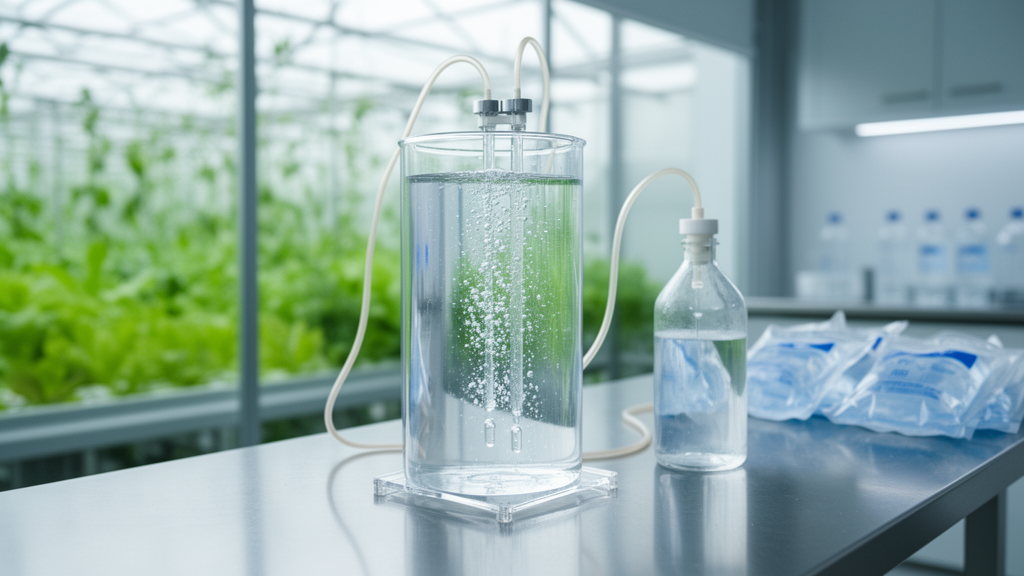
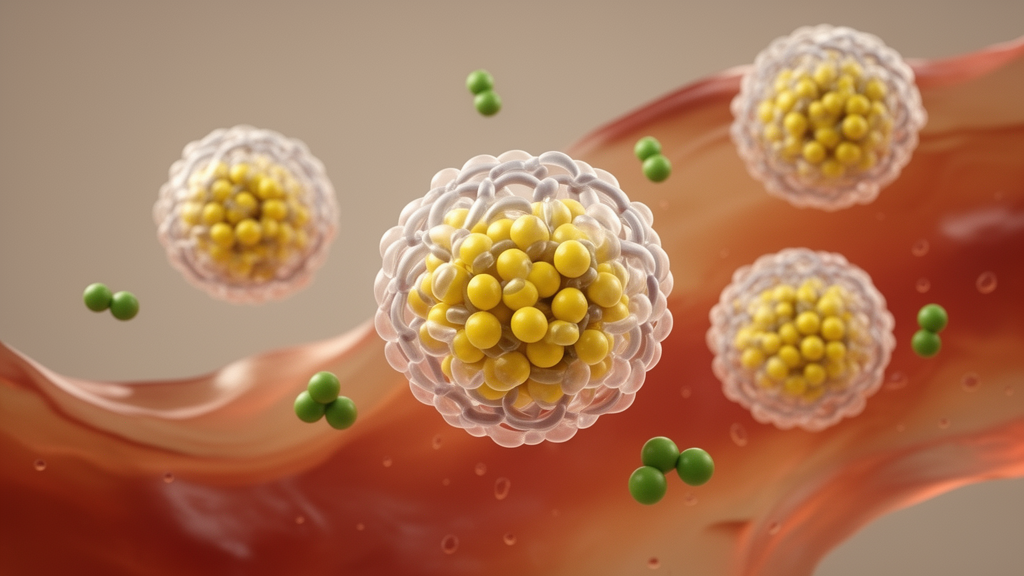
A comprehensive review synthesizing 170 peer-reviewed studies—most published since 2020—tracks hydrogen-rich water (HRW) from how it’s made to reported effects in agriculture, lab settings, and human clinical trials. The review explains why molecular hydrogen is of interest: its small, non-polar structure allows it to diffuse across cell membranes and can selectively neutralize harmful reactive oxygen species without disrupting beneficial signaling. It describes three main production routes—bubbling externally generated hydrogen through water, using hydrogen-generating materials such as magnesium, and electrolysis with proton exchange membrane systems for drinking-water devices. It also stresses that HRW isn’t chemically identical across methods, citing differences in pH, oxidation-reduction potential, and dissolved oxygen.
 xCruzo