Microalgae emerge as the engine of a sustainable blue bioeconomy
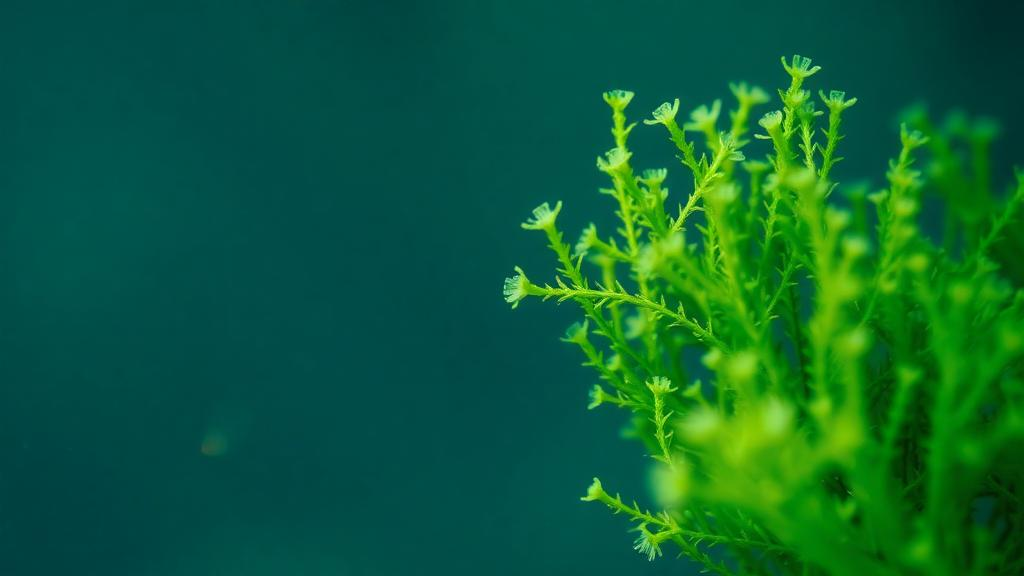
A comprehensive review in Blue Biotechnology argues that microalgae could become a key engine for a sustainable “blue bioeconomy,” leveraging ocean resources to produce food, fuel, medicines and cleaner water. Authored by Doris Ying Ying Tang, Cendy Ooi and Pau Loke Show of Khalifa University and the University of Nottingham Malaysia, the paper links microalgae technology to ecosystem protection, carbon sequestration and wastewater treatment as climate pressures intensify. It cites microalgae’s advantages over terrestrial crops, including short multiplication cycles, no need for arable land, and dry biomass productivity above 100 tonnes per hectare per year. The review estimates photosynthetic efficiency around 10% and notes CO2 removal potential 10 to 50 times higher than land plants. It also summarizes global industry growth from 0.56 million tonnes in 1950 to 35.82 million tonnes in 2019, with Asia responsible for over 97% of production.
 xCruzo