Tiny Bubble Messengers Could Transform How Gastric Cancer Is Detected and
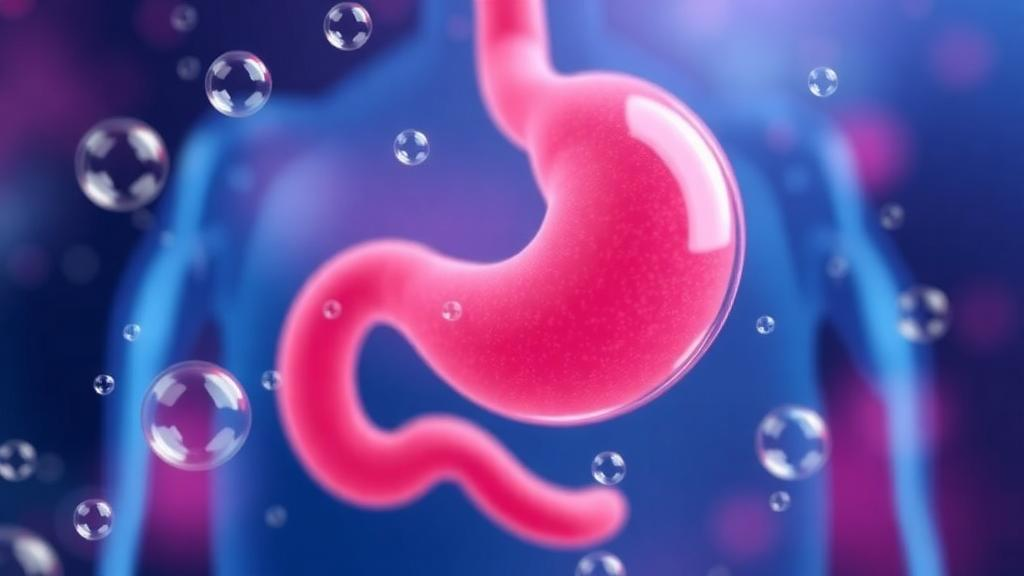
A review published in Medical Oncology highlights how extracellular vesicles (EVs)—tiny membrane-bound particles released by cells—are shaping research into gastric cancer detection and treatment. Writing in a synthesis by Xuewei Shi, Chen Shao and Ju Wang, the paper explains that EVs carry proteins, lipids, and nucleic acids, including non-coding RNAs, enabling tumor cells to communicate and alter the surrounding microenvironment. The review emphasizes immune evasion: gastric cancer–derived small EVs can suppress antitumor responses, including via exosomal PD-L1, which can dampen CD8-positive T-cell activity and expand myeloid-derived suppressor cells. It also notes that chemotherapy with 5-fluorouracil may raise exosomal PD-L1 levels in advanced disease. The authors further describe effects of EVs linked to Epstein-Barr virus and specific microRNAs.
 xCruzo