Researchers developed an AI tool that predicts cancer survival odds by analyzing patients' face
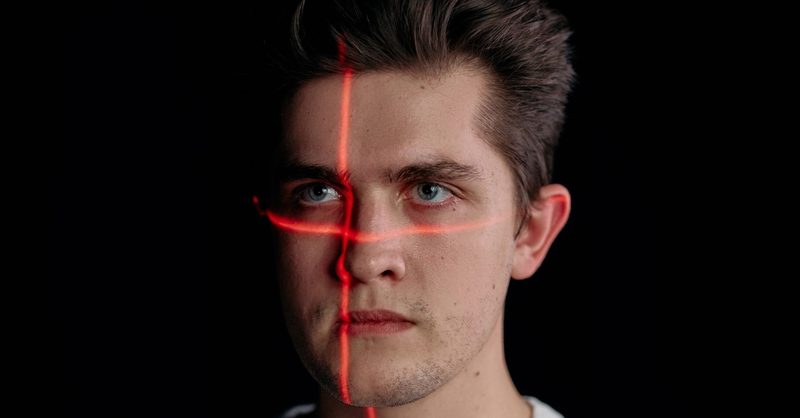
Researchers at Mass General Brigham developed FAHR-Face, an AI system that analyzes facial photographs to estimate cancer patients’ biological age and survival risk. The approach, described in The Lancet Digital Health, was trained on more than 40 million facial images spanning different ages and ethnicities and was adapted into two tools: FAHR-FaceAge, which estimates biological age from facial features such as creases near the nose and mouth, forehead, and temples, and FAHR-FaceSurvival, which predicts survival risk from areas below the eyes and around the nasal bridge. Patients in the highest-risk quartile had more than three times the mortality risk of the lowest group. The study also linked looking at least five years older to a 21% higher risk of dying within four years, and found associations with heavy drinking, drug use, and smoking. Accuracy was largely stable across lighting and makeup, with only a small shift after rhinoplasty. The team says it’s meant to support clinicians, not replace them, and more research is needed before broad clinical use.
 xCruzo