Still Turbulent Strait of Hormuz, Stranded Ships Wait for Clarity
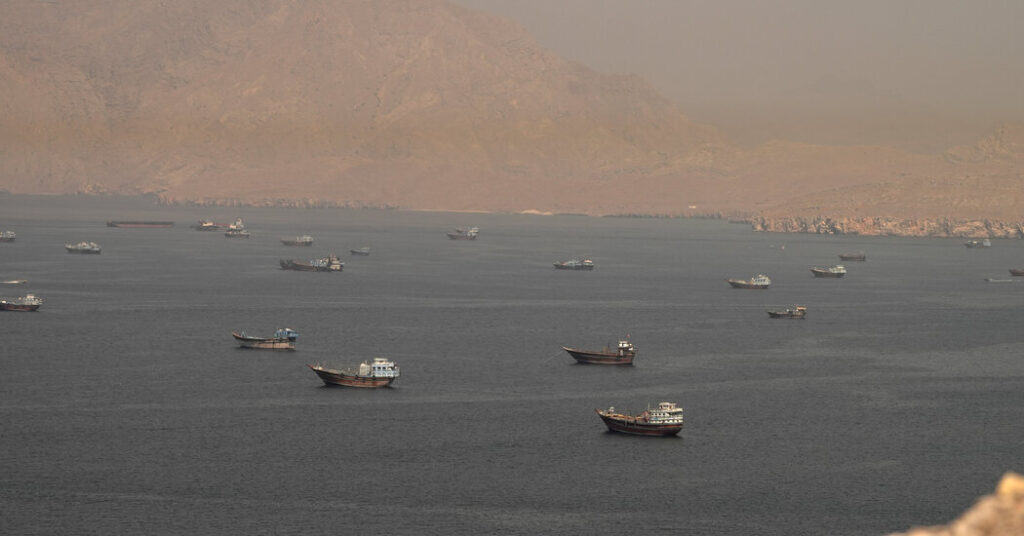
The Strait of Hormuz remains volatile as shipping seeks a window to exit the Persian Gulf after a week of rapid developments. A preliminary 60‑day negotiation window, agreed Wednesday by U.S. President Trump and Iran’s Masoud Pezeshkian, began talks and Iran pledged to reopen the strait, while the U.S. lifted a blockade on Iranian vessels imposed since April. On Friday, the next phase of talks in Switzerland was postponed, and Israel said it had targeted Hezbollah after four soldiers were killed in Lebanon, followed by a cease‑fire later in the day. Oil prices wavered as markets monitored shifting risk; 25 ships passed through Thursday, including 14 tankers, yet traffic remains well below the pre‑war pace of about 130 vessels per day.
About 500 commercial vessels remain stranded in the gulf, with roughly 11,000 seafarers affected. Navigational risks persist due to a central mine field corridor, unclear entry/exit routes, and GPS interference, prompting calls for clear routing and procedures. Two viable paths exist: a northern route through Iranian waters and a southern one via Omani waters supervised by the U.S. Navy, though grounding risks and maritime hazards remain. Hull barnacles and other buildup after three months at standstill complicate speed and operations, underscoring the need for clarity before resumed traffic.