When AI Curates the Museum: XR and the New Rules of Cultural Heritage
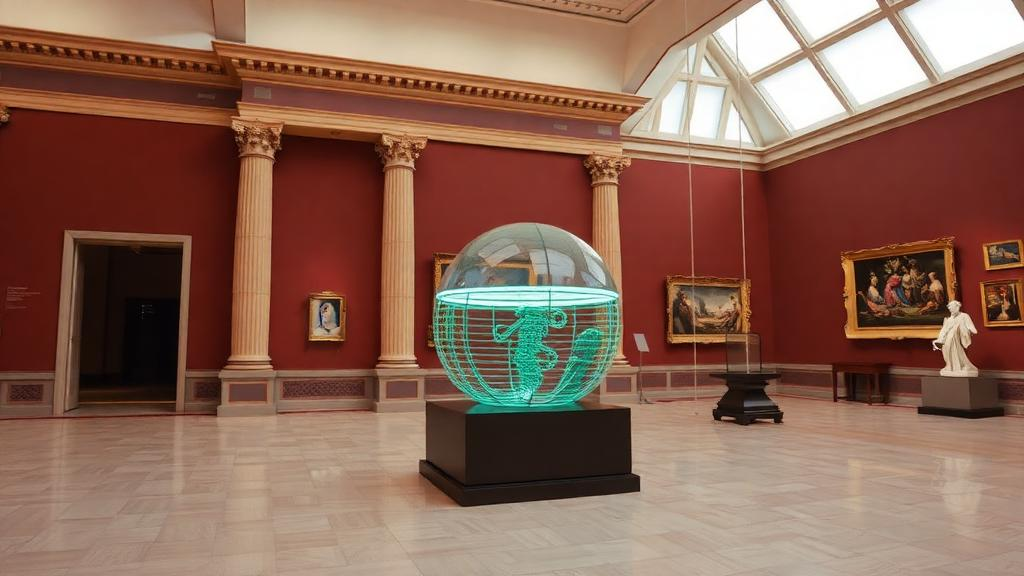
The article examines how AI is changing museum digitisation beyond earlier digital tools like multimedia guides, touchscreen kiosks, and web archives from the 1990s and 2000s. It argues that while early systems mostly delivered curator-authored content in a largely fixed way, newer approaches can make decisions about the content itself. Examples cited include an “AI Director” that adjusts pacing based on inferred visitor profiles and affective computing pipelines using cameras and biosensors to reshape augmented reality overlays. The piece also highlights an argument about meaning: high-resolution 3D scans can be reproduced and transmitted endlessly, but may lose provenance, ritual use, and scholarly context unless relationships are preserved in the digital experience. It adds that personalization research may overestimate how uniform visitor responses are, noting findings that aesthetic and emotional responses vary with embodied locomotion and artwork scale.
 xCruzo


![There is deep irony in [Jeanie] alleging that it is ...](https://s.yimg.com/lo/mysterio/api/7336f4279b9e03716fb487f299dc9cac563c17db522784cd32283076657c27b9/lightyear_networkapi/resizefill_w1200_h675%3Bquality_80%3Bformat_webp/https%3A%2F%2Fs.yimg.com%2Fcv%2Fapiv2%2Fsocial%2Fimages%2Fyahoo_default_logo-1200x1200.png)