How United's 'premiumization' strategy got passengers to swallow higher airfares without a fight | Fortune
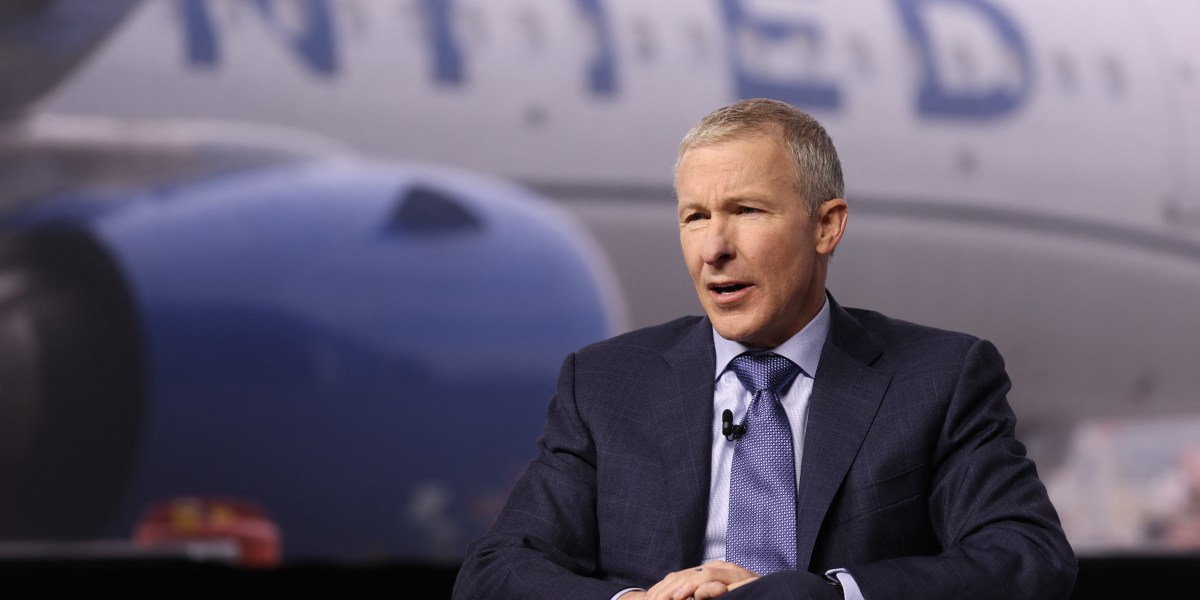
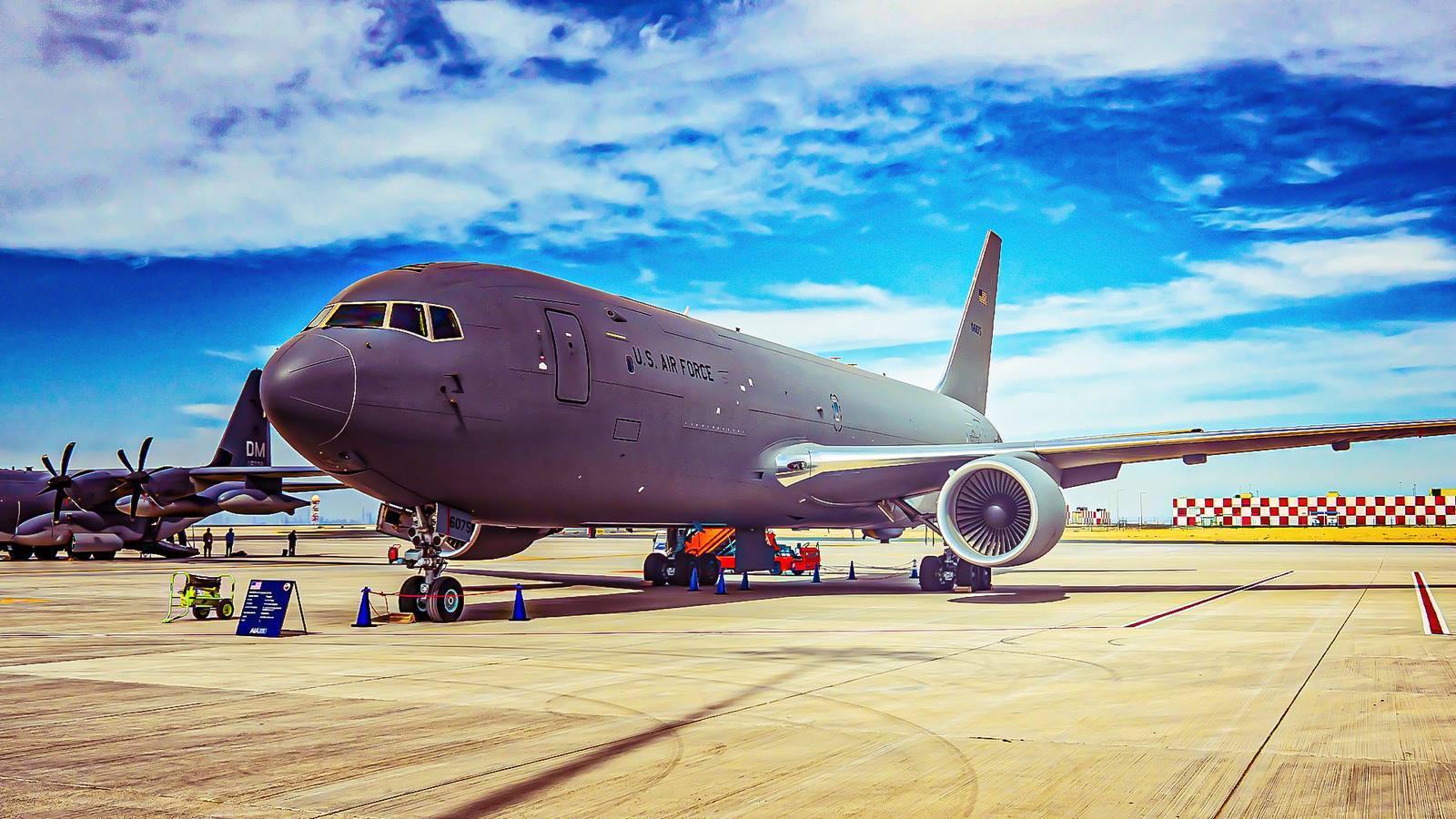
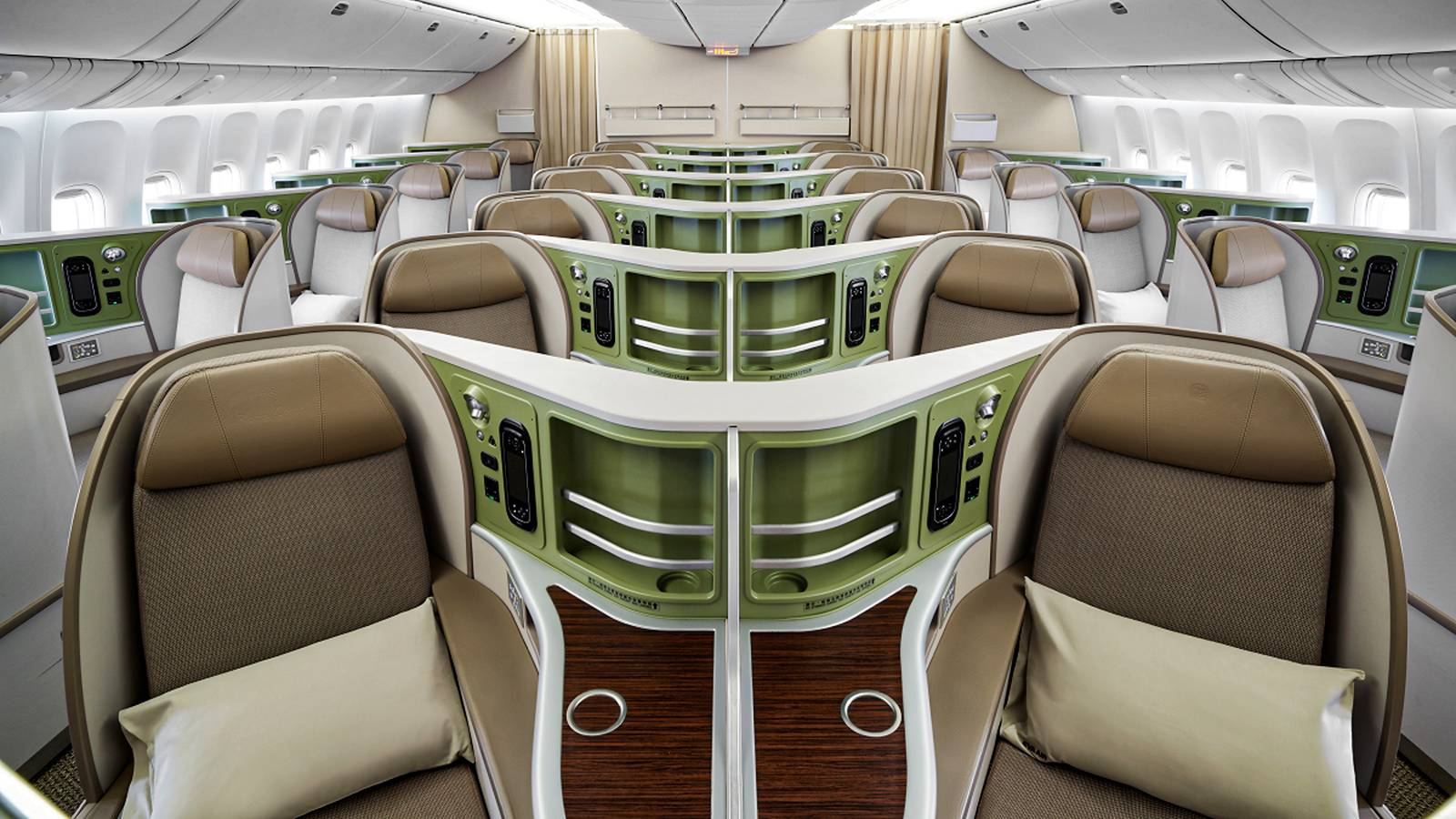
United Airlines’ “premiumization” strategy helped the carrier secure higher fares as it trained passengers to pay more for improved seats and amenities, with results showing in quarterly figures. During the second quarter, United reported operating revenue up 16% to $17.7 billion, amid rising fuel costs linked to the U.S.-Iran conflict. CEO Scott Kirby said demand remains strong and that United’s brand-loyalty approach is working, using the environment to invest in the customer experience. While United has not quantified specific fare increases, Skiplagged data cited by the New York Times found prices rose 35% on popular domestic routes and 15% on international destinations this summer. The company’s premium-seat revenue grew 16% versus basic economy revenue growth of 11% in the same quarter. Delta Air Lines showed similar momentum, with premium revenue up 17%, and both carriers are competing to convince travelers their premium product is superior. United is also adjusting cabin layouts and expanding features like plans for Wi‑Fi supported by Elon Musk’s Starlink on up to 1,000 planes by year-end.
 xCruzo