Alaska's climate warms, shellfish poisoning spreads to unfamiliar waters
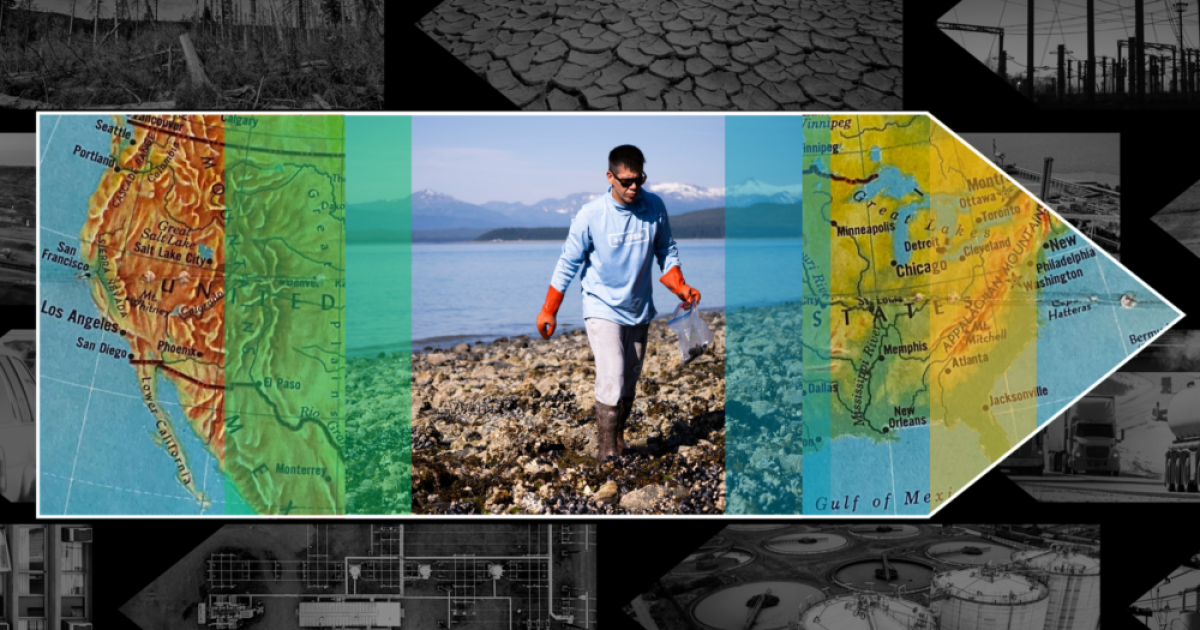
Shellfish poisoning risk is rising for Alaska’s growing oyster-farming industry as warmer conditions spread harmful algal blooms into new waters. In Juneau, oyster farmer Meta Mesdag of Salty Lady Seafood Company must submit weekly samples to state regulators during the selling season; a positive paralytic shellfish poisoning result forces a shutdown of at least two weeks. Mesdag said 2023 brought multiple closures—nearly 10 weeks total in a 20-week season—underscoring how hard it is to prevent or predict toxic blooms. This year, she reported no shutdowns. At Point Louisa beach, members of Southeast Alaska Tribal Ocean Research (SEATOR) issue public alerts by testing shellfish toxins, reflecting both modern regulation and Indigenous harvesting traditions. The article traces poisoning incidents back to 1799 and discusses how microscopic phytoplankton can multiply under the right conditions.
 xCruzo