
Acura Integra
Premium sport compact · 1986–2001 and 2023–present. 24,398 units sold in the US in 2024
How it began
Honda created the Integra and American Honda sold it through Acura. The prototype announcing the 2023 return was designed in Japan and presented by Jon Ikeda, vice president and Acura brand officer. A Honda interview published in May 2025 identifies Yoshiaki Akimoto as the person previously responsible for developing the North American Acura Integra, before leading the Civic.
The Integra originated in Japan. U.S. production of the 2023 model began on May 5, 2022 at Marysville, Ohio, its exclusive global factory, on the TLX line. Its 1.5-liter turbo engine and the Type S K20C are built at Anna, Ohio.
The Integra arrived on March 27, 1986, the same day Acura was born: 60 dealers in 18 states opened their doors with two models, the Integra and the Legend. It was sold through 2001; from 2002 to 2006 its place was taken by the Acura RSX. The name returned with the 2023 Integra, which went into production in May 2022 and reached dealers in early June 2022 starting at $30,800.
Honda explained the name at the Japanese launch on February 19, 1985: Integra comes from the English integrate, to combine or complete, because it brought Honda technology together in one car. In 1989 Acura also described its philosophy as a total integration of man and machine, with the car built around the driver.
In February 1984, American Honda announced a new luxury and performance division for the U.S., as an alternative to the European brands that dominated that market; its working title was "Channel II" and in September 1984 it was named Acura. It was the first Japanese luxury brand in the country. The Integra was the way in: a front-wheel-drive sport compact with Acura quality. In 2022 it returned with the same mission, attracting a new generation of enthusiast drivers, and Acura says it now has the youngest buyers in its segment.
Generation by generation
- Gen. 11986–1989 · DA1 / DA3
The car that launched the Acura brand
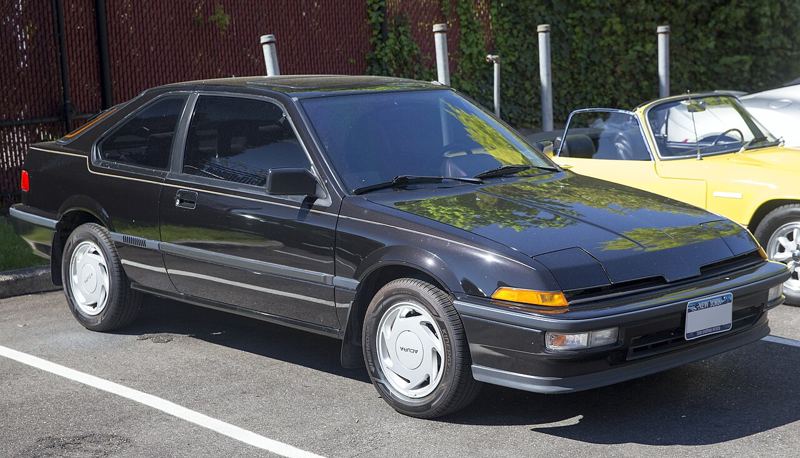
Photo: Mr.choppers · CC BY-SA 3.0 What changed. It was the first Integra in the U.S. and one of the two models Acura was born with. It came as a 3-door and a 5-door hatchback, in RS and LS trims, with pop-up headlights and a slippery wedge shape (0.34 drag coefficient). For 1988 it got more power, new bumpers and a restyled interior. In 1986, its first partial year, 27,807 units were sold.
The innovation. A 1.6-liter aluminum four-cylinder with dual overhead cams, 16 valves and computer-controlled fuel injection: 113 hp at first and 118 hp from 1988. It was a sports-car engine in an entry-level compact, and it also had disc brakes on all four wheels.
If you buy one usedToday it is a collector car. Two selected manufacturer campaigns concern these repairs: 1986 and 1987 models could lose the windshield-wiper contact unit in extreme heat (campaign 88V180), and 1986 to 1989 models have red front seat-belt release buttons that can break (95V103). Ask for proof the work was done, check that both belts latch properly, and keep the car's age in mind when checking for rust and parts. NHTSA also lists 87V171 for omitted child-restraint attachment information in certain 1987 owner manuals; the remedy supplies correction pages. The full seat-belt campaign identifier is 95V103001. - Gen. 21990–1993 · DA9 / DB1 / DB2 (GS-R)
Race-style suspension and the arrival of VTEC
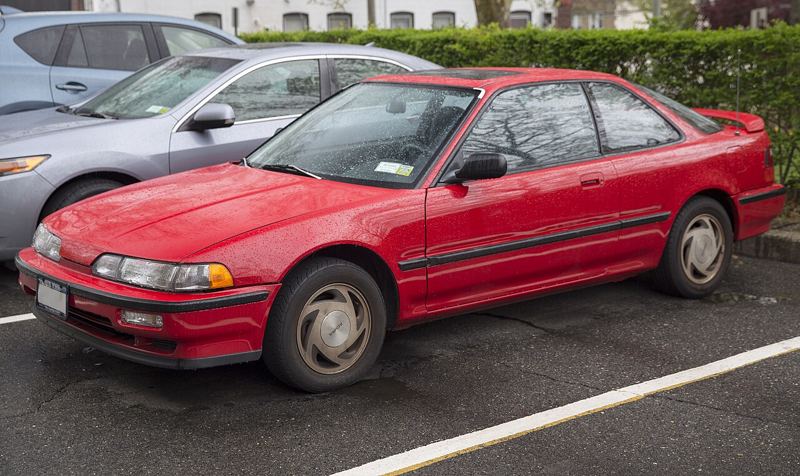
Photo: Mr.choppers · CC BY-SA 3.0 What changed. Honda did not carry over a single major component from the previous generation. It came as a 3-door hatchback and a 4-door sedan, longer, lower and wider, with a 1.8-liter, 130 hp engine, anti-lock brakes available on the new GS trim, and double-wishbone independent suspension at all four corners. In 1990 Acura sold 83,559 Integras, the best year in its U.S. history.
The innovation. In 1992 the GS-R arrived with a 160 hp, 1.7-liter VTEC engine. VTEC is Honda's system that changes how the valves operate depending on engine speed, and the Integra was only the second Acura to get it, after the NSX supercar.
If you buy one used1990 and 1991 models are covered by recall 95V103 for front seat-belt buttons that can break. Exact NHTSA Acura/Integra queries for model years 1992 and 1993 on November 3, 2026 each returned nine aftermarket-equipment campaigns, with no Honda/Acura vehicle-manufacturer campaign within those results. Several concern replacement headlights and corner lamps sold for 1990–2001 Integras that failed the federal lighting standard: if the car has non-original lights, check their brand. These dated exact-name results are not VIN clearance or a guarantee about every model alias. - Gen. 31994–2001 · DC2 / DB8 (VTEC); DC4 / DB7 (non-VTEC)
Four round headlights and the legendary Type R
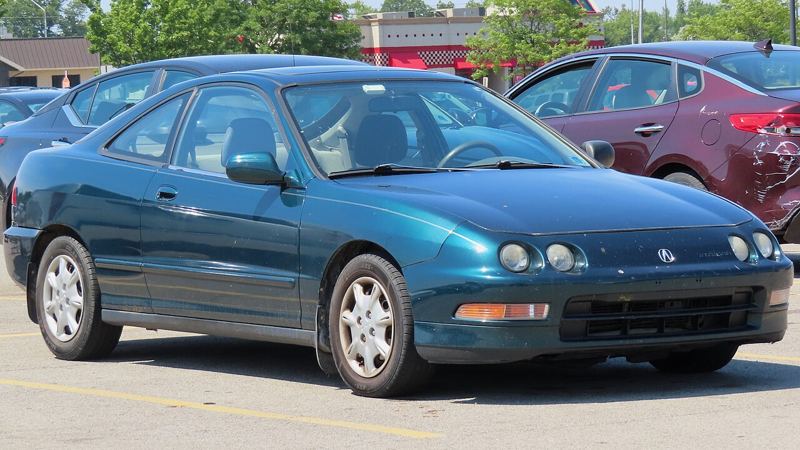
Photo: MercurySable99 · CC BY-SA 4.0 What changed. It debuted in fall 1993 with a new chassis and interior, as a 3-door hatchback and a 4-door sedan, and the VTEC-powered GS-R was offered as a sedan for the first time. The GS-R had a 170 hp 1.8-liter. For 1998 it got new bumpers and lights, and by 2000 the LS, GS and GS-R met the TLEV low-emissions standard, with platinum spark plugs for 100,000-mile tune-ups. It was the Integra of the movie The Fast and the Furious (2001).
The innovation. The Integra Type R reached the U.S. in 1997: a hand-built 195 hp 1.8-liter VTEC engine, a helical limited-slip differential, upgraded brakes and suspension, 33 pounds less than the GS-R and a seam-welded chassis for extra stiffness. It returned for 2000 and 2001 in Phoenix Yellow or black.
If you buy one usedNHTSA lists two manufacturer recalls: on 1994 automatic models, a shift-cable clip could come off so the lever no longer matched the actual gear (94V063); on 2001 models, some passenger airbag modules were not welded properly and might not deploy (02V196). The same warning about non-original headlights from the previous generation applies. An original Type R is worth a lot: a 7k-mile 2000 example drew a $112,112 winning bid on January 29, 2022, so confirm it is genuine before paying that kind of money. - Gen. 42002–2006 · DC5
The RSX: the Integra under another name
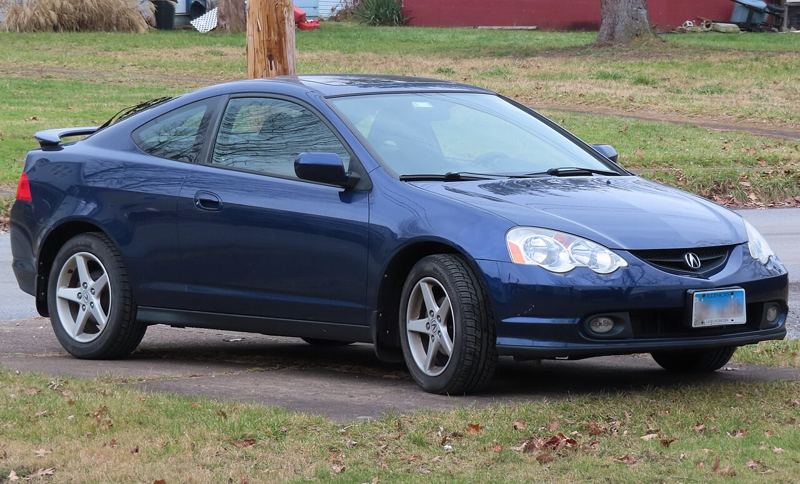
Photo: MercurySable99 · CC BY-SA 4.0 What changed. In July 2001 Acura replaced the Integra name with RSX in the U.S. Acura counts it as the fourth Integra generation. It came only as a 3-door hatchback, with a new body and chassis and a 2.0-liter engine: 160 hp in the RSX and 200 hp with a 6-speed manual in the RSX Type S, rising to 210 hp in 2005. From 2001 to 2008, Acura sold 130,852 RSXs.
The innovation. The K20 engine with i-VTEC, which combines VTEC with variable cam timing (VTC). In 2003 Ward's named it to its 10 Best Engines list.
If you buy one usedExact NHTSA Acura/RSX queries on November 3, 2026 returned only aftermarket-equipment campaigns for model years 2002–2005: four each for 2002–2004 and two for 2005. These are bounded name/year query results, not VIN clearance. The 2006 has two: units built between January 18 and August 12, 2006 can lose brake-booster vacuum and need more pedal force (13V246), and the owner's manual listed the wrong NHTSA contact details (06V270). Check the VIN on NHTSA's site. - Gen. 52023–present · DE4
The comeback: turbo, five doors and made in Ohio
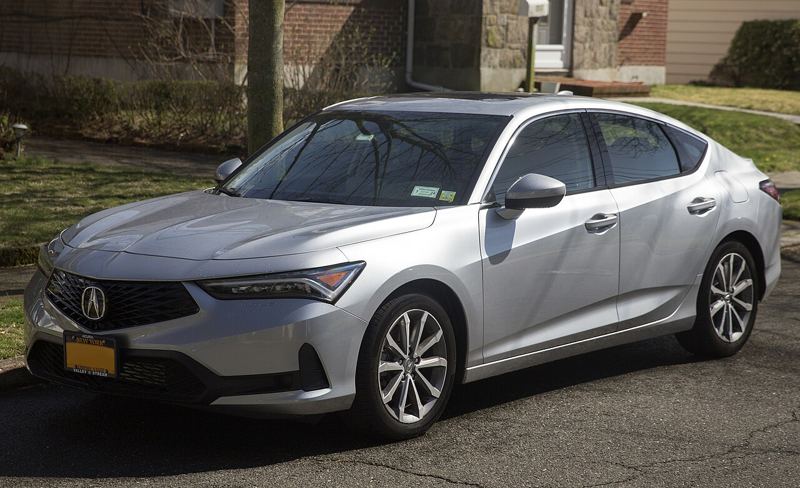
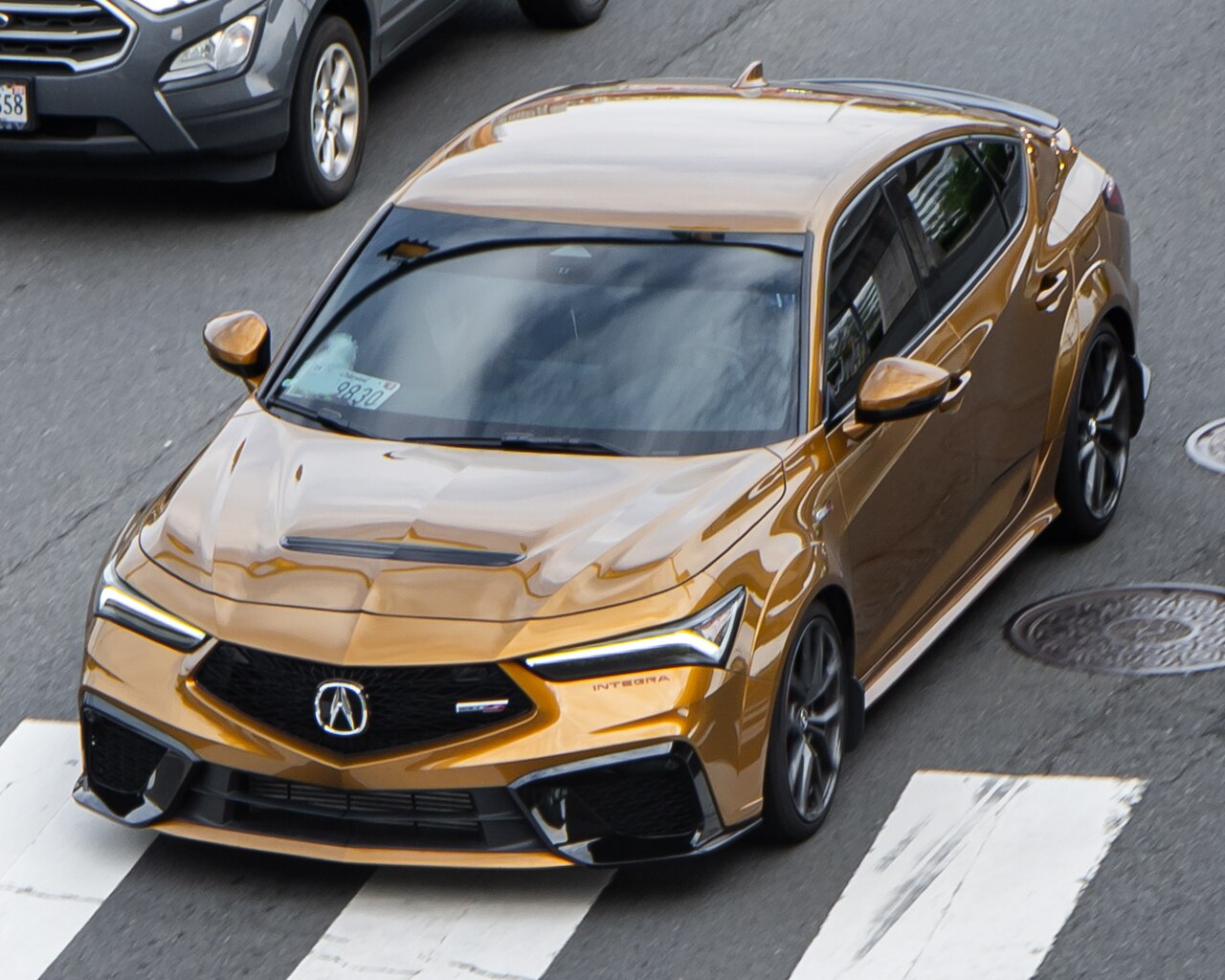
Photo: Mr.choppers · CC BY-SA 3.0 What changed. The name returned after 21 years as a 5-door liftback, the only one in its class, with a coupe-like roofline and a big cargo area, like the original 5-door Integra. It is the first factory-turbocharged Integra and the first built in the U.S. It won 2023 North American Car of the Year, and in June 2023 the Type S arrived with 320 hp, a 6-speed manual and a widened body.
The innovation. Its 200 hp 1.5-liter turbo makes 133.3 hp per liter, the highest specific output in its segment according to Acura, and the 6-speed manual automatically matches revs on downshifts. It also introduced to its segment front airbags designed to reduce the risk of brain and neck injuries.
If you buy one usedNHTSA lists four recalls: on 2023 models, the stability-assist (VSA) modulator valve can leak brake fluid (23V430); on 2023–2025 models and the 2024–2025 Type S, the steering gearbox can have excess friction and make steering hard (24V744); and on some 2024 models, including the Type S, the driver's seat-cushion frame may not have been tightened properly (24V859 and 26V054, the latter with letters mailed in March 2026). IIHS gave the 2023 and 2024 models its Top Safety Pick+ rating. The seat-frame campaigns have separate VIN eligibility;26V054 expands 24V859. The published letter date for 26V054 is March 10, 2026.
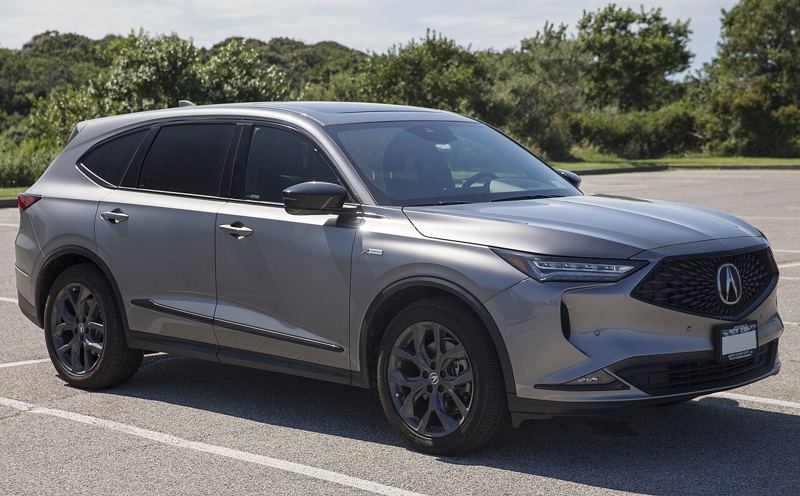 Acura MDX2001–present
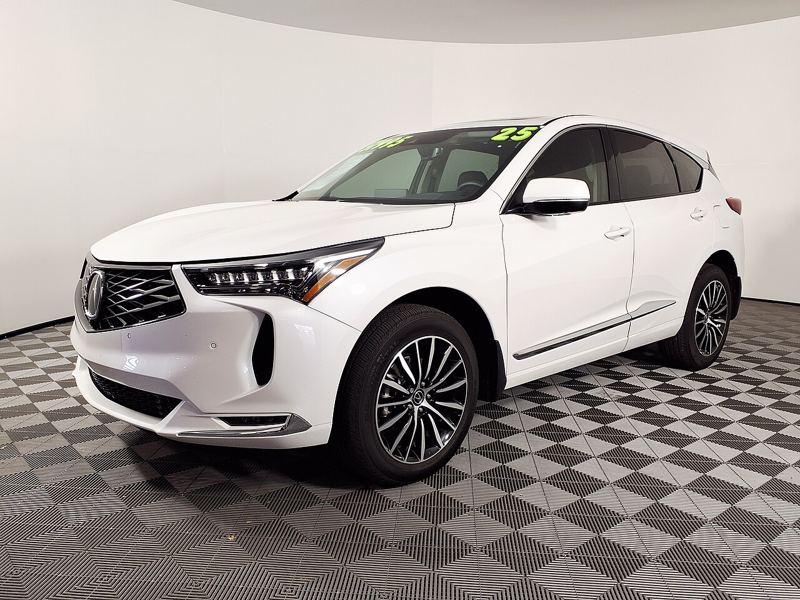 Acura RDX2007–present
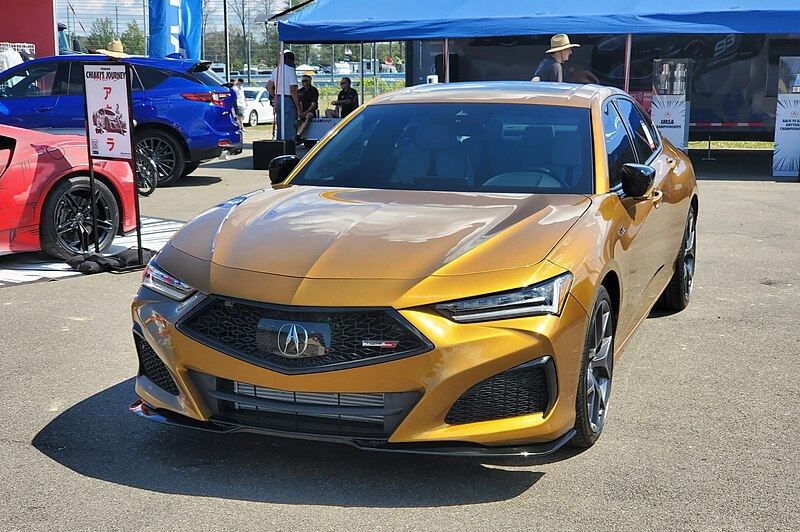 Acura TLX2015–2025
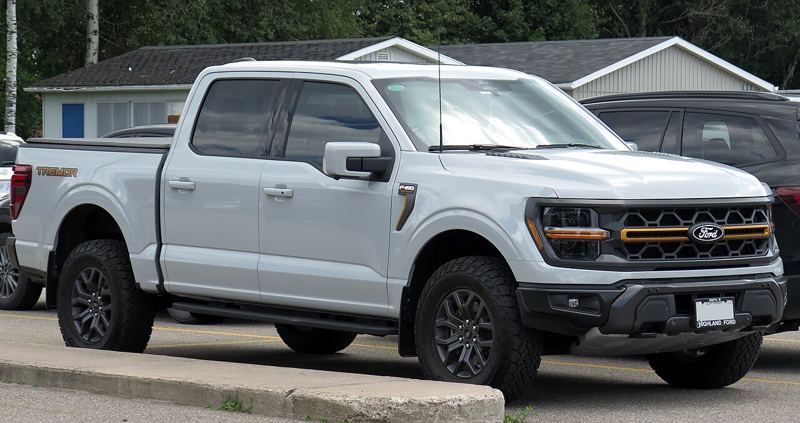 Ford F-Series (F-150)1948–present
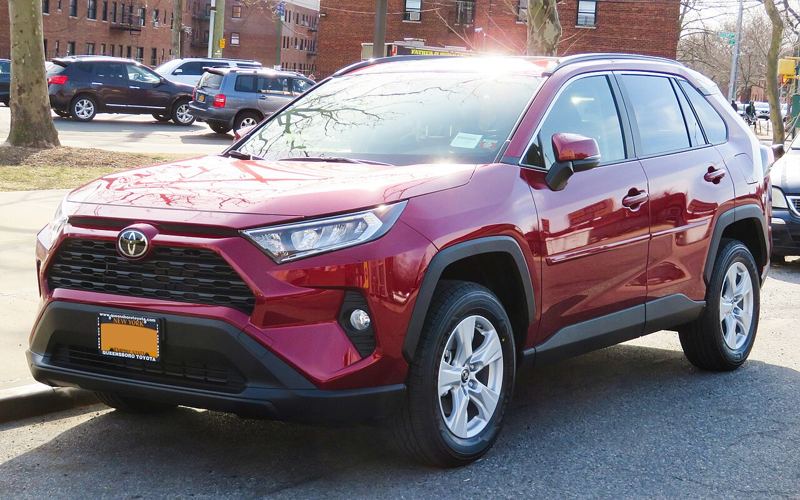 Toyota RAV41994–present (US from 1996)
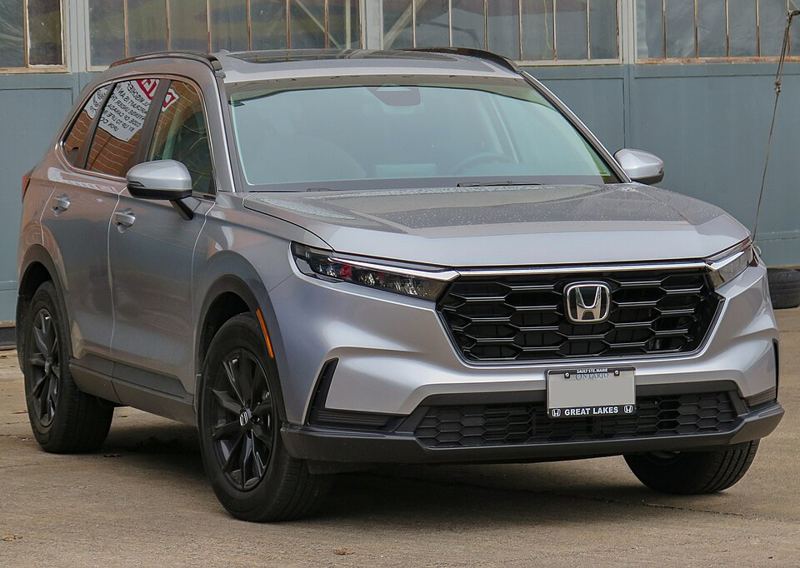 Honda CR-V1995–present
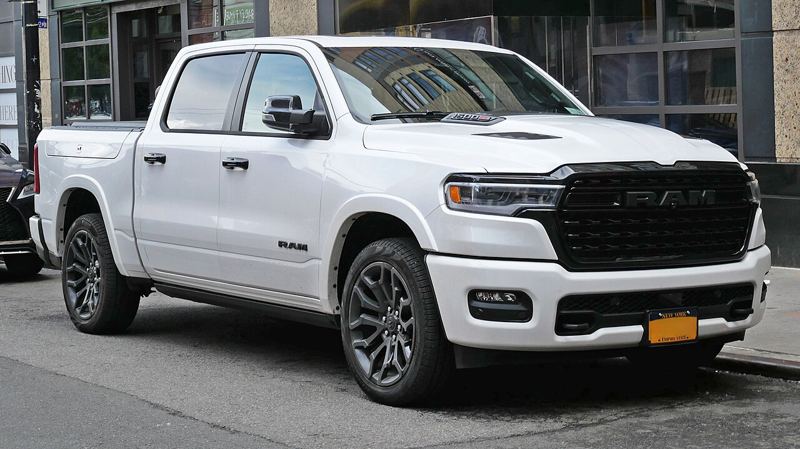 Ram 15001981–present
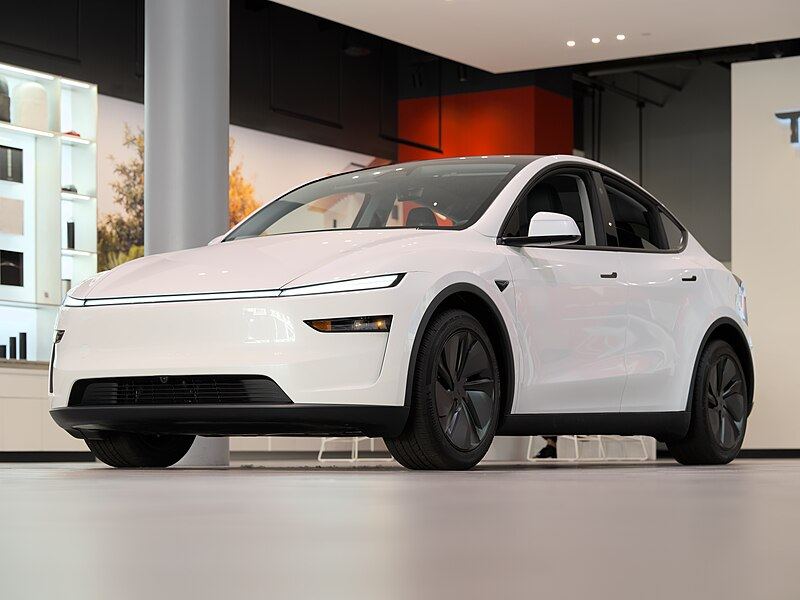 Tesla Model Y2020–present
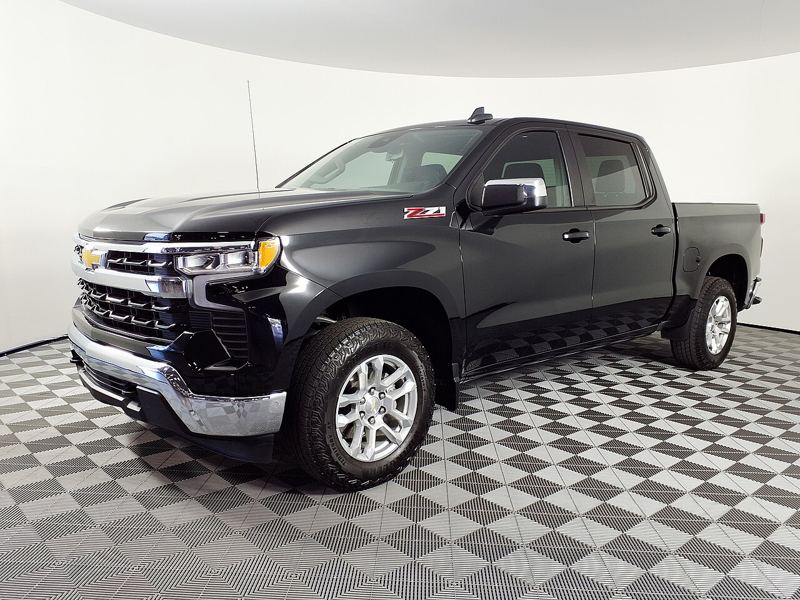 Chevrolet Silverado1999–present


