
Fiat 500
City car (minicompact) · 1957–1975; U.S. model years 2012–2019 and from 2024. 970 units sold in the US in 2024
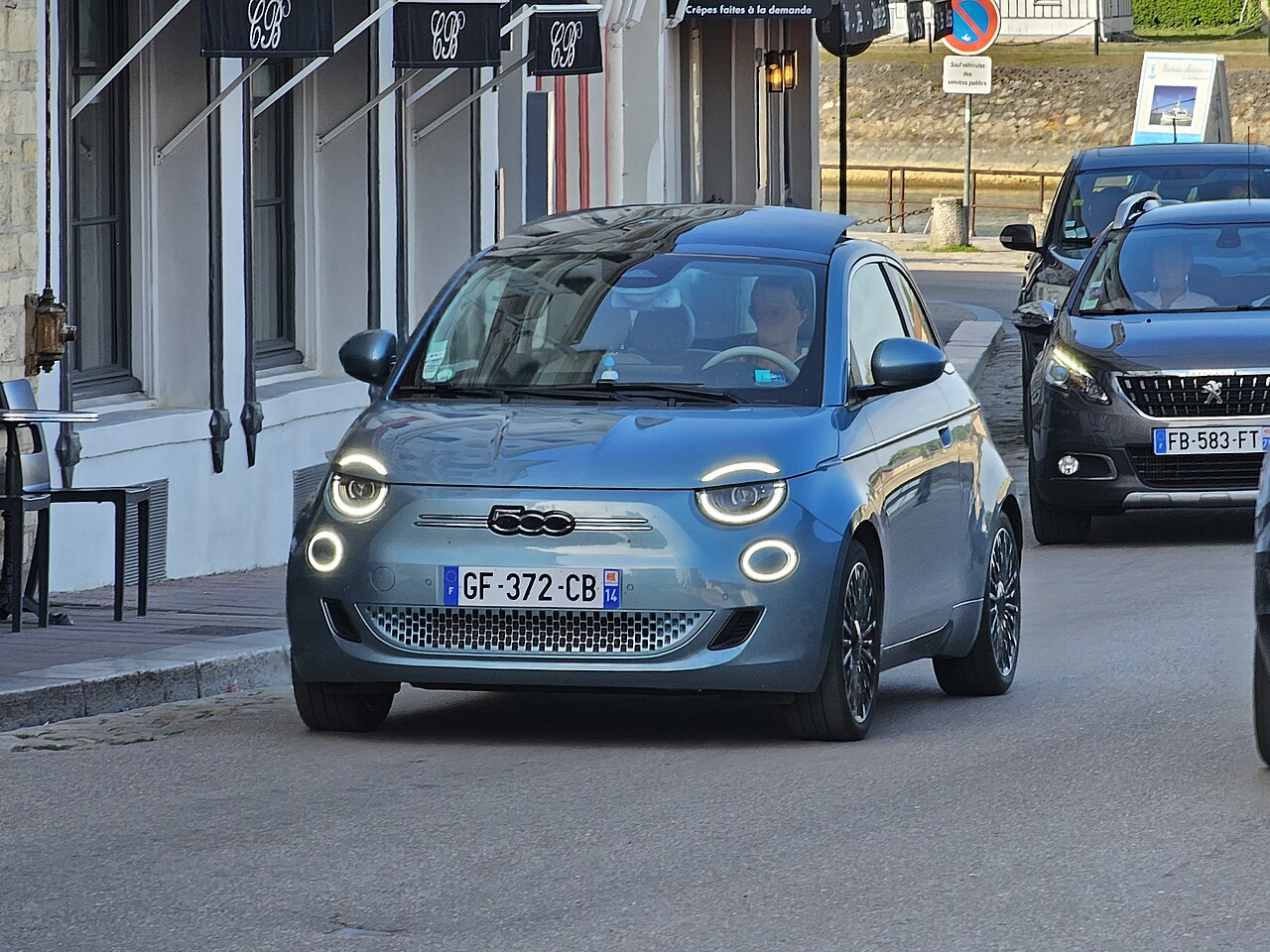
How it began
The original 1957 500 was the work of engineer Dante Giacosa, who had also designed the first 500 Topolino. The push came from Fiat president Vittorio Valletta, who wanted a car even smaller and cheaper than the Fiat 600. The modern 2007 500 has a father acknowledged by Fiat: Roberto Giolito of the Fiat Design Centre. In the United States, the 2011 return was led by Sergio Marchionne, CEO of Chrysler Group, and Laura Soave, Head of the Fiat brand in North America; the current 500e was introduced by Olivier Francois, CEO of FIAT.
It was born in Turin, Italy: on July 4, 1957 it paraded from the Mirafiori factory to the city's historic center. The U.S. 500 for model years 2012 to 2019 was built at the Toluca plant in Mexico, where Chrysler invested $550 million and added 622 jobs. The 500e sold in the U.S. today is back home: it is built at the Mirafiori plant in Turin.
The Nuova 500 was presented in Turin on July 4, 1957. The modern 500 debuted exactly 50 years later, on July 4, 2007. For the U.S. it was revealed at the Los Angeles Auto Show on November 16, 2010 as a 2012 model, and 19,769 were sold in its first 10 months in 2011. The current 500e began rolling off the line for the U.S. in February 2024.
500 is cinquecento in Italian, and Fiat itself uses that name. It was chosen to link the car to the earlier Fiat 500, nicknamed Topolino (little mouse), even though the two cars were entirely different. The e in 500e stands for electric.
In postwar Italy, Fiat wanted to put a whole country on wheels with a car even smaller and cheaper than the 600, priced close to a laborer's annual salary. Half a century later, the 500 returned with the same idea: small, efficient and full of style. In 2011 it reintroduced the Fiat brand to North America after more than 28 years away, in one of the market's fastest-growing segments.
Generation by generation
- Gen. 11957–1975
The Nuova 500 that put Italy on wheels
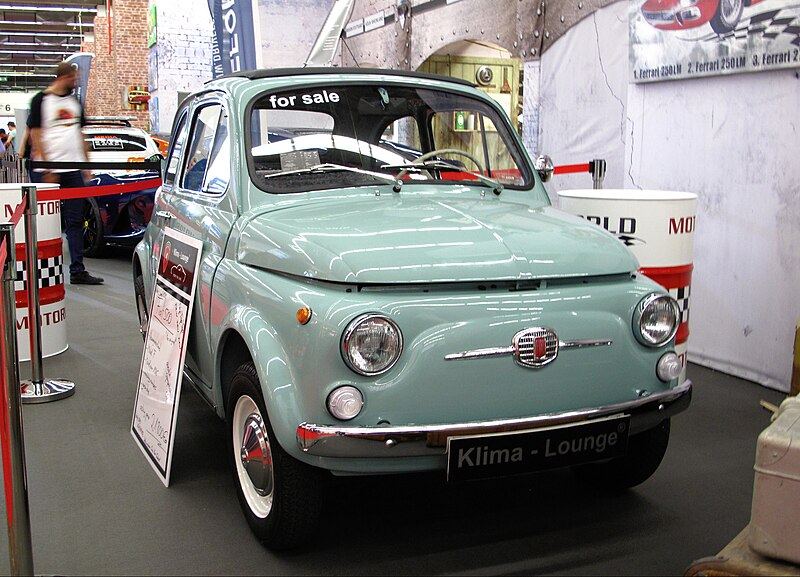
Photo: Rutger van der Maar · CC BY 2.0 What changed. It reinterpreted the Topolino idea in an all-new car, about 3 meters long and around 500 kg, with a folding fabric roof. It was initially registered for two occupants; adding a padded rear seat allowed four-seat registration. Later came the Sport (1958), the Giardiniera wagon (1960), the 500 F (1965), the most popular version, and the 500 L (1968), with more chrome and a nicer interior.
The innovation. A 479 cc air-cooled two-cylinder engine mounted in the rear, chosen by Dante Giacosa, making 13 hp and about 85 km/h. Simple, light and cheap to run: exactly what 1957 Italy needed.
If you buy one usedThe original production run ended in 1975, so these cars are more than 50 years old. Fiat’s heritage account gives 13 HP and 85 km/h for the initial 479 cc version, and 21.5 HP and 105 km/h for the 499.5 cc Sport; identify the actual version and engine rather than apply one figure to every car. Treat it as a collector/city-event car and assess structure, brakes, maintenance and authenticity before setting a value. - Gen. 22012–2019
The return to America, electric version included
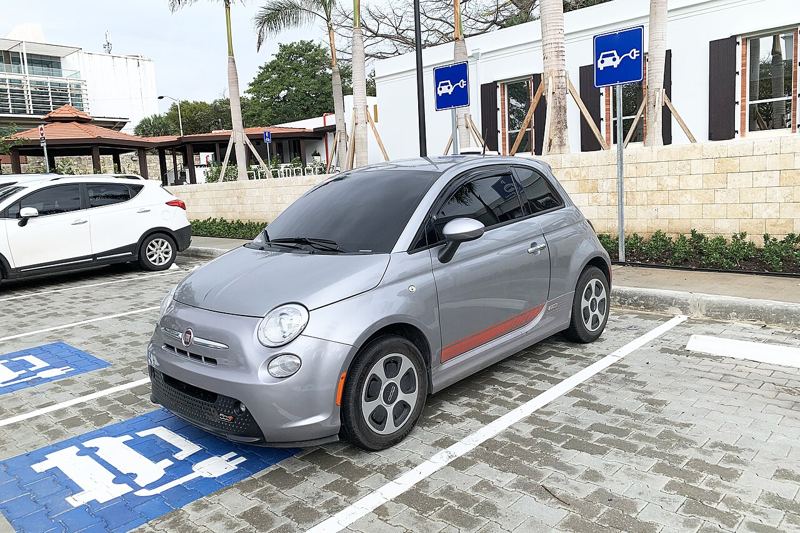
Photo: Mariordo (Mario Roberto Durán Ortiz) · CC BY-SA 4.0 What changed. The modern 500 debuted in Europe in 2007 and reached the U.S. as a 2012 model, built in Toluca, Mexico, from $15,500. It is a four-seat, front-wheel-drive car with seven standard airbags and, exclusive to North America, a six-speed automatic; there was also a five-speed manual, the 500c convertible and the Abarth. The electric 500e arrived for 2013, with a 111 hp motor, a 24 kWh battery and an EPA-rated 87 miles of range.
The innovation. The 1.4-liter engine uses MultiAir technology, invented and patented by Fiat, which controls intake valve opening to gain up to 10 percent in efficiency and power and cut CO2 up to 10 percent versus similar engines without it. It makes 101 hp and 98 lb-ft, and Popular Science gave it a Best of What's New award.
If you buy one usedSelected campaigns are 16V302 for 2012–2016 manuals with clutch-spring failure; 19V817 for 2012–2013 six-speed automatics with detached shift cables/rollaway; 24V474 for 2014–2019 TPMS warning lamps; and 15V291 for 2013–2015 battery-electric 500e EVCU faults that can select Neutral. Remedies differ, so obtain VIN-specific completion records. EPA lists premium gasoline recommended for the 2012 gasoline example and 87 miles range for the original 2013 500e. The old EV rating is not present battery capability: inspect health, charging operation and replacement history. - Gen. 32024–present
100% electric, 100% Italian
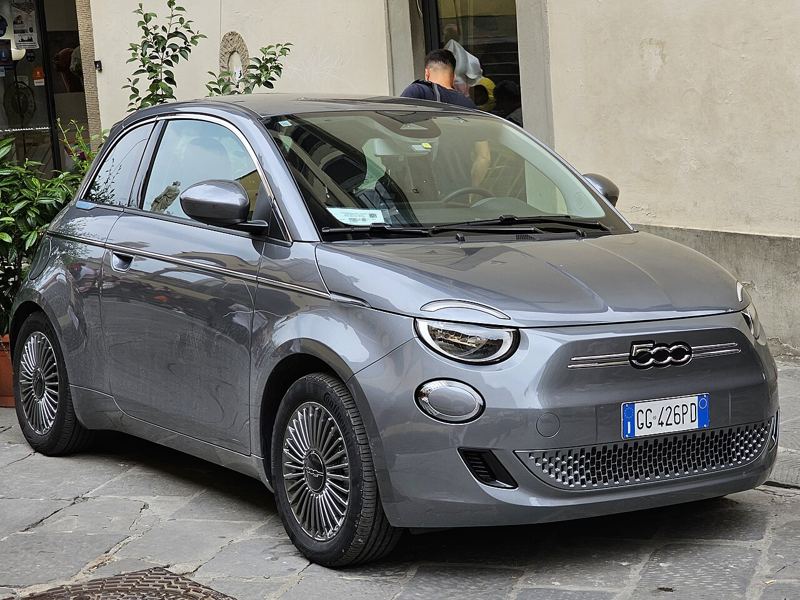
Photo: Damian B Oh · CC BY-SA 4.0 What changed. It is an all-new car on a dedicated electric platform, wider and longer than the gasoline 500. It has a 42 kWh battery, 117 hp and 162 lb-ft, does 0 to 60 mph in 8.5 seconds and is EPA-rated at 149 miles of range. It is built at Mirafiori in Turin, and at about 3,000 pounds Stellantis calls it the lightest passenger EV in its segment.
The innovation. Its pedestrian alert system does not just hum: it sings an original melody called The Sound of 500. Inside, the dashboard insert, round cluster and two-spoke steering wheel pay homage to the 1957 500, next to a 10.25-inch Uconnect 5 screen.
If you buy one usedCheck 24V510 on affected 2024 500e vehicles for buckle-sensor connection/front-airbag operation, and 25V715 on specified 2024–2025 cars for horizontal headlamp-adjustment plugs. EPA rates the 2024 500e at 149 miles. Stellantis specifies up to 85 kW DC charging, up to 31 miles added in five minutes, and an estimated 0–80% in approximately 35 minutes with a compatible 85 kW charger. Actual speed and range depend on conditions; confirm equipment, battery health and completed VIN-specific repairs.
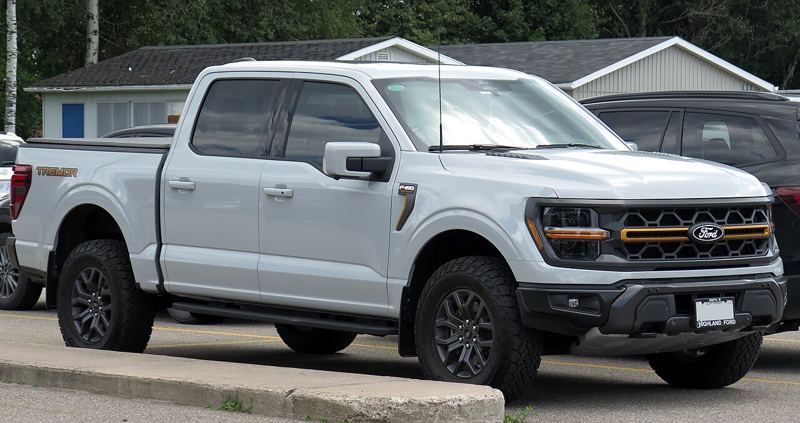 Ford F-Series (F-150)1948–present
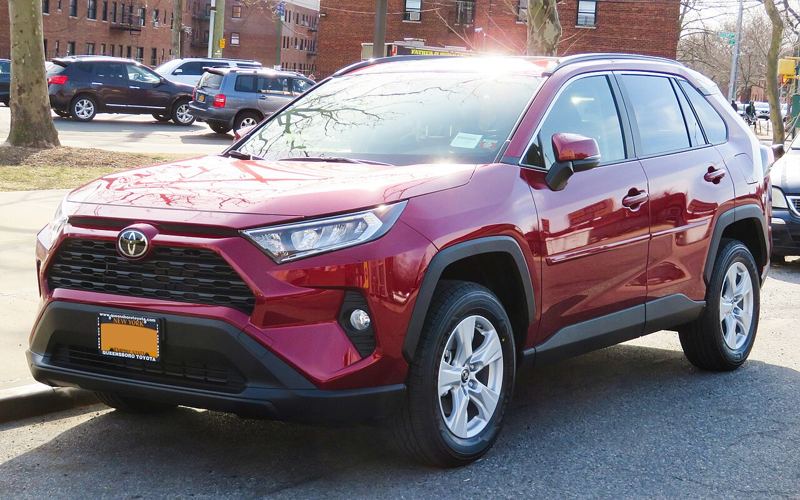 Toyota RAV41994–present (US from 1996)
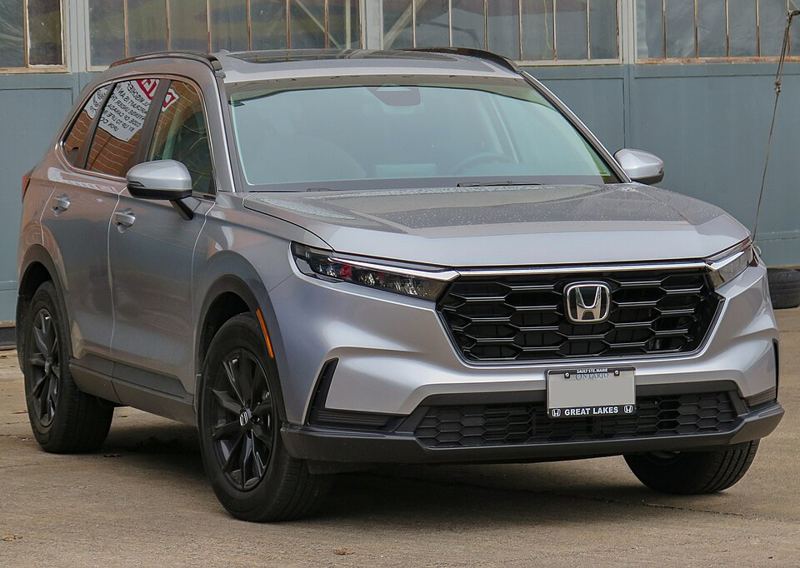 Honda CR-V1995–present
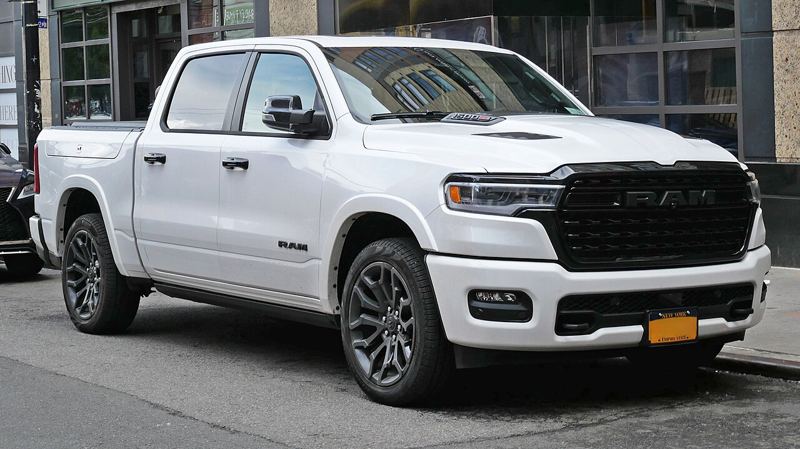 Ram 15001981–present
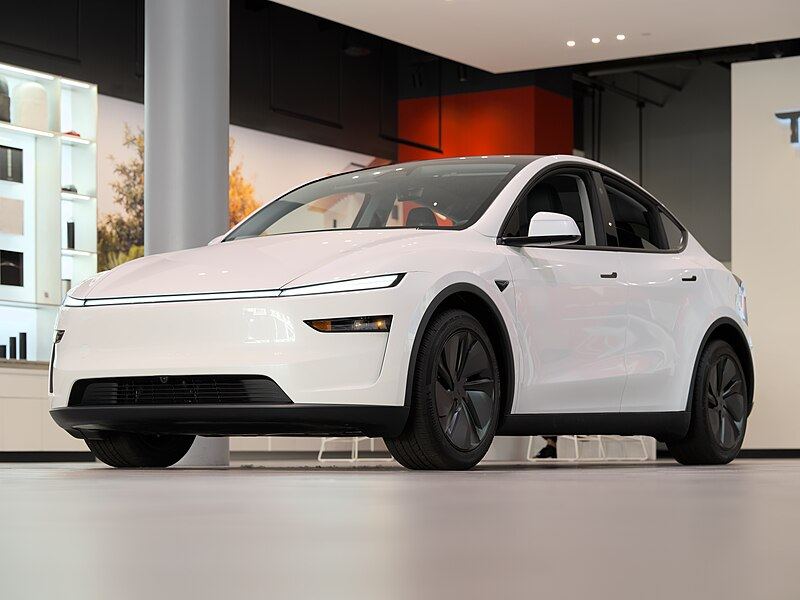 Tesla Model Y2020–present
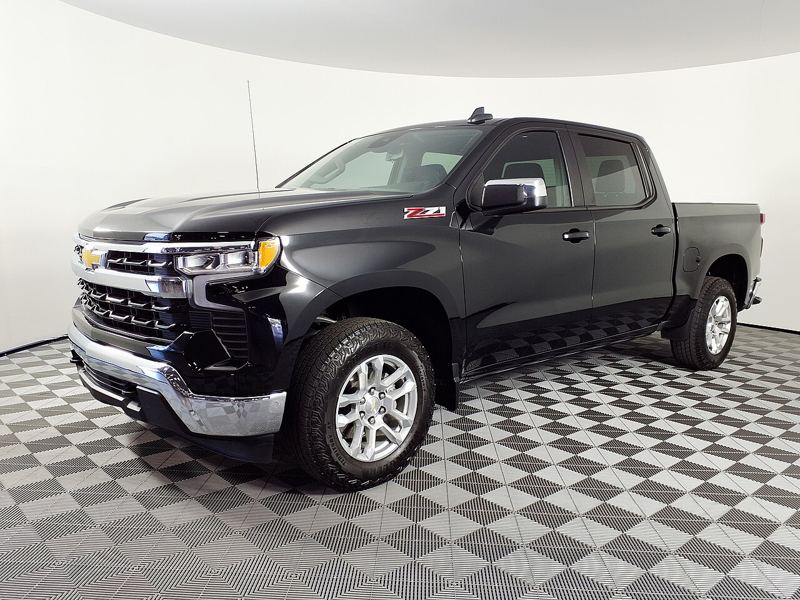 Chevrolet Silverado1999–present
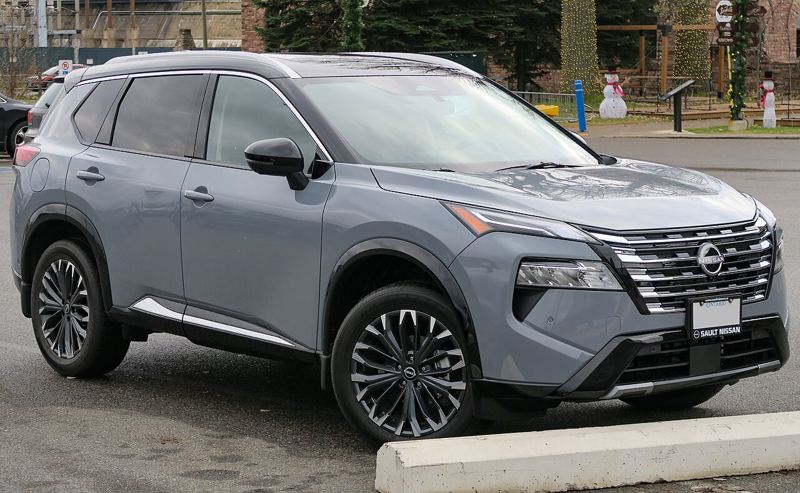 Nissan Rogue2007–present
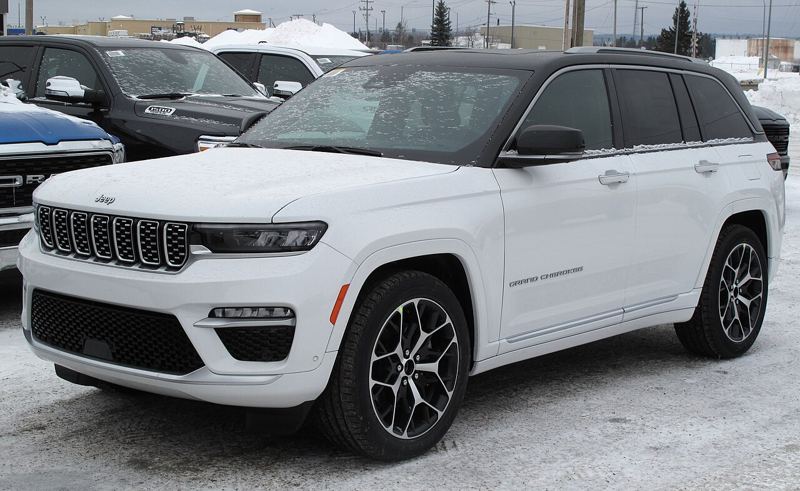 Jeep Grand Cherokee1992–present
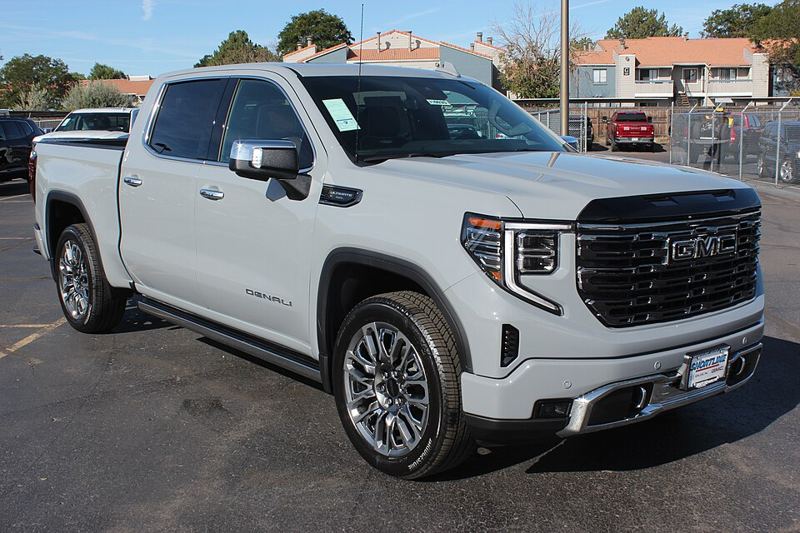 GMC Sierra 15001988–present


