
Lamborghini Urus
Luxury super SUV · 2018–present. This review has not established this model’s 2024 U.S. sales.
How it began
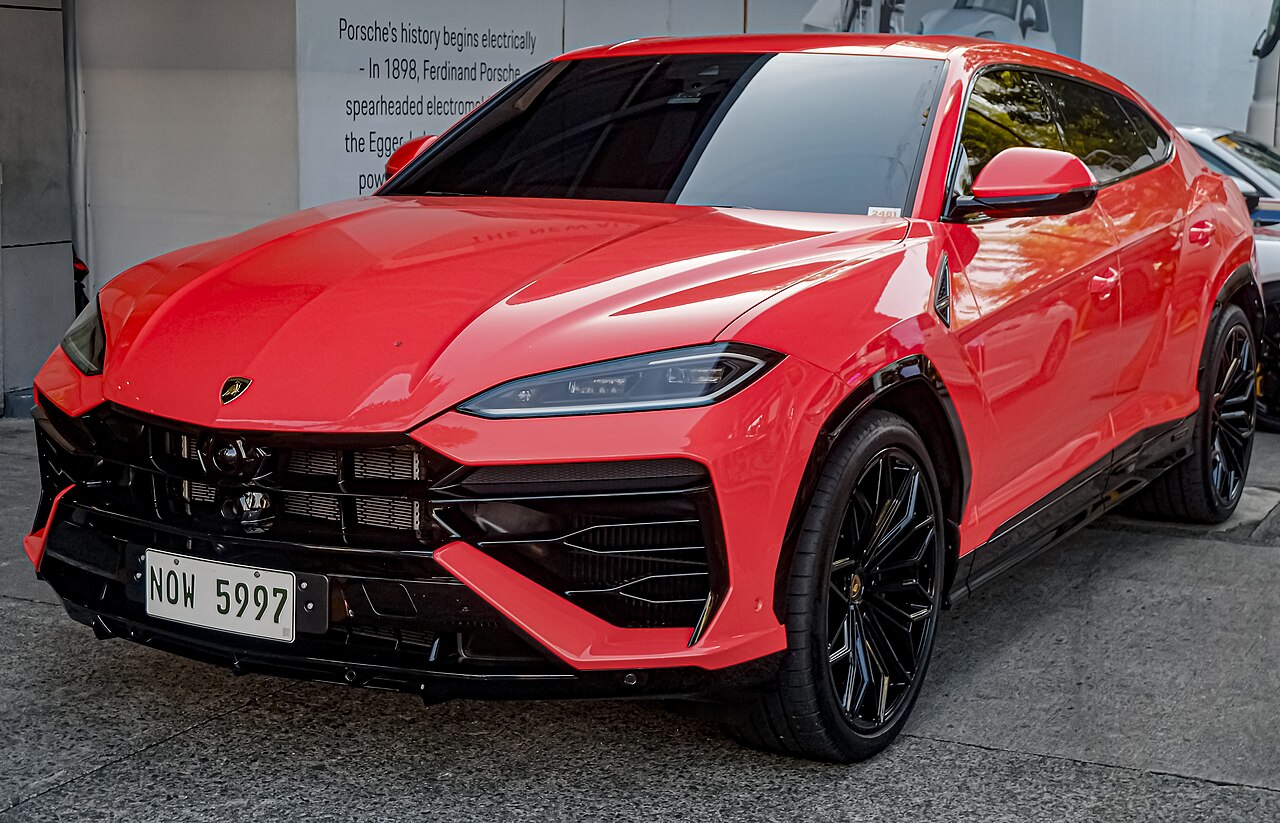
Automobili Lamborghini, based in Sant’Agata Bolognese and owned through Audi within Volkswagen Group, created Urus. Stephan Winkelmann presented the 2012 concept as a possible third model line. Stefano Domenicali was chairman and CEO at the 2017 production unveiling; Winkelmann later returned and presented the 2024 SE. Original design evidence now names Mitja Borkert and the Centro Stile team. In his firsthand interview, Borkert says Walter de Silva and Filippo Perini had already partly designed the original Urus, and he helped complete it before design freeze. The original 2022 manufacturer release credits him as Head of Design; the 2025 Red Dot record credits the in-house SE team under Borkert. A whole-vehicle chief-engineer credit remains unestablished.
Urus design and final assembly are based in Sant’Agata Bolognese, Italy. Lamborghini expanded its factory from 80,000 to 160,000 square meters and installed a dedicated Urus assembly line. Volkswagen and Audi corporate records identify the shared MLB architecture family with Touareg, Cayenne, Audi Q7 and Bentley Bentayga. Each brand gives its vehicle distinct bodywork, design and driving characteristics.
The Urus concept appeared at Beijing in April 2012. The production unveiling was December 4, 2017, and Volkswagen’s annual report records 121 Urus built during 2017. That is distinct from customer deliveries: the original launch planned spring 2018, while the manufacturer’s July 13, 2018 release says the first customer deliveries were to start in July. The U.S. launch version was MY2019 with an announced $200000 base price. An exact first U.S. retail-sale day remains unestablished.
Urus is the Latin name of the aurochs, an extinct wild ox that was the ancestor of domestic cattle. It fits Lamborghini's bullfighting tradition: the Urus is, quite literally, the grandfather of every bull.
Lamborghini lived on two lines of two-door super sports cars and wanted a third line to complement them. The idea was a four-door Lamborghini that a household could use as its primary car, every day. In 2012 the talk was of around 3,000 units a year, which already made it the likely best seller. And it was: in 2019 the Urus reached 4,962 deliveries, more than 60 percent of all the brand's sales.
Generation by generation
- Gen. 12018–2022
First generation, first phase: the super SUV nobody expected
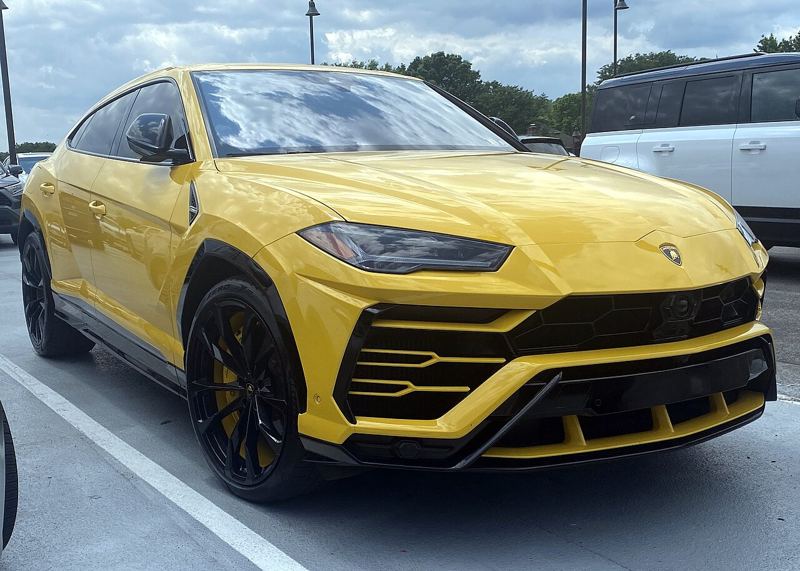
Photo: Cutlass · CC0 What changed. It was Lamborghini's first SUV since the LM002, which was built from 1986 to 1992 with just 301 units. It arrived with a 4.0-liter twin-turbo V8 making 650 CV (641 hp) and 850 Nm (627 lb-ft), an eight-speed automatic and all-wheel drive with active torque vectoring. It went from 0 to 62 mph in 3.6 seconds and reached 189 mph (305 km/h), so Lamborghini billed it as the fastest production SUV. It added rear-wheel steering, active anti-roll bars, adaptive air suspension and the Tamburo drive-mode selector, with Street, Off-Road, Snow, Sand, Sport and Race modes.
The innovation. Urus introduced Lamborghini’s first production-road-car turbocharged engine and twin-turbo V8. The launch release described its standard carbon-ceramic brakes with 440 mm front discs as the largest available. Lamborghini claimed 100–0 km/h, about 62–0 mph, braking in 33.7 meters. These are dated manufacturer equipment/performance statements, not a current world-record claim.
If you buy one usedNHTSA lists for this phase recall 20V713 (2019–2020 Urus, 2,831 units: engine-bay heat could damage the fuel line quick connector and cause a leak; the line and connector are replaced), 21V336 (2021 Urus, 4 units: cracks on the cylinder bore surface; the engine is replaced), 21V603 (2021 Urus: the middle-rear seat belt retractor could switch off child-seat locking too early) and 22V804 (2022 Urus: infotainment damage that could leave the rearview camera without an image). In addition, 25V903 covers 10,554 2019–2024 Urus for a software error that could switch off the rearview camera image; owner letters went out July 9, 2026, and dealers update the software free of charge. Ask for service records and check by VIN at nhtsa.gov. - Gen. 22022–2024
First generation, second phase: Performante and S

Photo: Calreyn88 · CC BY-SA 4.0 What changed. The 2022 range split into Performante and S. Revealed at Pebble Beach on August 19, the Performante raised output to 666 CV, about 657 hp. Steel springs replaced air suspension; the chassis sat 20 mm lower and wheel track grew 16 mm. Total weight fell 47 kg, about 104 lb, with carbon-fiber parts including the hood. The original U.S. price table gave $260676 before tax and delivery. The S was announced September 29 as successor to the original Urus, with 666 CV and 850 Nm, retaining adaptive air suspension for a more versatile ride. Both brought revised bumpers and vented carbon-fiber hoods. These are phase/introductory dates; Chinese homologated output differed.
The innovation. Performante added RALLY mode, recalibrating anti-roll and damping for loose surfaces. Before its 2022 reveal, Lamborghini reported a 10:32.064 run on the Pikes Peak road, ending at 4302 meters or 14115 feet above sea level. That number is summit altitude, not vertical elevation gained. The earlier 2018 Bentayga time was 10:49.902, also listed in the original PPIHC historical record. Lamborghini’s later pre-reveal demonstration must be distinguished from an official race-day result.
If you buy one usedNHTSA lists recall 24V348 (2023–2024 Urus Performante and Urus S, 2,133 units: the hood latch striker could separate and the hood could open or detach while driving; dealers inspect, repair and add a striker support plate if needed). Recall 25V903 also applies (2019–2024 Urus: software that could switch off the rearview camera image). Ask for service records and check by VIN at nhtsa.gov. - Gen. 32025–present
First generation, third phase: Urus SE, the plug-in bull
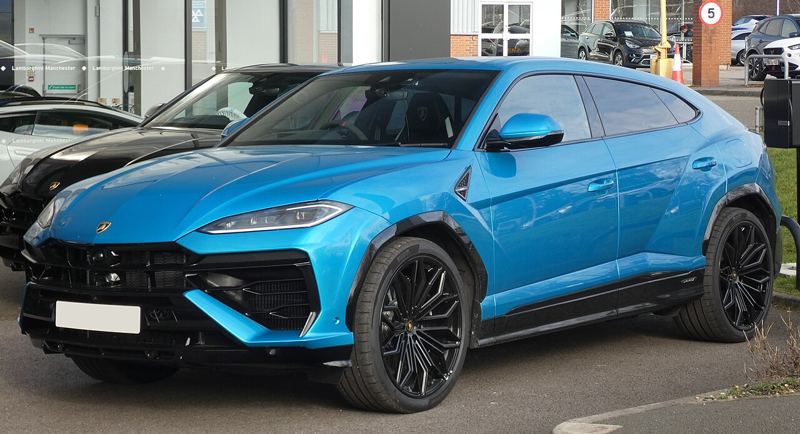
Photo: Harvey Bold · CC0 What changed. SE was unveiled at Volkswagen Group Media Night in Beijing on April 24, 2024, before the public show premiere on April 25. It was set to succeed the S/Performante lineup through the market transition. The re-engineered 4.0 twin-turbo V8 produces 620 CV and 800 Nm; a 141 kW motor and 25.9 kWh battery contribute to 800 CV, about 789 hp, and 950 Nm combined. Lamborghini advertises more than 60 km in EV Drive,0–100 km/h in 3.4 seconds and 312 km/h. Matrix LED headlights, a Revuelto-style floating hood, a Gallardo-inspired hatch and 12.3 inch central screen mark the redesign.
The innovation. It is Lamborghini's first plug-in hybrid SUV, and it introduces a centrally mounted electric torque-vectoring system plus a new electronic limited-slip differential that shares out the power to deliver oversteer on demand. With the new hybrid drive modes it offers eleven settings in total.
If you buy one usedThis is a recent phase. NHTSA lists recall 25V633 (2025 Urus, 14 units: the high-pressure fuel pump fasteners might not be tightened properly, causing a leak; dealers inspect and replace the pump and lines if needed). Since it is a plug-in hybrid, ask for service records that also cover the high-voltage system, and check by VIN at nhtsa.gov.
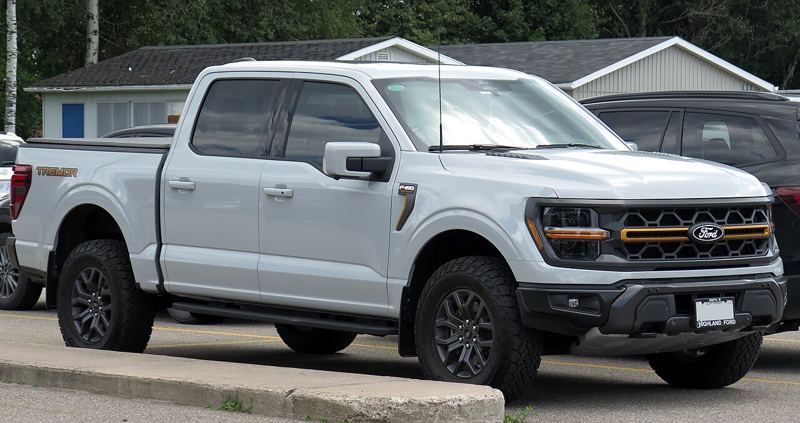 Ford F-Series (F-150)1948–present
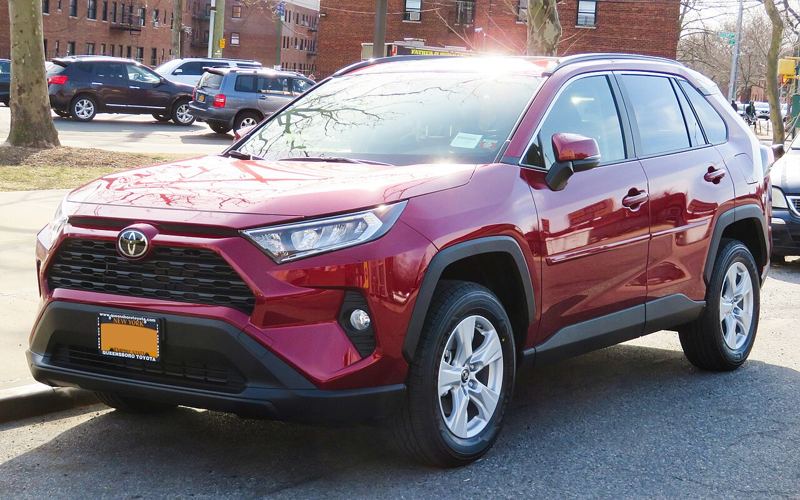 Toyota RAV41994–present (US from 1996)
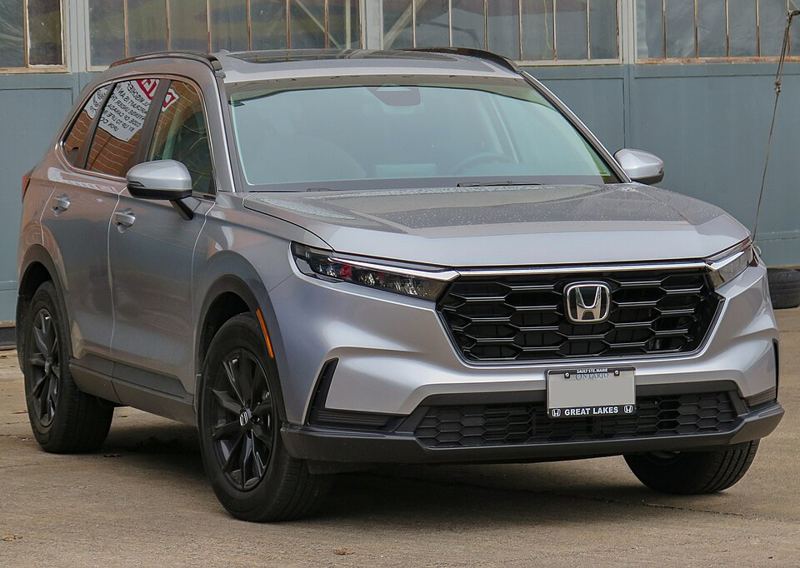 Honda CR-V1995–present
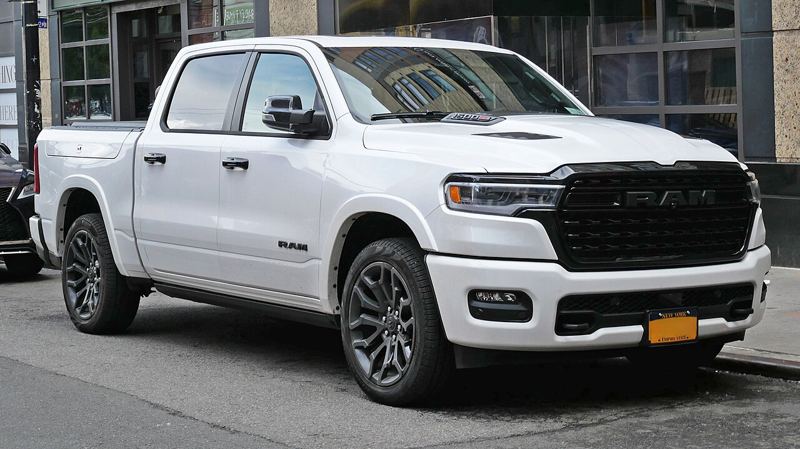 Ram 15001981–present
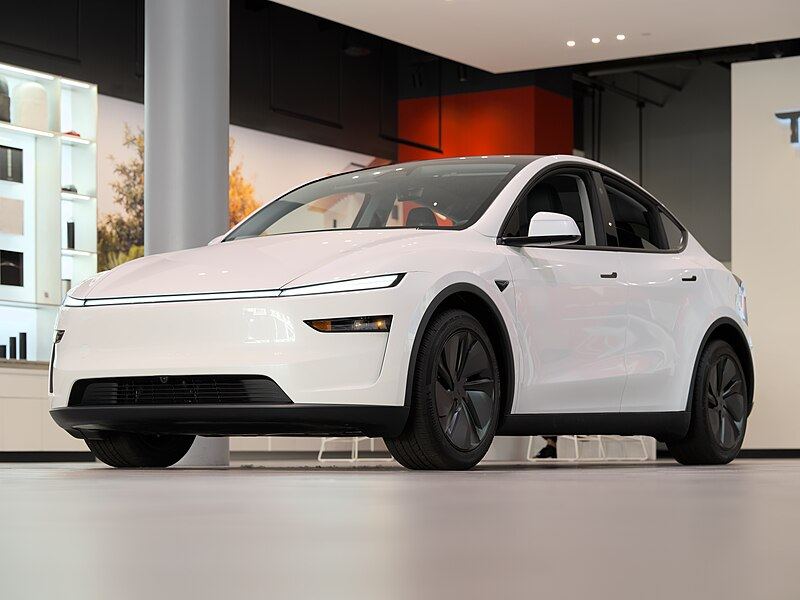 Tesla Model Y2020–present
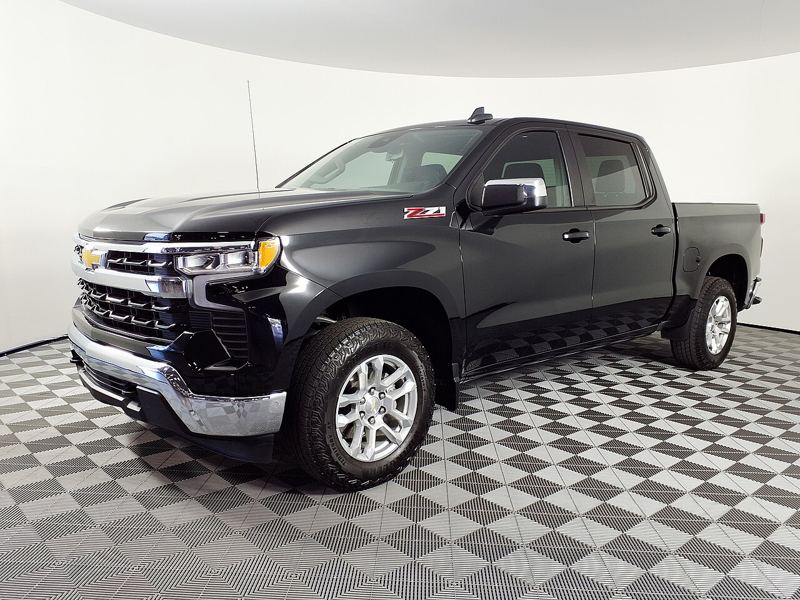 Chevrolet Silverado1999–present
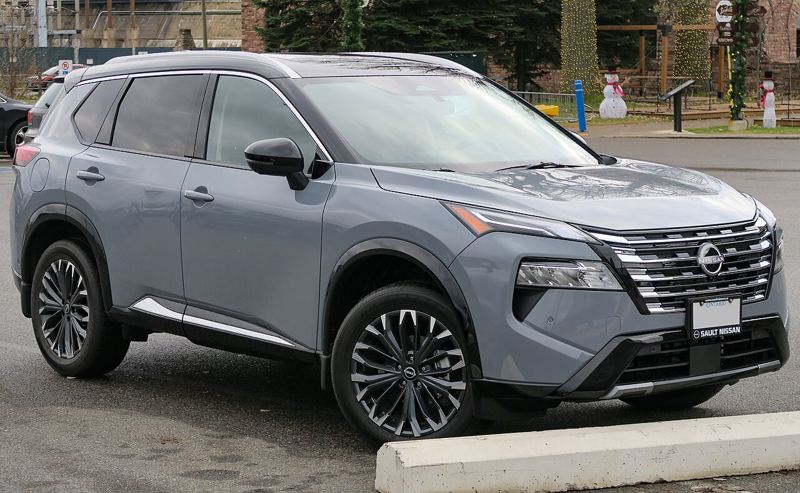 Nissan Rogue2007–present
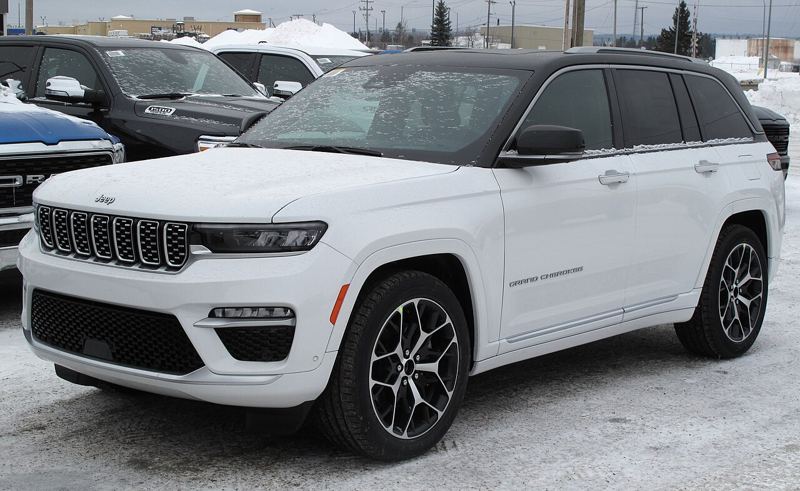 Jeep Grand Cherokee1992–present
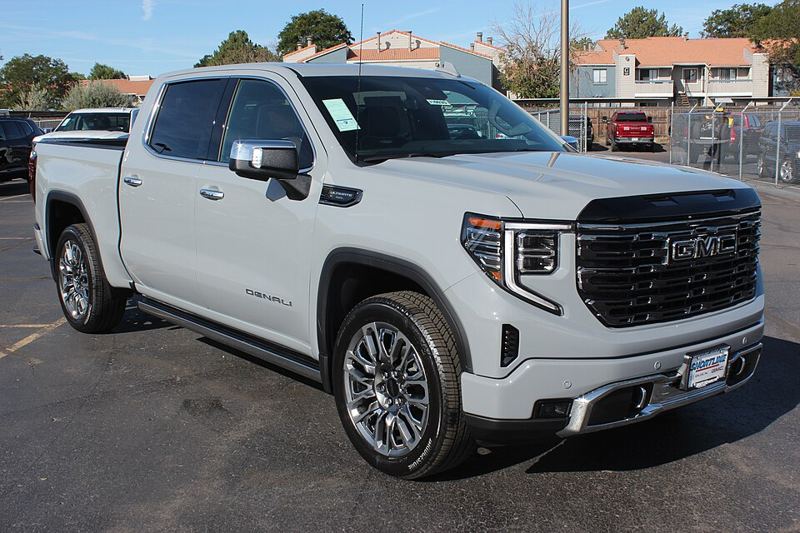 GMC Sierra 15001988–present


