
Lotus Emira
Mid-engine sports car · Introduced in 2021. This review has not established this model’s 2024 U.S. sales.
This history includes the Lotus Elise, Exige and Evora as related models and predecessors, not generations of the Emira. Introduction year refers to the global reveal; US model years and delivery dates may differ.
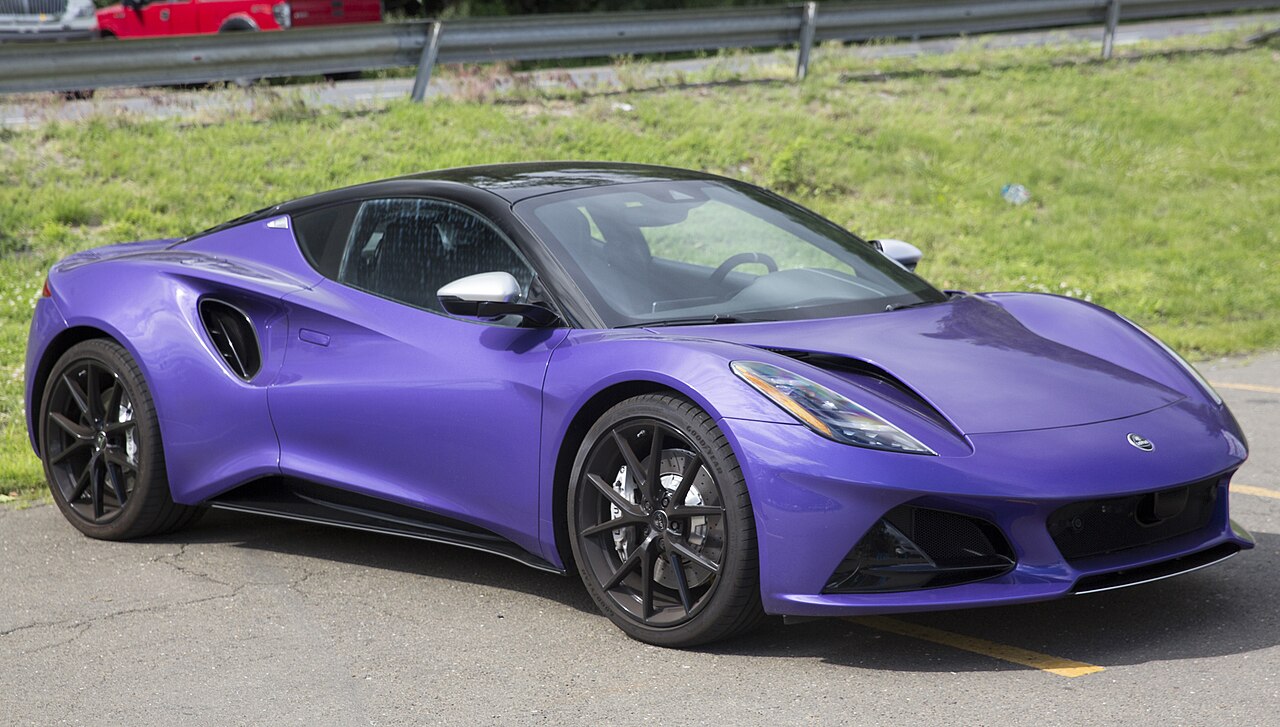
How it began
Lotus was born in 1948 in London, founded by Colin and Hazel Chapman. In 1948 Colin Chapman built his first car, the Mark I, on a 1928 Austin 7. The Emira was developed by Lotus Cars at Hethel under managing director Matt Windle, with Gavan Kershaw as director of vehicle attributes; the design came from Russell Carr's team, the same designer who led the Evora.
Lotus started in North London and later moved to Hethel, in Norfolk, England. That is where the Emira is designed and assembled, on a new production line with a new paint shop, part of more than £100 million invested in its UK operations. The aluminum chassis is made at Lotus Advanced Structures in Norwich. Every Emira that reaches the United States comes from Hethel.
Lotus announced the name on April 27, 2021 and revealed the car at Hethel on July 6, 2021; two days later it made its moving debut at the Goodwood Festival of Speed. Deliveries in Europe and Asia began in 2022. In the United States it had to wait for the California emissions green light (CARB), which came on February 29, 2024; deliveries to U.S. customers began that year.
According to Lotus, Emira (pronounced "eh-MEER-ah") is a word found in many ancient languages that often means "commander" or "leader." It follows the brand's tradition of E names, like Elan, Esprit, Elise and Evora. Before it had a name, the project was the Type 131.
Lotus’s official history describes Chapman’s philosophy as “simplify, then add lightness.” Lotus puts it its own way: adding power makes you faster on the straights, subtracting weight makes you faster everywhere. The 1996 Elise, the Exige and the Evora lived by that idea on one family of aluminum chassis, but in 2021 Lotus retired them to free up the Hethel factory. The Emira arrived to replace all three with a single, more comfortable and better-equipped car, and Lotus planned it as its last gasoline sports car before going electric.
Related models and history
- Chapter 11996–2021 · Elise Series 1–3
Elise: lightness returns to Lotus
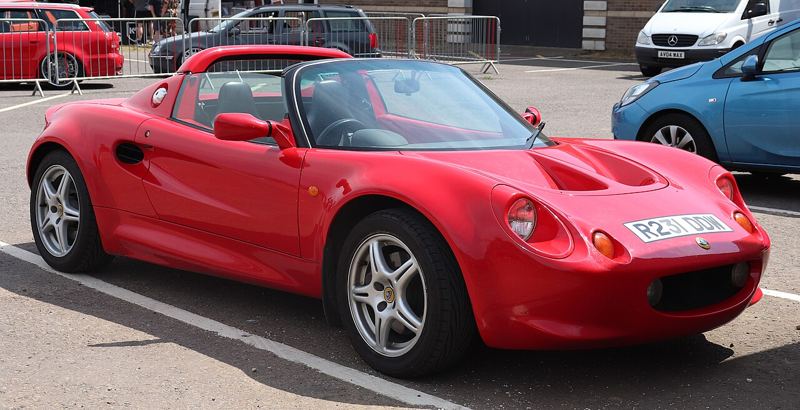
Photo: Vauxford · CC BY-SA 4.0 What changed. It was shown at the Frankfurt Motor Show on September 12, 1995, and the body was designed by a team headed by Julian Thomson. The first Elise weighed 690 to 770 kg, about 1,600 pounds. The second generation was unveiled in October 2000, received Toyota power in 2004, and a 2011-model-year update was announced in 2010. A total of 35,124 Elises were built. It reached the United States as a 2005 model, with an approximately 190 hp, 1.8-liter Toyota 2ZZ-GE engine in place of the European Rover K-Series, and was sold here through 2011.
The innovation. Its chassis of extruded aluminum joined with adhesive (bonded) instead of welding. That same architecture underpinned the Exige, the Europa, the 2-Eleven, the Opel Speedster and even the first Tesla Roadster: 56,618 vehicles in all.
If you buy one usedThe federalized Elise was offered in the U.S. for the2005–2011 model years. NHTSA lists recalls for an oil cooler line that could come loose (11V510 for 2005–2007, 13V041 for 2007–2008 and 14V280 for 2008–2011), a gear lever that could break on 2005 cars (05V571), under-torqued rear hub bolts in a combined campaign of87 model-year2009 Elise and Exige cars (09V179) and an incompatible turn-signal module on 2011 cars (11V541). Grassroots Motorsports warns that the bonded chassis is basically not repairable: check underneath for curb damage and bent suspension points. The specialist interviewed by Grassroots Motorsports cautioned about a high proportion of salvage or rebuilt titles; check the actual history and ask why. Ask for proof the recall work was done. - Chapter 22000–2021 · Exige Series 1–3
Exige: the Elise with a roof and a racing soul
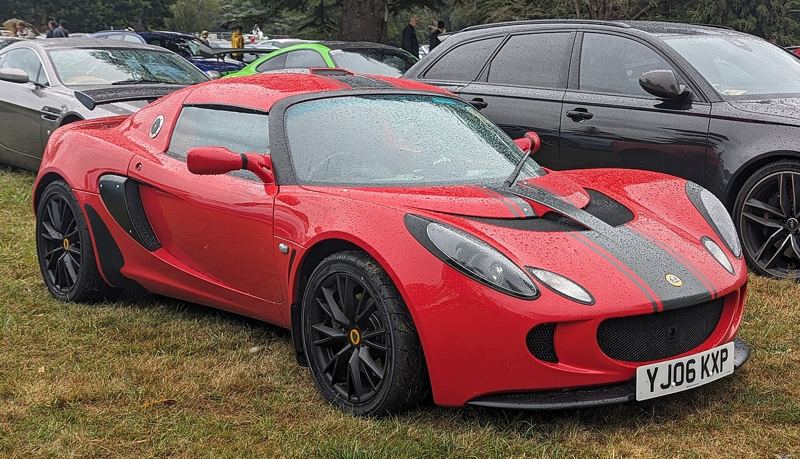
Photo: Calreyn88 · CC0 What changed. It was born from the Lotus Sport Elise race car and unveiled in 2000 at Brands Hatch, before the first round of the Autobytel Lotus Championship. Its panels were designed to fit the Elise chassis. The first series (2000–2002) had 177 bhp and just 601 units; the second (2004–2010) 189 to 245 bhp; the third (2011–2021) a 3,456 cc supercharged V6 with 345 to 430 bhp. In total 10,497 were built. In the United States it was sold from 2006 to 2011, including the 220 hp supercharged Exige S (2007) and the 257 hp S260 (2009).
The innovation. The third series adopted the supercharged 3.5-liter V6 shared with the Evora, in an Exige longer and wider than its predecessor.
If you buy one usedIt shares the Elise's oil cooler line recalls (11V510, 13V041 and 14V280, depending on year) and the 2009 rear hub bolt recall (09V179). NHTSA records for the Exige run through the 2011 model year. Check for evidence of track use, chassis damage, oil condition/level and title history. - Chapter 32009–2021 · Type 122
Evora: the V6 Lotus 2+2
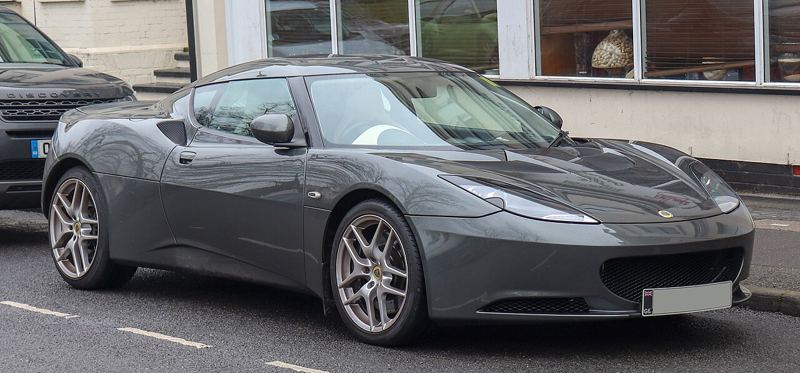
Photo: Vauxford · CC BY-SA 4.0 What changed. It launched at the 2008 British International Motor Show and went on sale in 2009, with design led by Russell Carr. It was a 2+2 sports car with the Toyota-sourced 3.5-liter V6; the supercharged Evora S followed in 2010. The U.S. Evora GT exceeded 3,000 pounds: its lightest quoted launch specification was 3,104 pounds. The final U.S. variant, the Evora GT introduced for the 2020 model year, had 416 hp, ran 0 to 60 mph in 3.8 seconds and started at $96,950. 6,117 were built.
The innovation. A bonded aluminum chassis in three modules (a central tub plus front and rear sections) with a steel rear subframe for the engine and gearbox. It uses 6000-series alloy extrusions bonded with epoxy and reaches 27,000 Nm per degree of torsional rigidity.
If you buy one usedNHTSA lists, on the 2011 supercharged car, an oil feed pipe that could rupture (12V477) and an oil cooler hose that could chafe on manuals (13V314), plus the 14V280 oil cooler hose campaign. On the 2013, cars missing the airbag exemption label (13V216); on the 2018, a steering column that might not collapse in a frontal crash (18V781); and on 2017–2018, a passenger-footwell toe board lacking stiffness, allowing an unbelted occupant’s knee to contact rigid structure in a crash (19V263). Confirm by VIN that all are done. - Chapter 42022–present · Type 131
Emira: one car to replace three
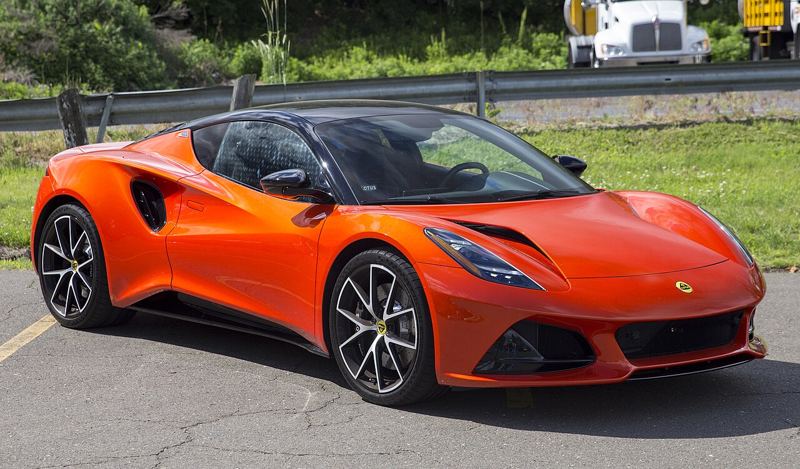
Photo: Mr.choppers · CC BY-SA 4.0 What changed. It replaces the Elise, Exige and Evora on a new architecture of bonded, extruded aluminum, known internally as Elemental. At the 2021 launch Lotus announced a target weight of 1,405 kg (3,097 pounds) for the lightest version. It brings a 12.3-inch digital cluster, a 10.25-inch touchscreen with Apple CarPlay and Android Auto, optional driver assists and more storage space than earlier Lotus sports cars. Engines: a Toyota-sourced 3.5-liter supercharged V6 with 400 hp and a manual or automatic, or a Mercedes-AMG 2.0 turbo four with 360 hp and an 8-speed dual-clutch.
The innovation. Lightness, modern style: Lotus added about 132 pounds of equipment, safety gear and bigger wheels, but saved about 110 through engineering, such as single panels in place of layered ones. It also keeps hydraulic power steering, which is unusual today.
If you buy one usedExact NHTSA Lotus/Emira queries for2023–2026 saved on November3,2026 returned zero records; check the VIN because a model-name query does not cover every possible variant. Australia published REC-005857 for102 Emira2022–2023s with A-pillar trims that could detach during curtain-airbag deployment, REC-005856 for77 vehicles from2022–2023 whose wipers could run at half speed, and REC-005855 for26 vehicles from2022 with incorrect seatbelt locking. These are Australian-market campaigns. MY2026 updates revised cooling and DCT calibration, while the V6SE received revised damper calibration. Confirm applicability and repair by VIN.
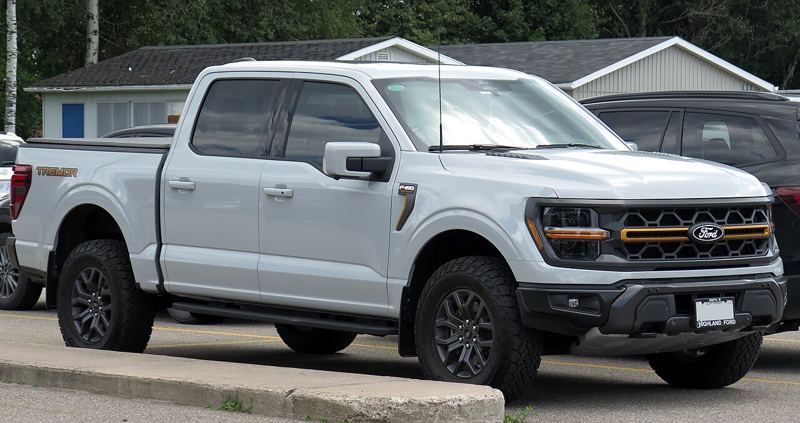 Ford F-Series (F-150)1948–present
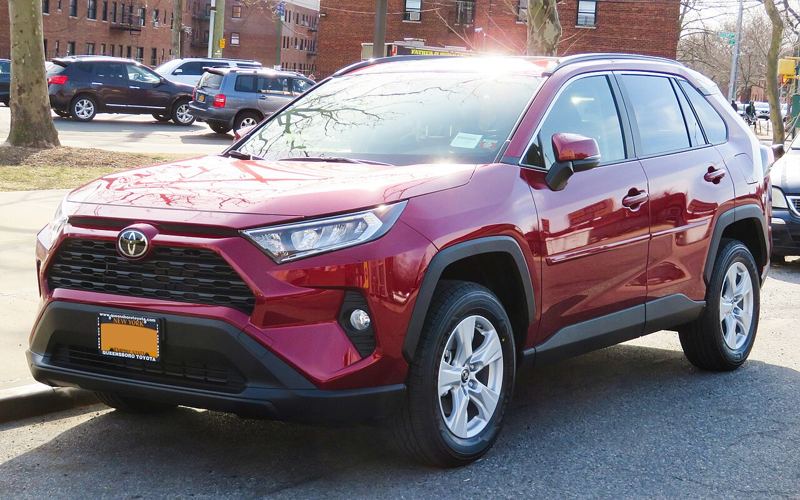 Toyota RAV41994–present (US from 1996)
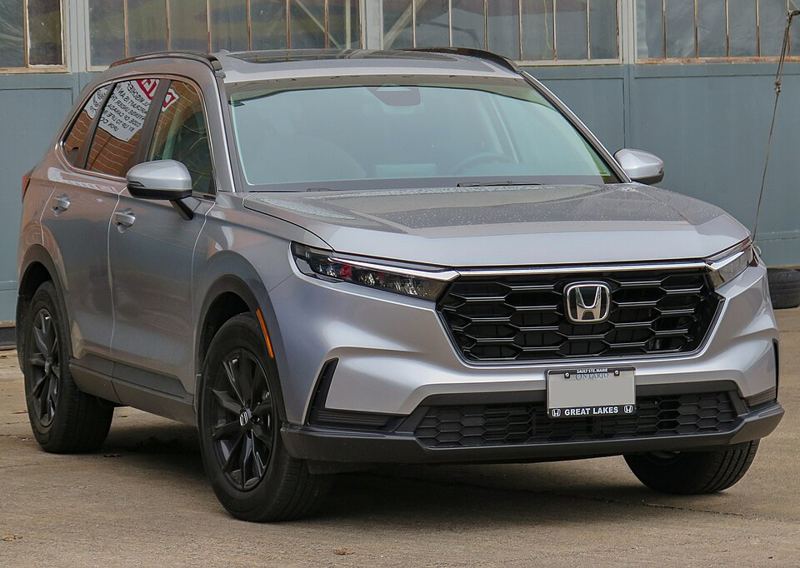 Honda CR-V1995–present
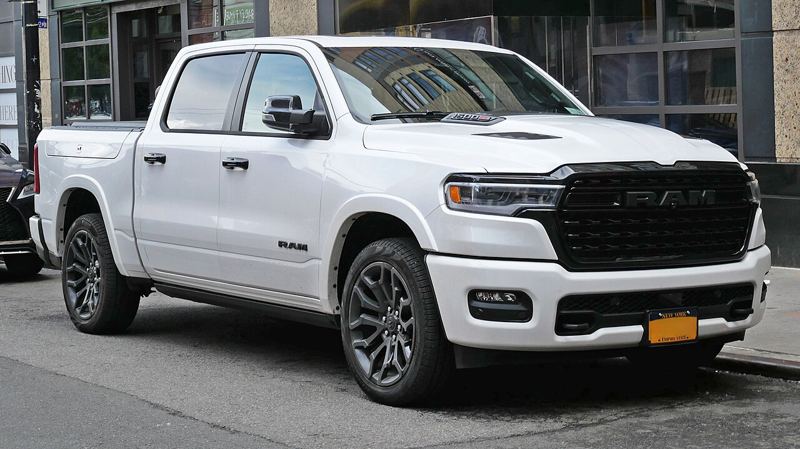 Ram 15001981–present
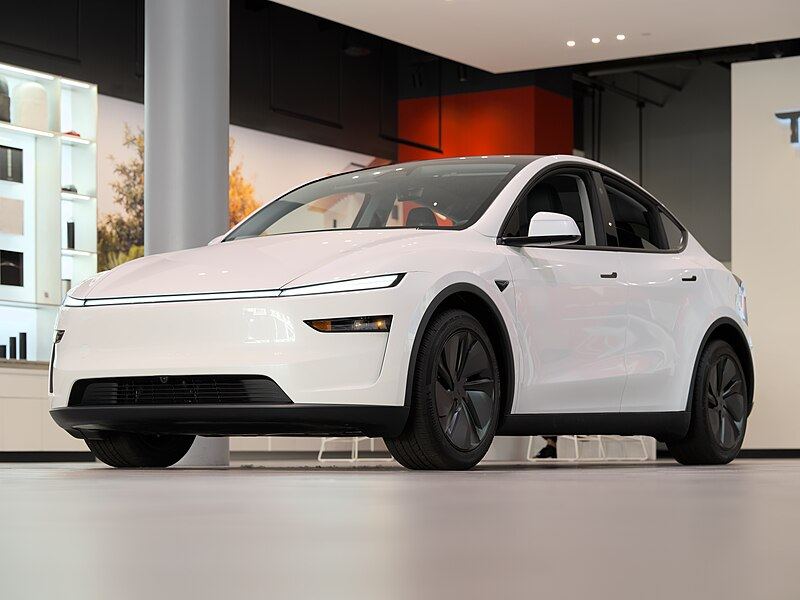 Tesla Model Y2020–present
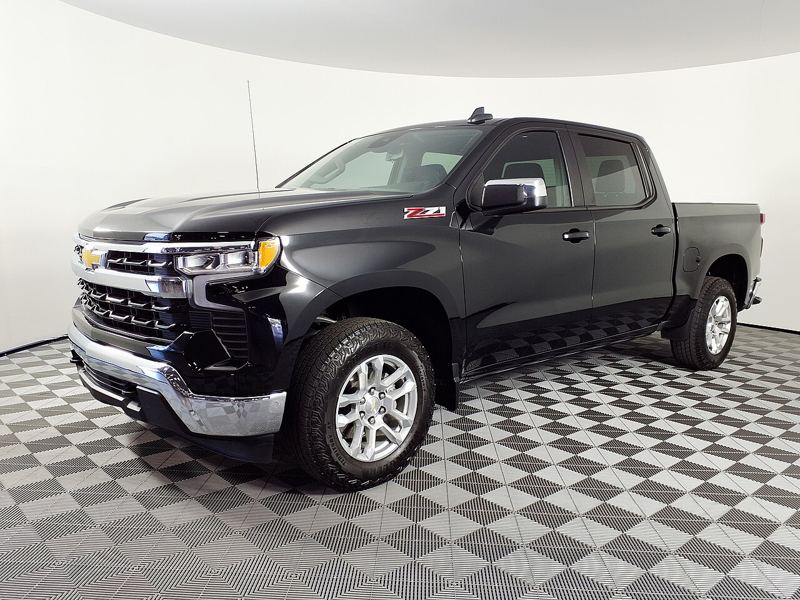 Chevrolet Silverado1999–present
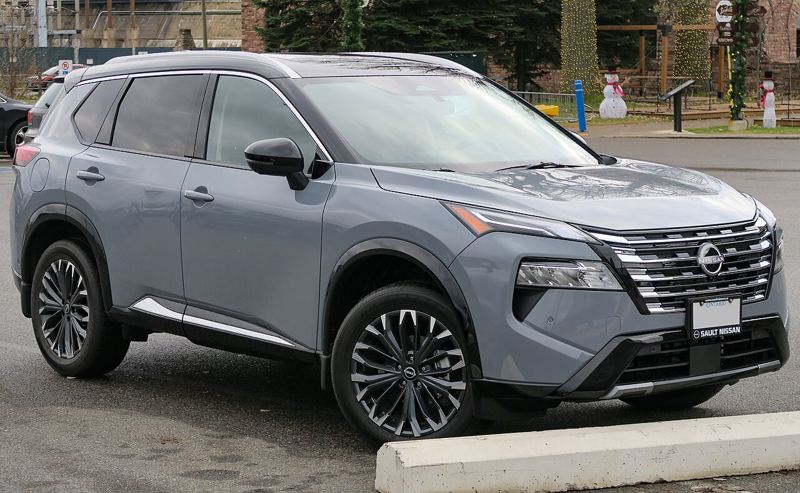 Nissan Rogue2007–present
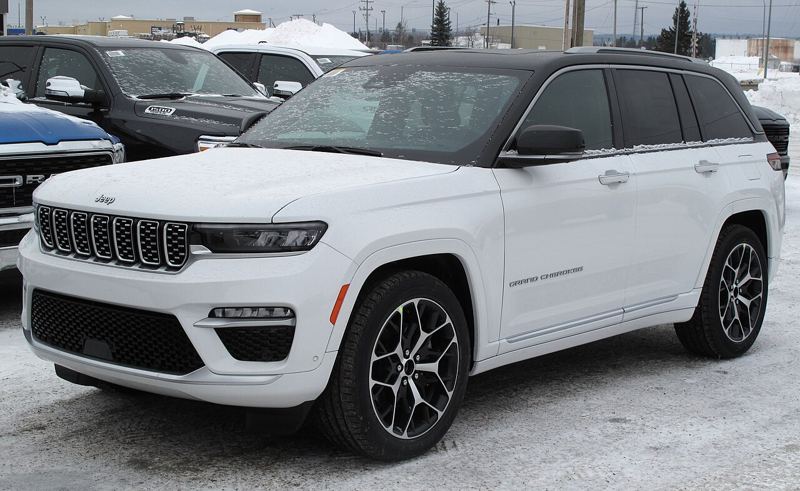 Jeep Grand Cherokee1992–present
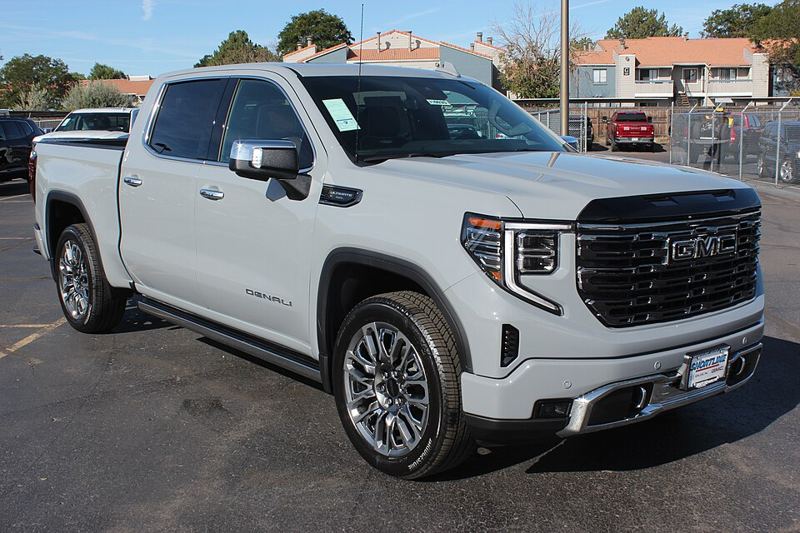 GMC Sierra 15001988–present


