
Polestar 2
Premium compact electric fastback · 2020–present. This review has not established this model’s 2024 U.S. sales.
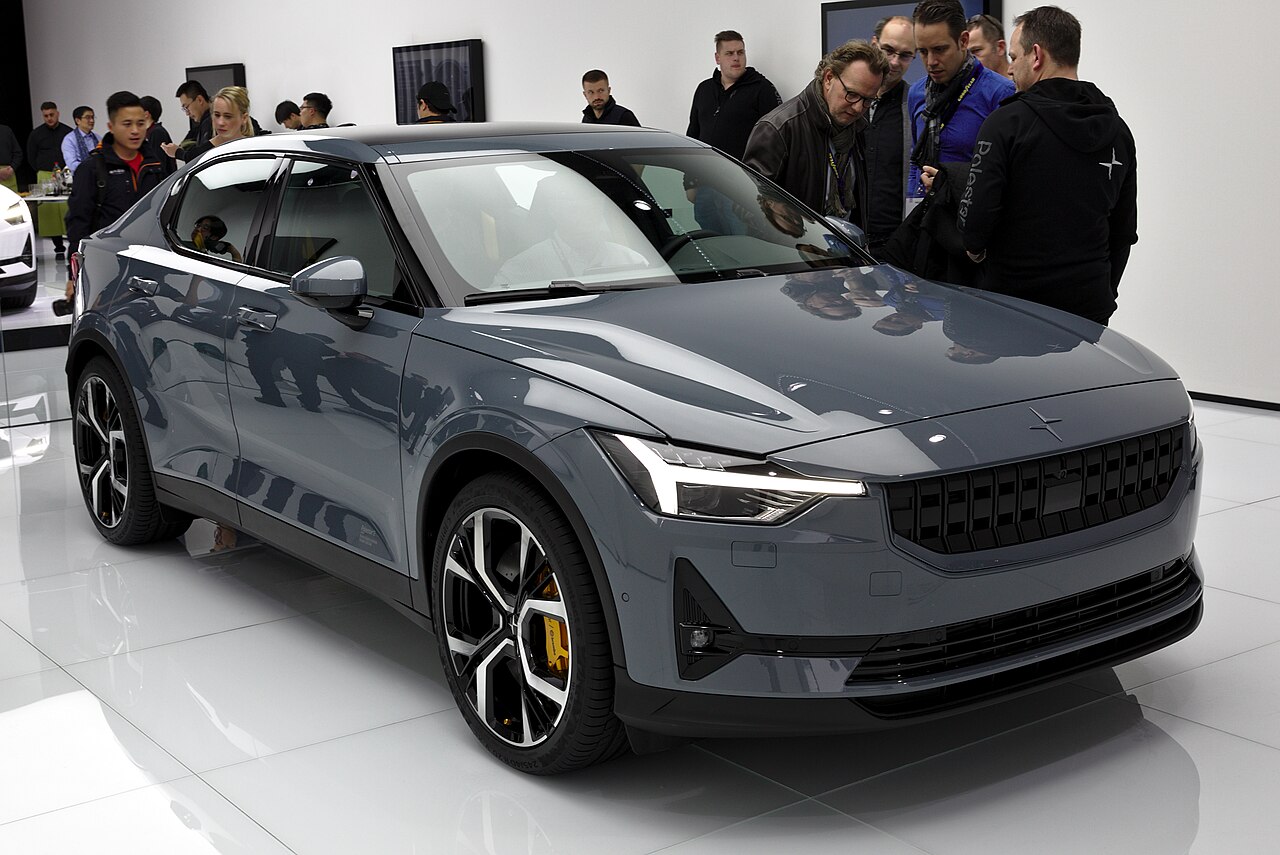
How it began
Polestar grew from Flash Engineering, founded by Jan “Flash” Nilsson in 1996 with Volvo support. Christian Dahl, a former chief mechanic, became owner in 2004; the Polestar brand was introduced in 2005, and the company became Volvo’s official Performance Partner in 2009. Volvo bought Polestar Performance and the brand on July 14, 2015, while Dahl retained the racing team. On June 21, 2017 Volvo announced a standalone electrified performance brand led by its former design chief Thomas Ingenlath. Maximilian Missoni was Polestar head of design at the 2’s launch. The brand is linked to the Geely group, which also controls Volvo Cars.
Polestar is headquartered in Gothenburg, Sweden. Polestar 2 production began in March 2020 at Luqiao, Zhejiang, China, in a plant then owned by Geely and operated by Volvo Cars alongside other CMA-based models. The factory transferred to Volvo Cars in December 2021 and was renamed Taizhou without interrupting Polestar 2 production. It was also the production source for U.S.-bound cars.
It was revealed online on February 27, 2019. Series production began in Luqiao in March 2020, in the middle of the pandemic. On April 23, 2020 Polestar announced the U.S. price, $59,900, and the first deliveries to U.S. customers were scheduled for summer 2020, as a 2021 model.
In Swedish, the North Star is called Polstjärnan. Polestar explains that this star has guided travelers in the Northern Hemisphere throughout history, and that the name casts the brand as a guiding star for the Volvo group. The idea of "pole position," the first starting spot in a race, remains at the core of the brand. The 2 marks it as Polestar's second model, after the Polestar 1.
Polestar 1 was introduced as a low-volume 600-hp performance hybrid coupe. Polestar 2 was the brand’s first fully electric car and first higher-volume product, aimed at the Tesla Model 3 market. It was also the first car on the CMA modular platform with a fully electric drivetrain.
Generation by generation
- Gen. 12021–2023 · CMA
Polestar's first EV, with Google inside
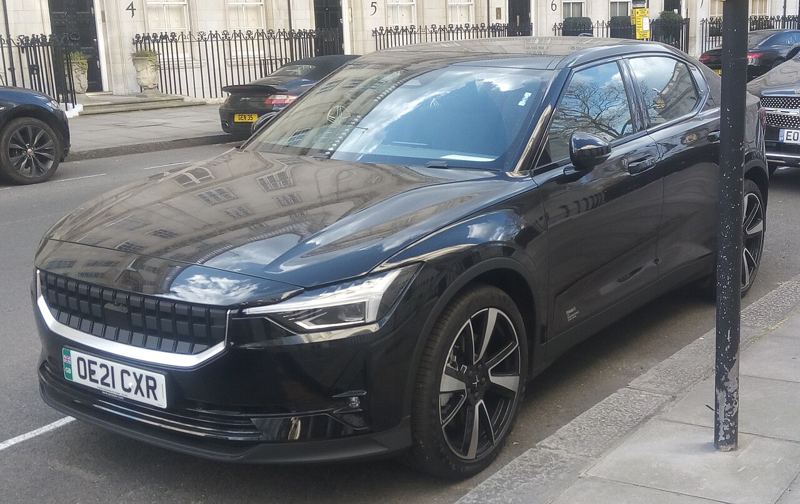
Photo: Calreyn88 · CC BY-SA 4.0 What changed. Compared with the hybrid Polestar 1, Polestar 2 was fully electric and designed for higher volume. Its U.S. MY2021 launch offered twin motors, AWD, 408 hp, 487 lb-ft, a 78-kWh battery and up to 150-kW DC charging from $59,900. For MY2022, a front-wheel-drive single-motor version rated at 231 hp was announced from $45,900. Its early range estimate was 265 miles, but the final EPA rating was 270. Equipment was separated into Pilot and Plus packs, the latter adding a heat pump; Performance remained available for the dual-motor car.
The innovation. It was the world's first car with a built-in infotainment system powered by Android, with Google Maps, Google Assistant and the Google Play Store working without a phone connected, plus over-the-air software updates.
If you buy one usedNHTSA lists these recalls: 21V110 (2021–2022), the battery energy control module could reset and disconnect the high-voltage system, causing loss of drive power; 23V476 (2023), the front left lower ball joint could be incorrectly installed; 25V409 (2021), possible loss of brake function when coasting downhill in One Pedal Drive; and three campaigns for a rearview camera image that may not display (24V477 for certain 2021–2024 cars; 25V280 and 25V615 for certain 2021–2025 cars). Most are fixed with a software update. Ask the seller or Polestar for proof they were done. For an affected unrepaired vehicle, do not use One Pedal Drive until the 25V409 remedy. The 25V615 camera remedy is required even after 24V477 or 25V280 work. - Gen. 22024–2025 · CMA
MY2024 facelift: the same generation gains rear-wheel drive
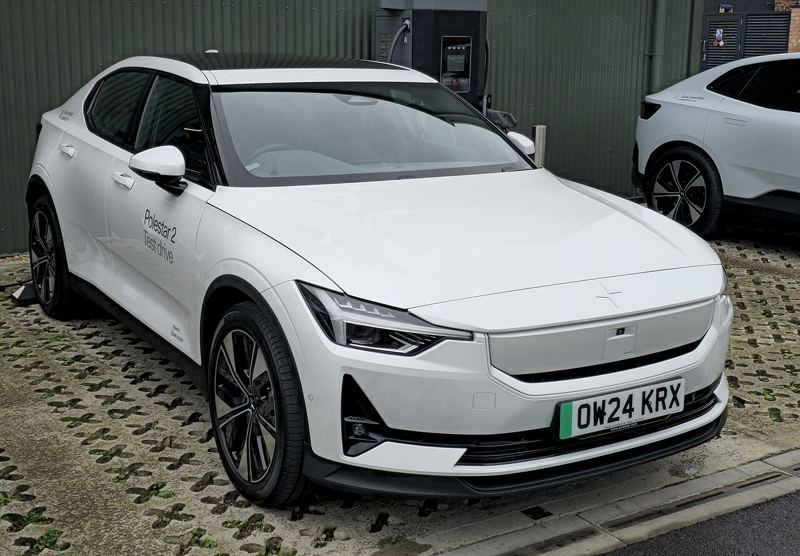
Photo: Calreyn88 · CC BY-SA 4.0 What changed. Announced in January 2023, the 2024 model switched the single-motor version from front-wheel drive to rear-wheel drive, with 299 hp and 361 lb-ft, an 82 kWh battery and fast charging up to 205 kW. The dual-motor version rose to 421 hp and 546 lb-ft, with a rear bias and a front motor that can disconnect to save energy. The nose swapped the grille for the SmartZone, and in the U.S. it started at $51,300 including destination. For 2025 the U.S. got a single version: dual motor with the Performance Pack and 469 hp, from $66,200.
The innovation. A silicon carbide inverter mounted directly on the rear motor, which cuts wiring and connectors and improves efficiency. The single-motor version reaches 320 miles of EPA range, up from 270 for the 2023 model.
If you buy one usedNHTSA lists for the 2024 model recall 24V939, for improperly crimped clamps on the driver-side inner far-side airbag (a dealer replaces it), and 25V409, for possible loss of brake function when coasting downhill in One Pedal Drive (OTA update). The 2024 and 2025 models are also covered by the rearview camera campaigns (24V477 for 2024; 25V280 and 25V615 for 2024–2025). Under the current connected-vehicle rule, Polestar faces a US new-car sales prohibition from model year 2027; the rule includes authorization mechanisms. In the original October 8, 2026 CEO interview, the company planned to maintain its service network and used-car business. These are dated regulatory and business statements. For an affected unrepaired vehicle, do not use One Pedal Drive until the 25V409 remedy. The 25V615 camera remedy is required even after 24V477 or 25V280 work.
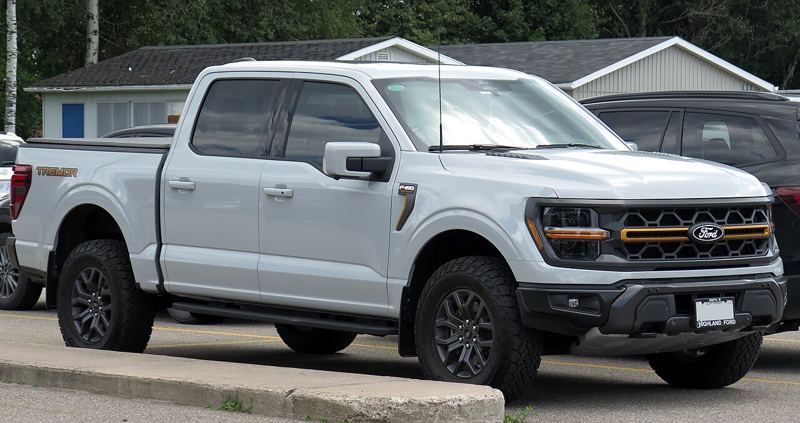 Ford F-Series (F-150)1948–present
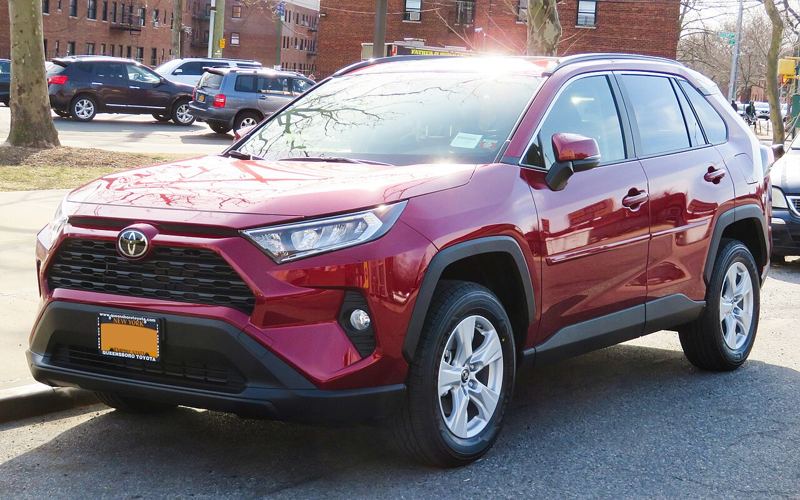 Toyota RAV41994–present (US from 1996)
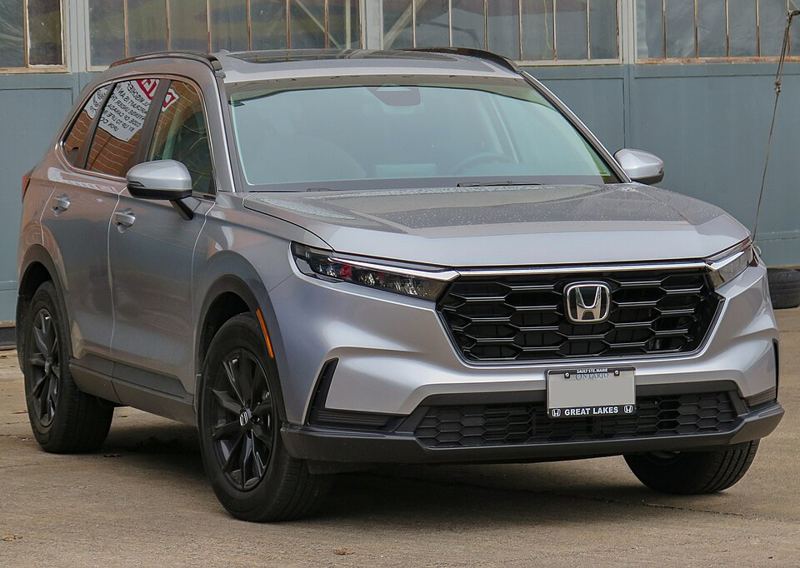 Honda CR-V1995–present
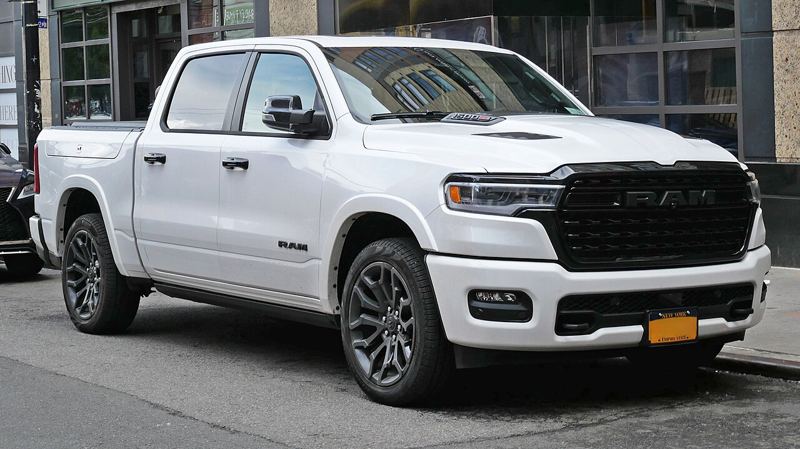 Ram 15001981–present
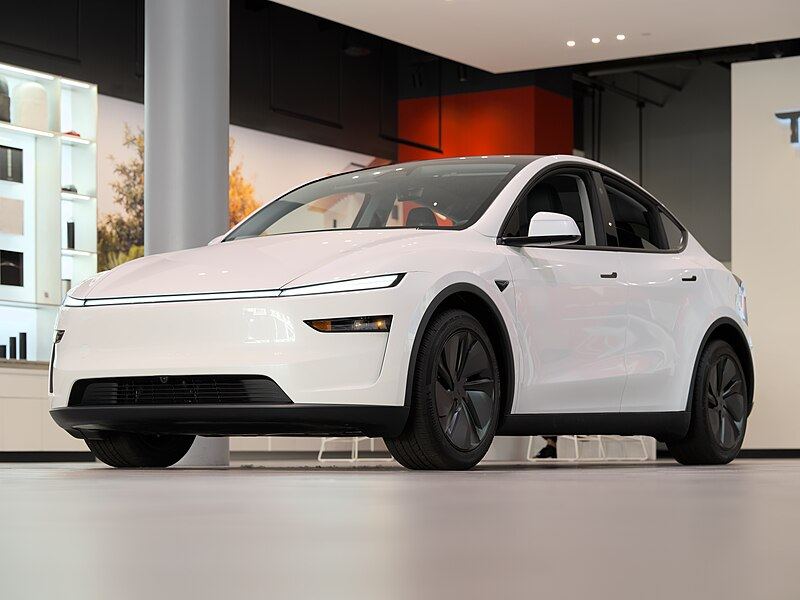 Tesla Model Y2020–present
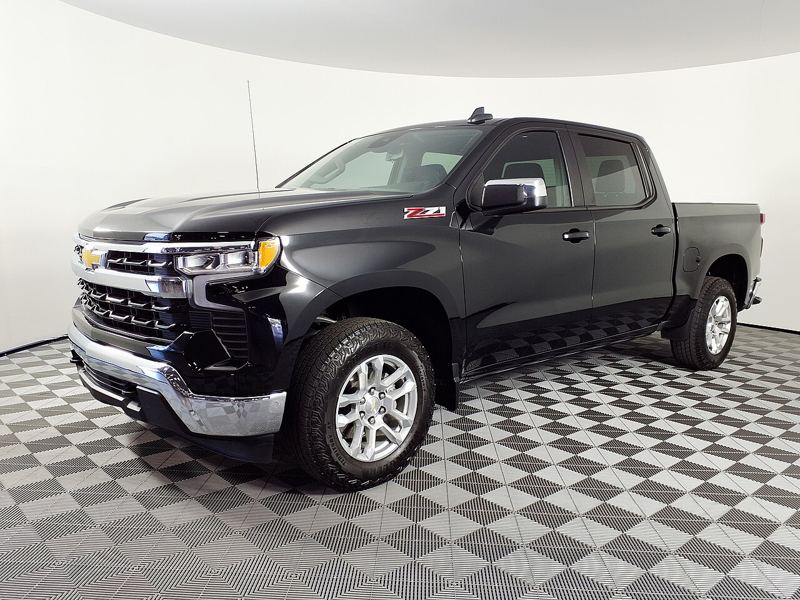 Chevrolet Silverado1999–present
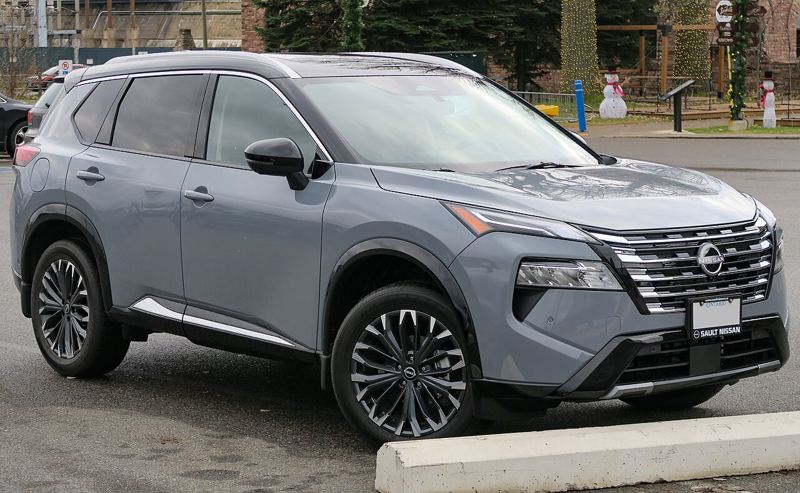 Nissan Rogue2007–present
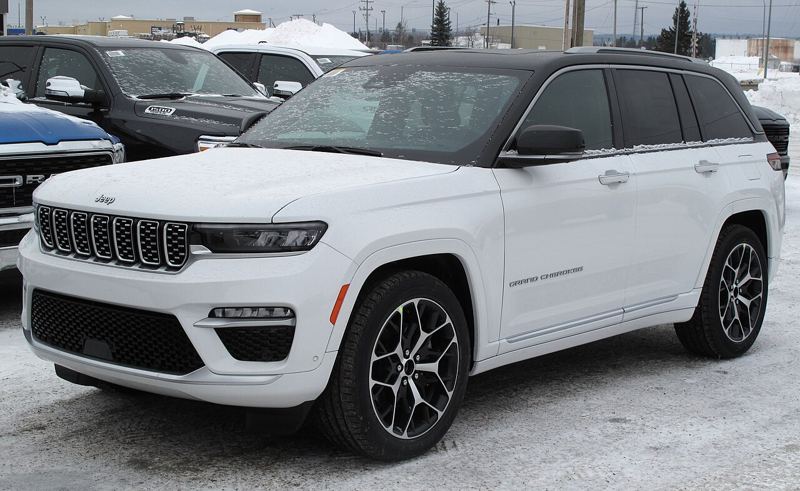 Jeep Grand Cherokee1992–present
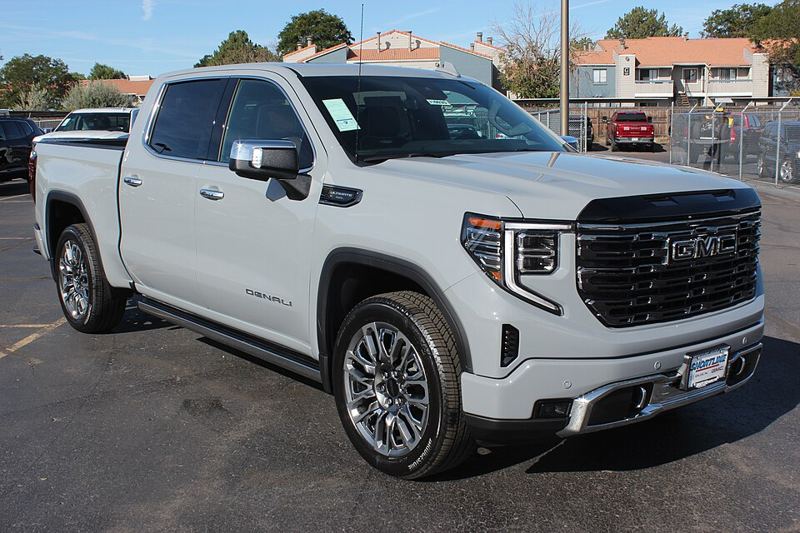 GMC Sierra 15001988–present


