
Chrysler 300
Full-size sedan · 2005–2023. 5,295 units sold in the US in 2024
How it began
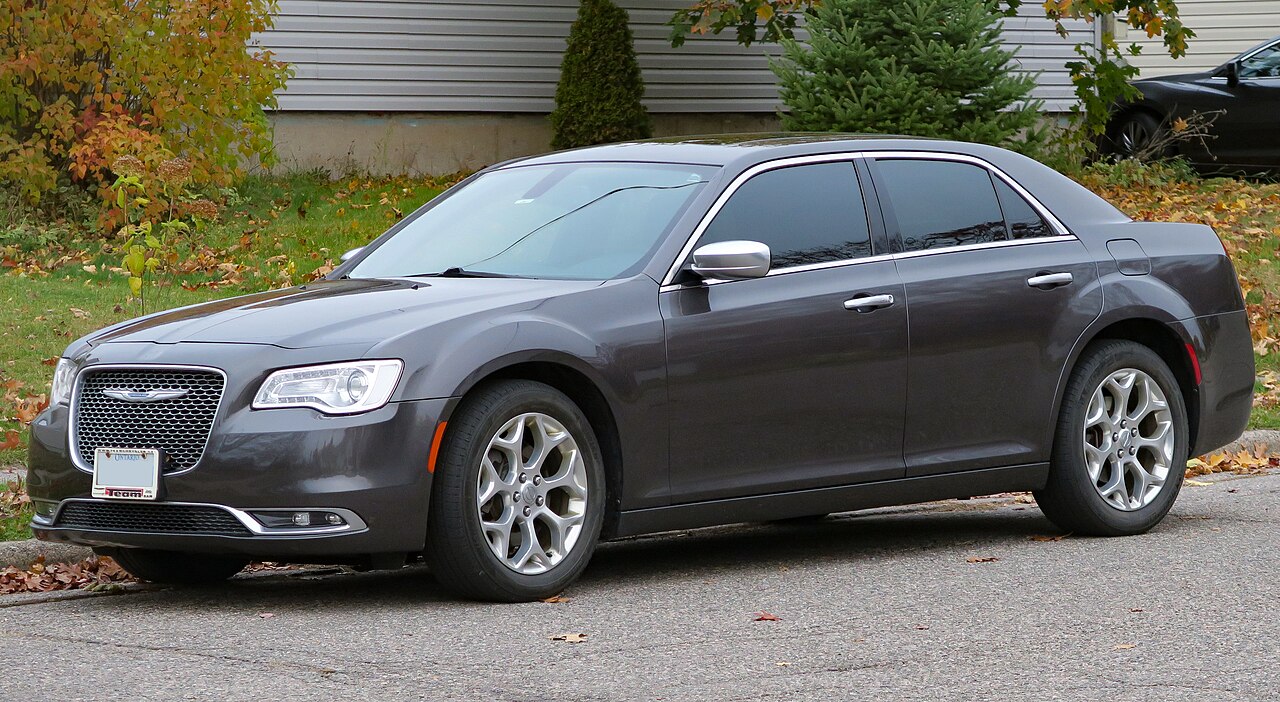
The modern 300 was created by Chrysler (then part of DaimlerChrysler). According to Stellantis, the 2005 300C was designed by Ralph Gilles, now Stellantis Chief Design Officer, and his team. The name comes from an earlier legend: the 1955 C-300, born because Chrysler president Tex Colbert wanted an image car, and styled by Virgil Exner and his team in the Forward Look theme.
Ralph Gilles’s team worked at Studio 3 in Auburn Hills, Michigan. The Brampton, Ontario, Canada plant built the 300 throughout its modern life; Chrysler acquired it with American Motors in 1987. Cars for markets outside North America were also assembled at Magna Steyr in Graz, Austria: a June 2005 release confirmed production had begun. The last 300C left Brampton on December 8, 2023.
Production at Brampton began in January 2004, and the car reached showrooms in April 2004 as a 2005 model. The second generation was unveiled on January 9, 2011, and production ended after the 2023 model year.
The number comes from the 300 horsepower of the 1955 C-300, the first of the letter series (C-300, 300B, 300C and on to the 1965 300L). That is why the V8 version of the modern 300 was called 300C, like the 375 hp 1957 model.
In the early 2000s, the Chrysler group’s big sedans (Dodge Intrepid, Chrysler Concorde and Chrysler 300M) were front-wheel drive. The 300 replaced them with a new rear-wheel-drive platform, classic long-hood, short-deck proportions and the return of the HEMI V8 to the brand after nearly 50 years. The idea was to offer luxury-car power and presence for under $30,000 in the entry versions.
Generation by generation
- Gen. 12005–2010 · LX
The return of rear drive and the HEMI
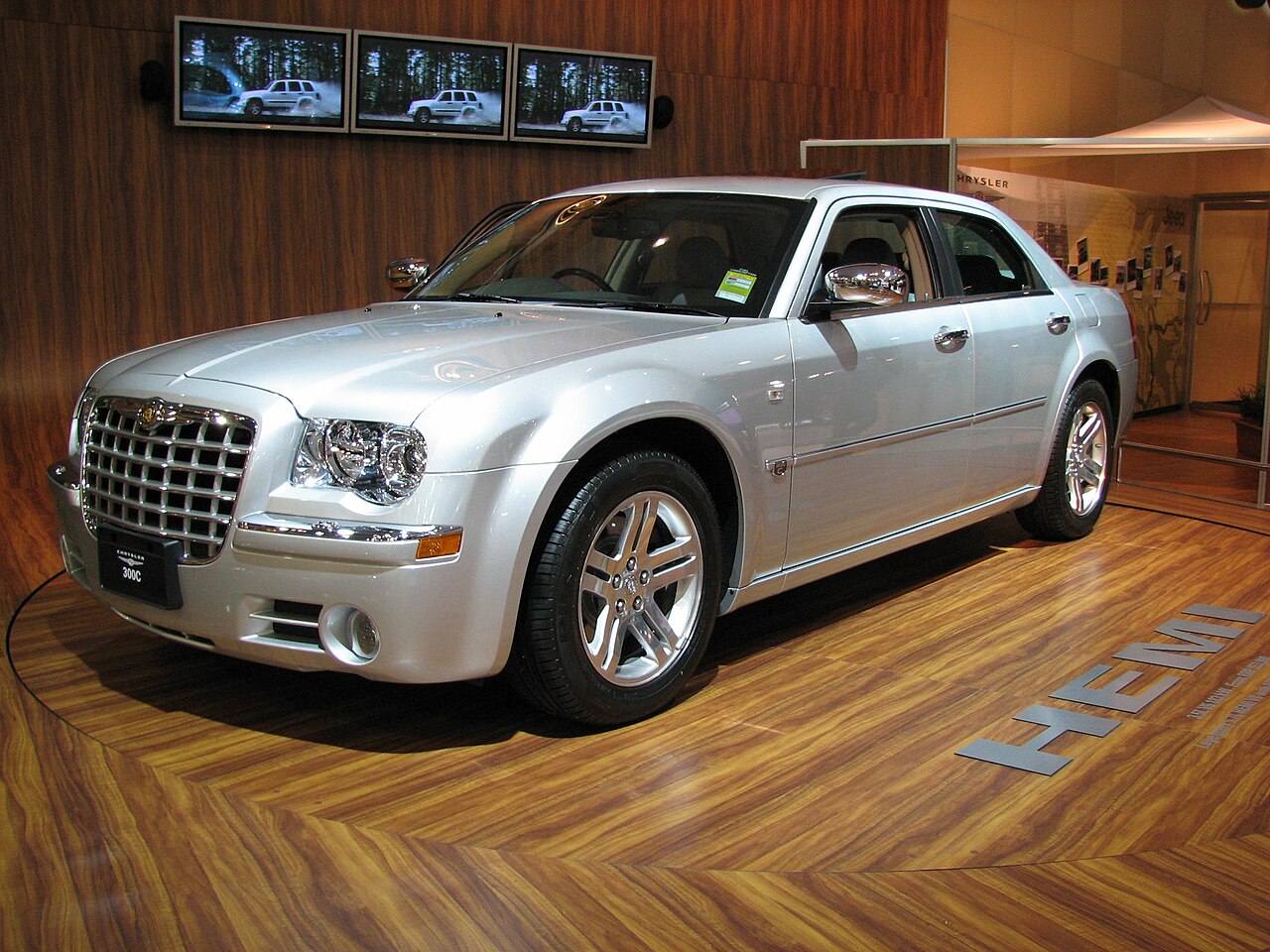
Photo: Jeremy from Sydney, Australia · CC BY 2.0 What changed. It replaced three front-drive sedans with a new rear-drive architecture, a five-link independent rear suspension and optional all-wheel drive. Engines were 2.7- and 3.5-liter V6s and, in the 300C, a 5.7-liter HEMI V8 with 340 hp and 390 lb-ft. The 300C SRT8 arrived in 2005 with a 6.1-liter, 425 hp HEMI. The 300C tested by Machine Design in May 2005 stickered at $34,425.
The innovation. The 5.7-liter HEMI had Multi-Displacement System, which cuts fuel to four cylinders when full power is unnecessary. Chrysler advertised up to 20% better fuel economy depending on use and driving style. In its February 2004 report, Auto123 described it as the first modern production vehicle with cylinder deactivation; that is the publication’s description at the time.
If you buy one usedFor affected unrepaired Takata vehicles, FCA/NHTSA advises not driving until the repair is completed. Check 15V313 on certain 2005–2010 driver inflators; it supersedes 14V817 and requires new replacement even after the earlier repair. Passenger-inflator campaign 16V352 has distinct 2005–2012 year/geographic cohorts. Confirm original-sale/registration history and all current VIN-specific work. On specified 2008 cars built May 31, 2007–May 12, 2008, 14V567 replaces the ignition switch and key FOBs for the START/ON sticking and engine-shutoff risk. Campaign 08V295 replaces rear axle hub nuts from a specific faulty lot. Also check passenger-inflator campaign 19V018/V01 on certain 2010 cars. The original manufacturer report and dealer procedure identify the front passenger inflator and require its replacement; determine eligibility by VIN and prior recall history. - Gen. 22011–2023 · LX
Redesigned from the ground up, more refined
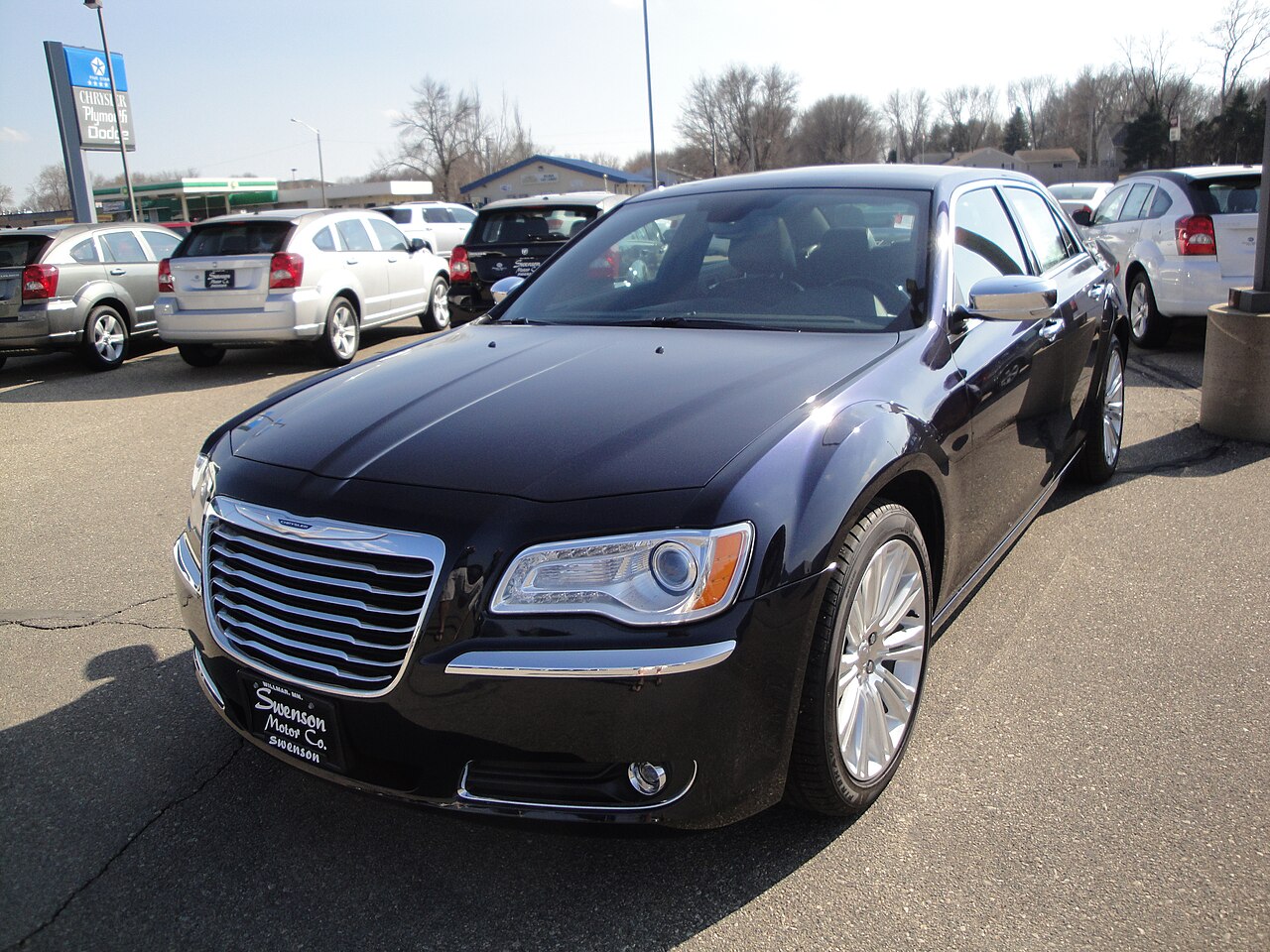
Photo: Greg Gjerdingen from Willmar, USA · CC BY 2.0 What changed. Chrysler redesigned it completely on a second-generation architecture. The 3.6-liter Pentastar V6 arrived with 292 hp and the 5.7-liter HEMI rose to 363 hp; the Uconnect Touch 8.4 screen and more than 70 safety features lifted the cabin. For 2015 it got a new face, the TorqueFlite eight-speed automatic as standard and a rotary shifter. The 2014 300 SRT had a 6.4-liter HEMI with 470 hp.
The innovation. Its all-wheel drive used an active transfer case that disconnects the front axle when it is not needed, up to 5% more efficient than full-time systems, and can send up to 38% of torque to the front wheels.
If you buy one usedSelected campaigns are 12V197 ABS/ESC fuse relocation on 2011–2012; 14V634 alternators on specified 2011–2014 3.6-liter/160-amp cars; and broader EHPS/engine/alternator-specific 17V435 inspections. Campaign 16V240 updates 2012–2014 monostable-shifter software; identified incomplete earlier updates require another visit. Check 21V516 windshield bonding on 2020–2021, 24V198 both curtain airbags on 2018–2021, and 24V112 parking-brake adjustment on 2023. Certain early cars also have frontal Takata campaigns with do-not-drive instructions until repaired. These are selected programs; verify actual equipment, VIN eligibility and completed repairs. Also check passenger-inflator campaign 19V018/V01 on certain 2011–2015 cars. The original manufacturer report and dealer procedure identify the front passenger inflator and require its replacement; determine eligibility by VIN and prior recall history.
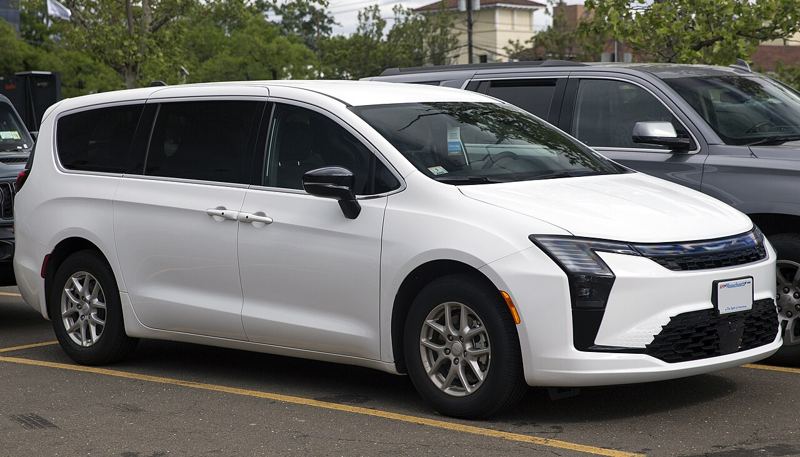 Chrysler Pacifica2004–present
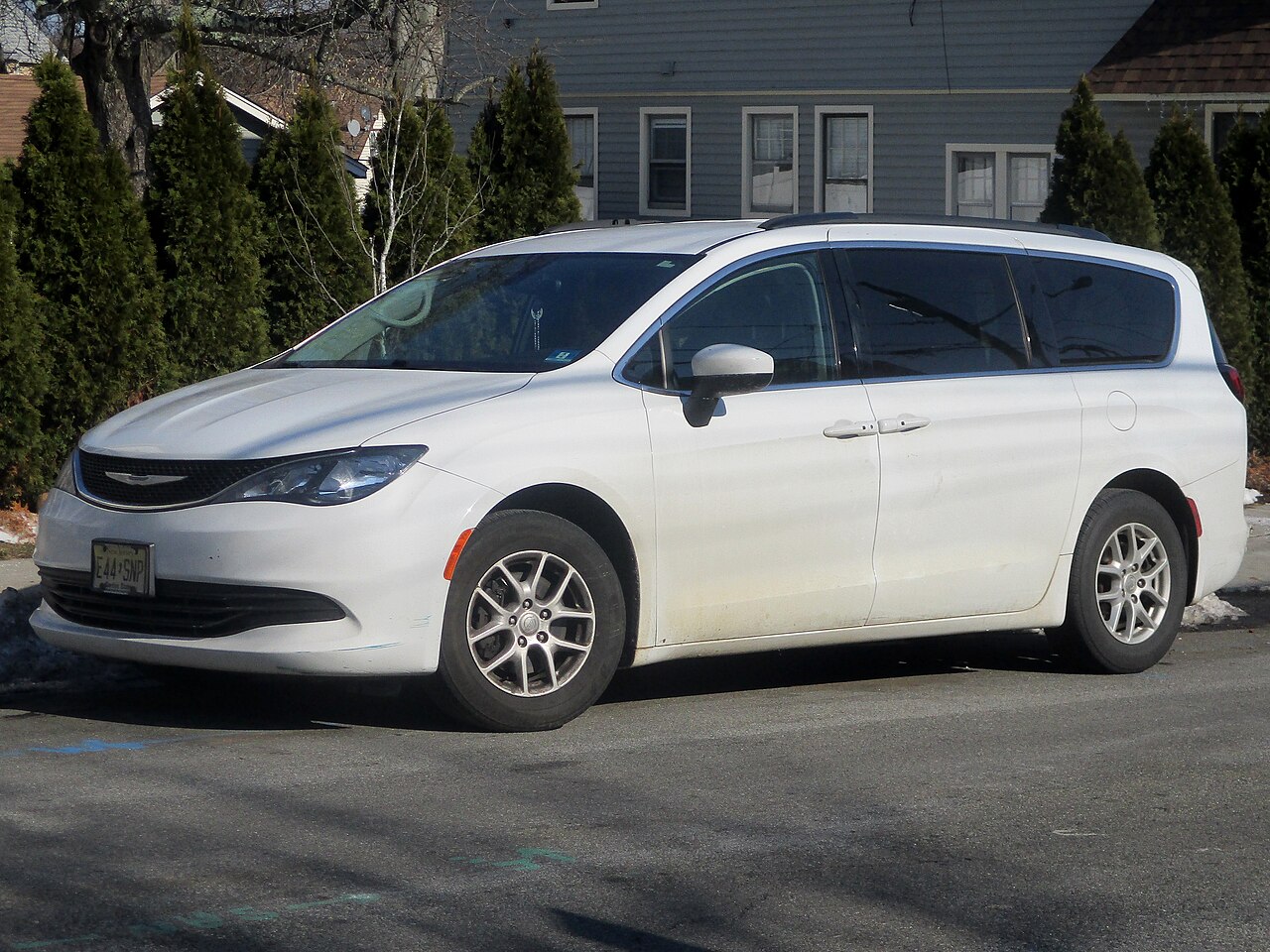 Chrysler Voyager1984–2003 and 2020–2026
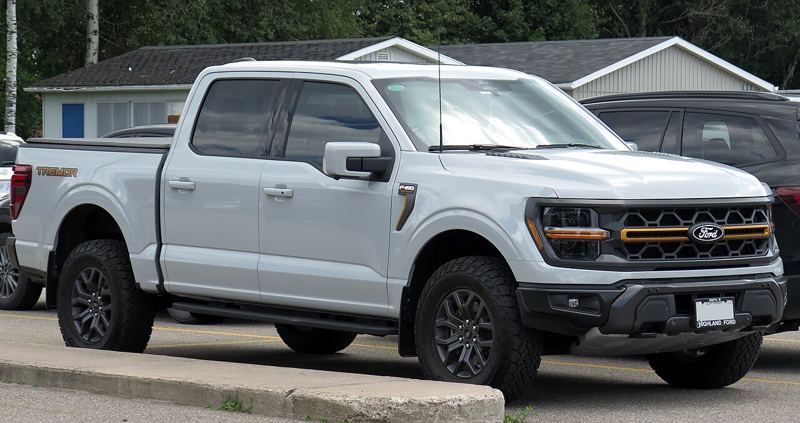 Ford F-Series (F-150)1948–present
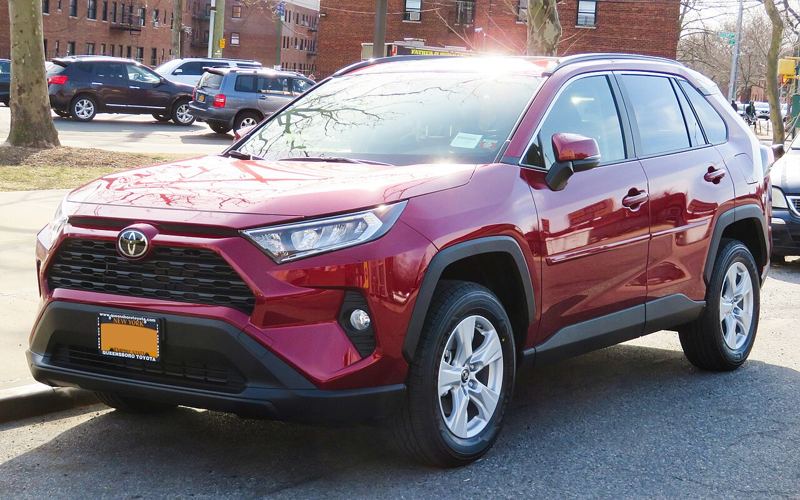 Toyota RAV41994–present (US from 1996)
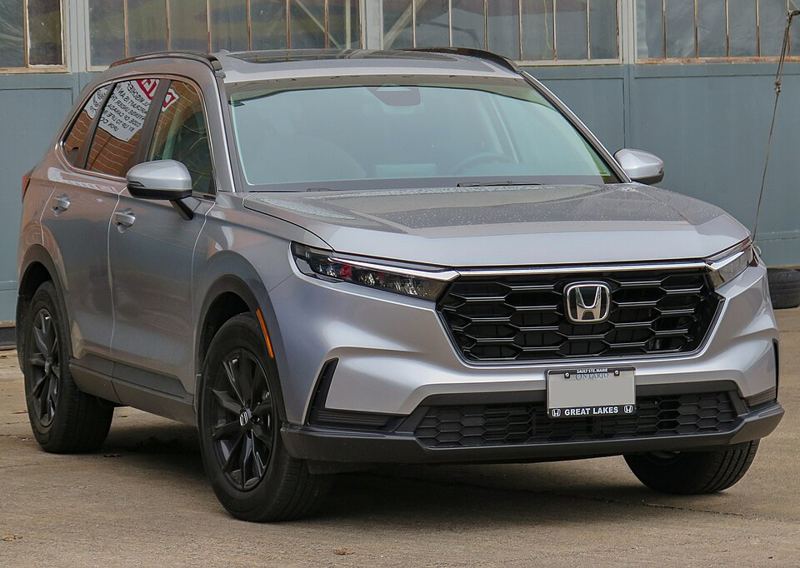 Honda CR-V1995–present
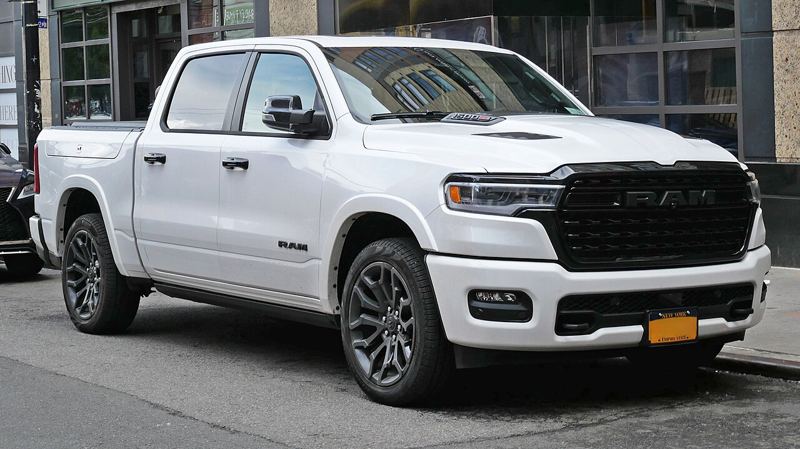 Ram 15001981–present
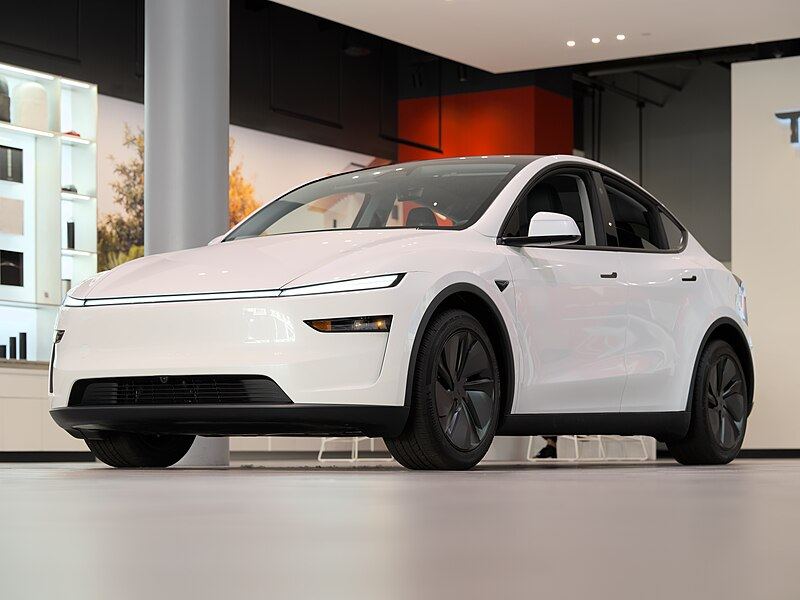 Tesla Model Y2020–present
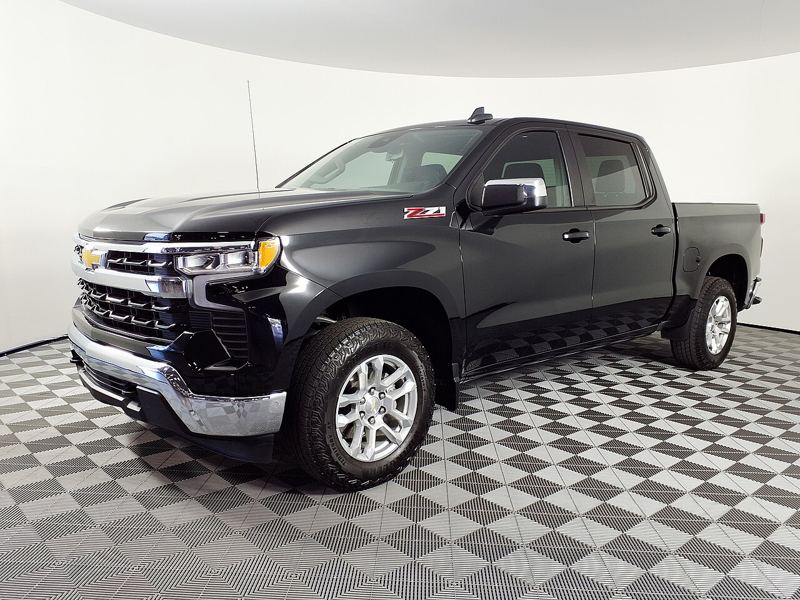 Chevrolet Silverado1999–present
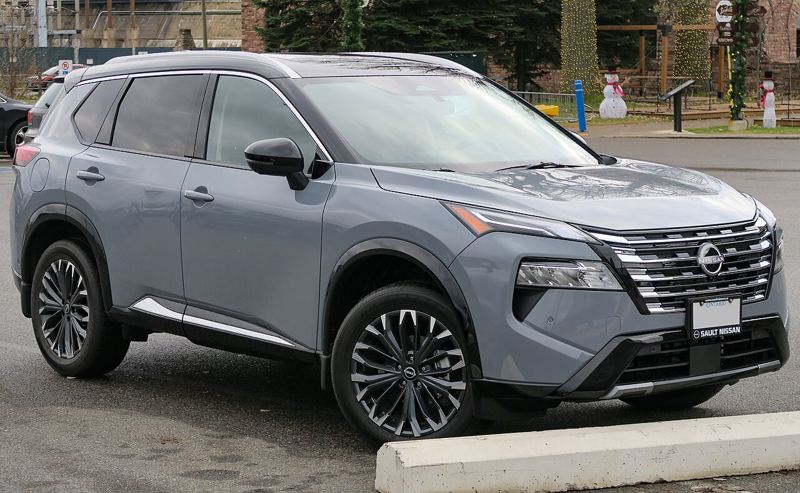 Nissan Rogue2007–present


