
Ford Escape
Compact SUV · 2001–2026. 146,859 units sold in the US in 2024
How it began
Ford and Mazda jointly developed the Escape/Tribute architecture. The contemporary Wards report identified Mazda as responsible for vehicle engineering and Keith Takasawa as Escape chief program engineer. Paul Linden was Ford’s project management supervisor. Jim Hughes was chief program engineer for the 2020 model.
Escape and Mazda Tribute shared a jointly developed architecture. Early North American Escapes were built in Kansas City, Missouri. The new 2013 generation moved to Louisville, Kentucky, in 2012. Louisville production ended in December 2025; Ford’s original table still records 10,914 Escapes built there that December.
Escape was introduced in 2000 as a 2001 model. Wards reported an $18,160 base price for the front-wheel-drive 2.0-liter. Mazda confirms that left-hand-drive Tribute production began at Kansas City in June 2000 and North American sales in August.
According to Leo V. Williams III, a former Ford marketing manager, the company wanted names starting with "EX" to build on the Explorer's success (that is how the Expedition and Excursion got theirs). Williams proposed spelling it "Excape," but Ford's bosses turned it down because it was not a dictionary word. They kept the idea of escaping everyday life and the normal spelling: Escape.
By the late 1990s, Explorer led U.S. SUV sales and the small-SUV segment had grown from 250,000 units in 1995 to 500,000 in 1999, according to Wards. Escape brought Ford into competition with CR-V and RAV4 using a unibody platform and more car-like handling. Ford identifies it as America’s best-selling small SUV in its first full sales year, following the partial 2000 launch year.
Generation by generation
- Gen. 12001–2007
The small SUV that beat the CR-V and RAV4
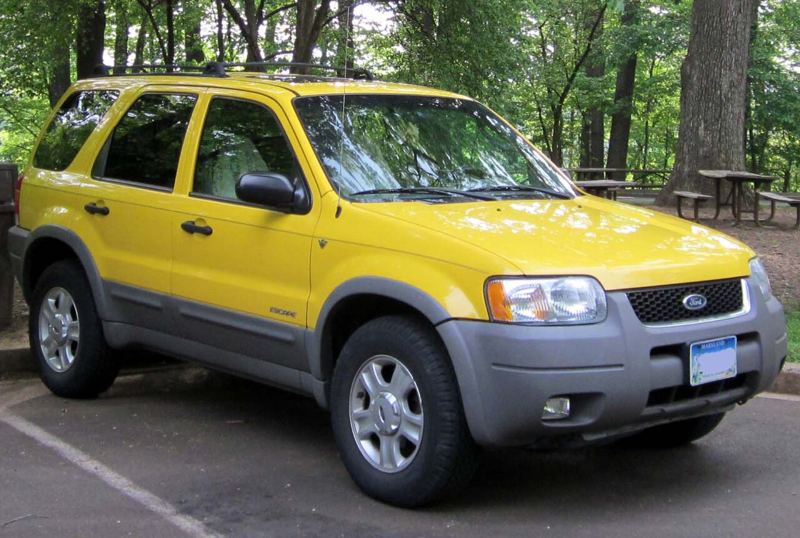
Photo: IFCAR · Public domain What changed. The new compact Escape used a unibody structure shared with Mazda Tribute. The roof was their only shared sheet-metal body panel; some glass and mechanical components were also shared. Launch engines were a 130 hp 2.0-liter Zetec or a 200 hp 3.0-liter Duratec V6, described then as the most powerful in its class. Escape Hybrid arrived in 2004 as a 2005 model.
The innovation. Escape Hybrid was the first modern production hybrid SUV and the first full hybrid from a U.S. automaker. It had a 70 kW traction motor; the system could shut down the gasoline engine in traffic and restart it in under 400 milliseconds. The original EPA front-wheel-drive city rating was 36 mpg. It won 2005 North American Truck of the Year.
If you buy one usedFor certain 2001–2004 3.0L V6 Escapes with speed control, 12V353 addresses throttle sticking at the cable/engine cover even with cruise control unused. Campaign 14V165 reinforces the forward lower-control-arm attachment on specified original-sale/current-registration salt-state vehicles. Campaign 14V526 covers 2005–2008 hybrids with failing electronics coolant pumps and an improved brushless-pump remedy. Confirm actual VIN eligibility and completed repairs. - Gen. 22008–2012
More truck face, more quiet inside
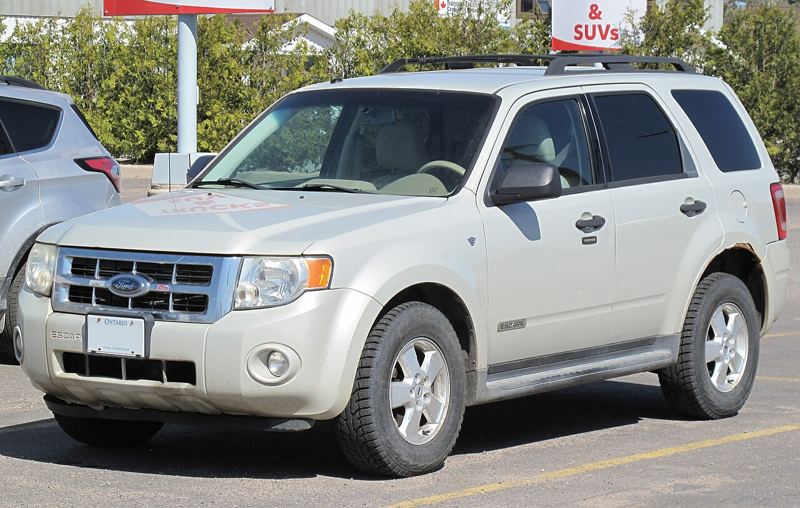
Photo: Elise240SX · CC BY-SA 4.0 What changed. The 2008 model debuted at Los Angeles in late 2006. Ford celebrated its Kansas City factory launch on January 26, 2007 after a $100 million investment. Styling added a chrome grille and higher hood. The announcement reported a 12% reduction in interior noise, vibration and harshness, standard curtain airbags and standard Roll Stability Control on gasoline models. Initial engines were the 153 hp 2.3-liter and 200 hp 3.0-liter V6.
The innovation. The seat fabric used recycled post-industrial material supplied by InterfaceFABRIC. Ford said it believed this was the first U.S. application of seating surfaces made from 100% of that material. The hybrid could run on electric power alone up to 25 mph under suitable conditions.
If you buy one usedCheck 14V284 on specified 2008–2011 cars for torque-sensor/EPS-assist loss; the remedy can require software or replacement according to fault history. On 2010–2012 3.0L cars, 16V777 addresses cracked fuel-delivery modules/leaks with a redesigned flange. The 2008 hybrid also falls within the 14V526 electronics coolant-pump program. Verify current repair arrangements and VIN completion records. - Gen. 32013–2019
Global, turbocharged, and a liftgate you open with your foot
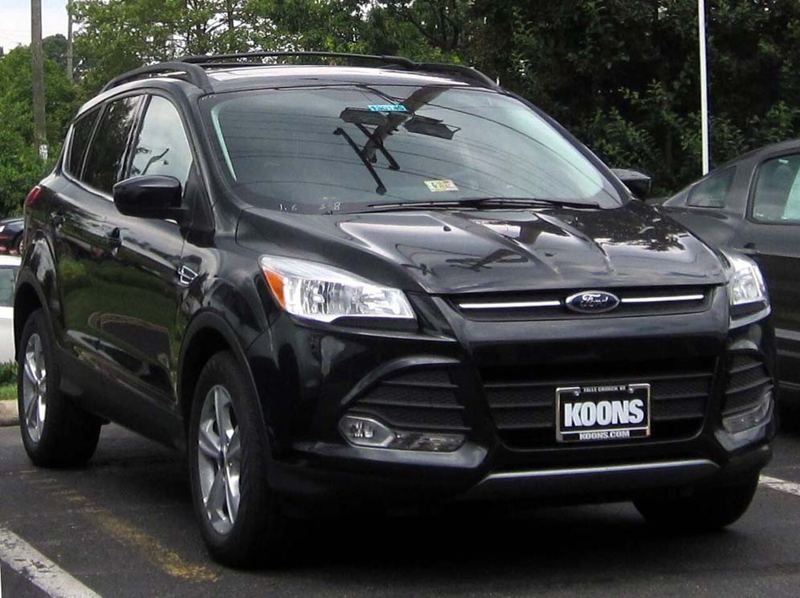
Photo: IFCAR · Public domain What changed. The third generation was unveiled at Los Angeles on November 16, 2011. Ford celebrated production at the transformed Louisville plant on June 13, 2012 after a $600 million investment. It moved to Ford’s global C platform, shared with Focus, C-MAX and Kuga. Europe and China built and sold it as Kuga with market-specific equipment. The initial menu used 1.6- and 2.0-liter EcoBoost and 2.5-liter four-cylinder engines instead of the previous V6 and hybrid. U.S. sales reached a record 308,296 in 2017.
The innovation. The hands-free power liftgate: with a kick under the center of the bumper, two sensors detect your shin and the liftgate opens or closes, with the key still in your pocket. Ford said it was the first SUV to use gesture-based technology to open the liftgate.
If you buy one usedThe 2013 1.6L programs address coolant leaks/overheating/fire (12V551) and localized cylinder-head overheating/cracks/oil leakage (13V583), with differing cooling, shielding and software work. Campaign 22V413 includes specified 2013–2019 shift-cable bushings: wrong-gear movement or rollaway can occur even after selecting Park; the repair adds a new bushing and protective cap. Ask for completion records for each actual VIN campaign. - Gen. 42020–2026
The hybrid returns, now with a plug-in too
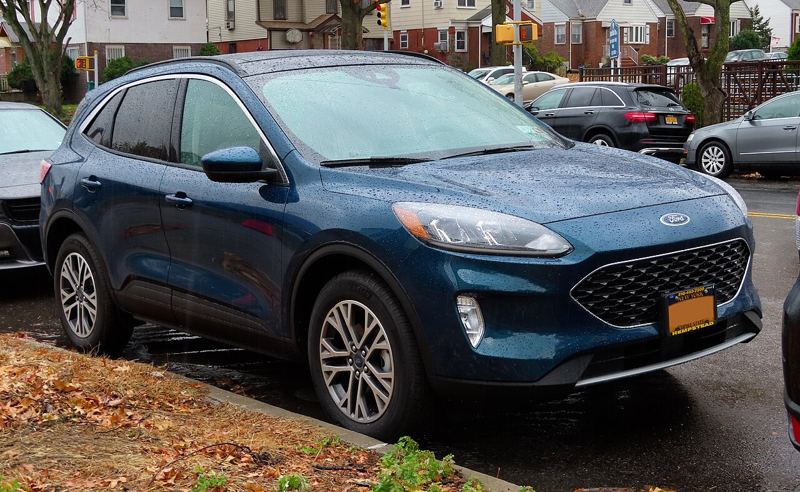
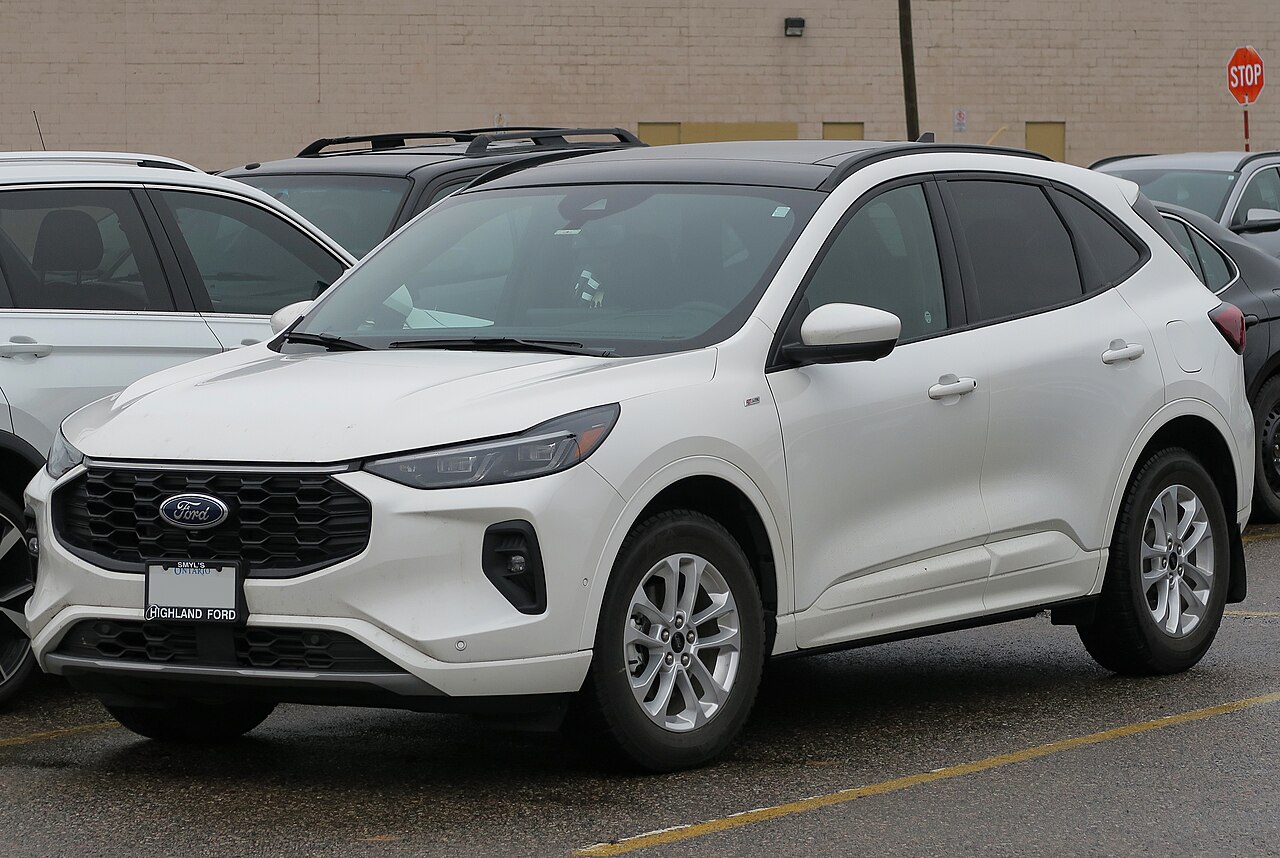
Photo: Kevauto · CC BY-SA 4.0 What changed. It was revealed on April 2, 2019 and built in Louisville. Ford announced a weight reduction of more than 200 pounds, a lower, wider and longer body and Mustang-inspired grille. The production 2020 model offered a 181 hp 1.5 EcoBoost, a 250 hp 2.0 with an 8-speed automatic and a 200 combined hp 2.5-liter hybrid; a plug-in was also announced. The initial announcement’s 198 hybrid hp was a projection. The 2023 update added ST-Line, an available 13.2-inch screen and estimated 37-mile PHEV electric range.
The innovation. The 1.5 EcoBoost introduced cylinder deactivation for Ford in North America: it can shut down one of its three cylinders when unneeded. The sliding rear seat trades passenger space against cargo room. For the 2023 update, Ford said its rearward position gave more rear legroom than the contemporary Toyota Sequoia.
If you buy one usedFor 1.5L cars, 22V859 covers 2020–2023 and 25V467 specifically names 2020–2022: the later final remedy adds rail/injector hardware and software, requiring new work after earlier programs. On specified 2.5L HEV/PHEVs, 22V484 (2020–2022) and replacement campaign 23V380 (2020–2023) address engine-failure fire risk; safely park and shut off for unexpected engine noise, power loss or smoke. For PHEVs in 24V954, do not plug in until its software remedy is complete; also check the later 25SC4 programs, 25V789 and 26V091, even after that repair. The original program reports include certain 2020–2025 Escape PHEVs; current eligibility must be checked by VIN. Their interim guidance limits charge to 80% and uses Auto EV only until the new remedy. Ask Ford for the current instructions for the actual VIN. Check 25V372 cylinder-head ball plugs on specified 2023–2025 cars.
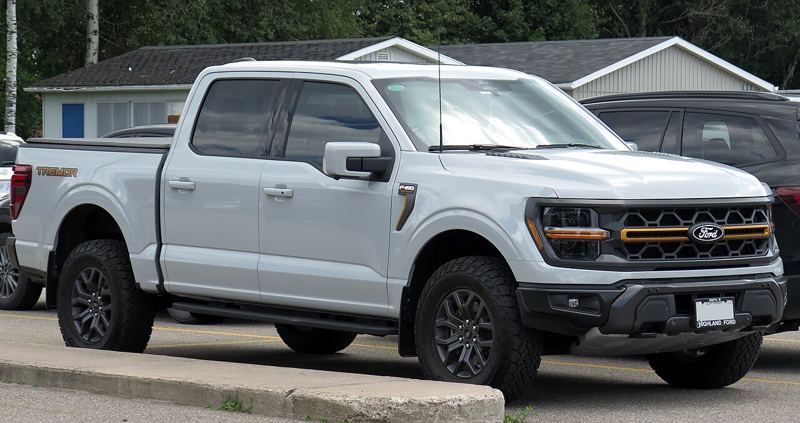 Ford F-Series (F-150)1948–present
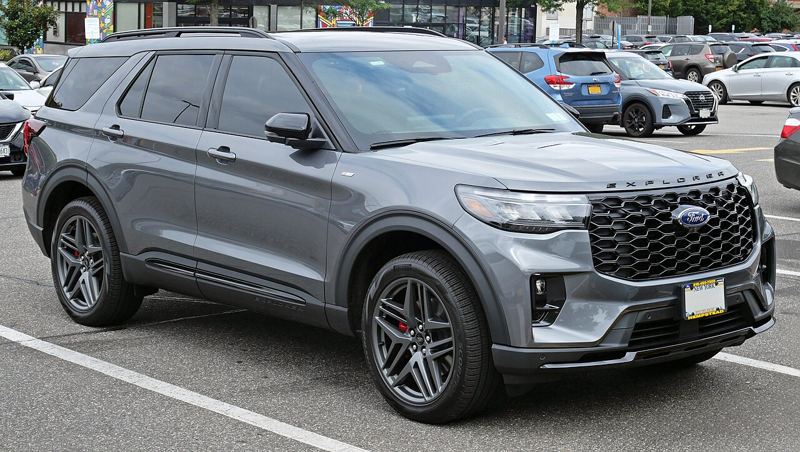 Ford Explorer1991–present
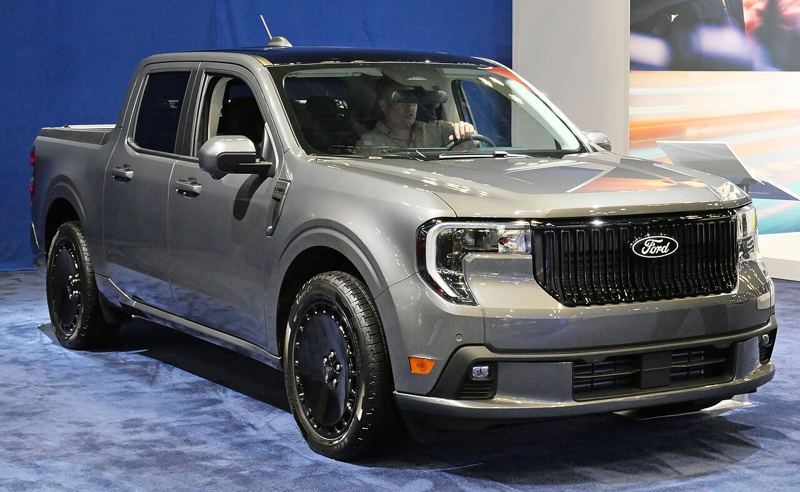 Ford Maverick1970–1977 and 2022–present
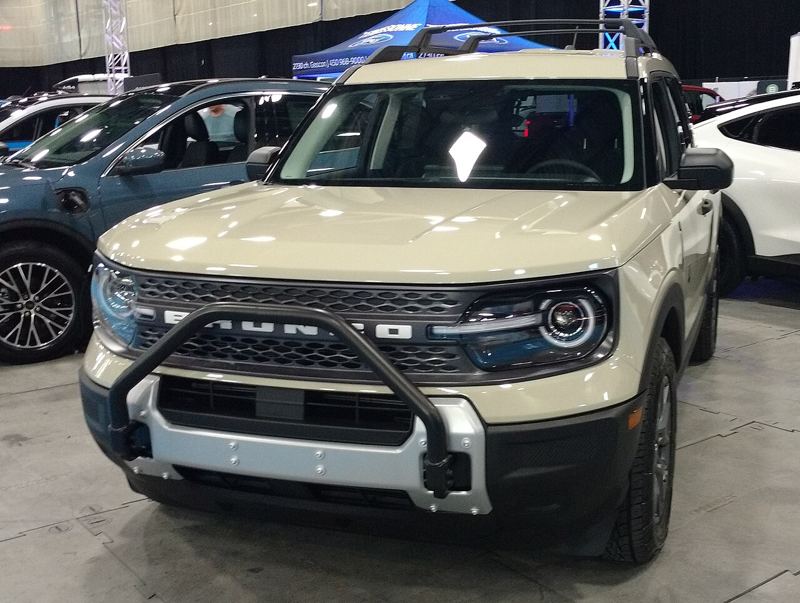 Ford Bronco Sport2021–present
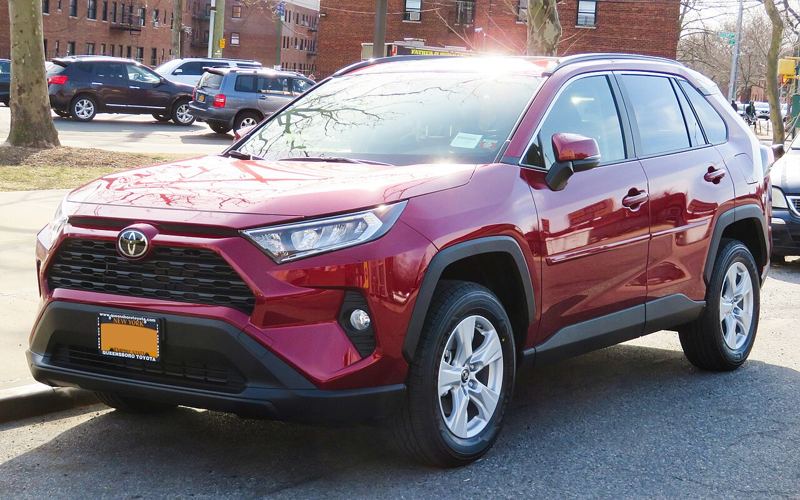 Toyota RAV41994–present (US from 1996)
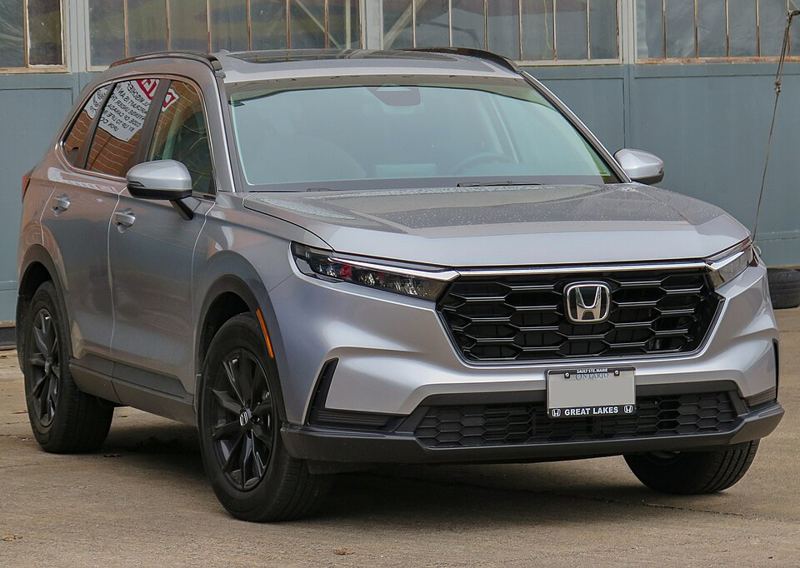 Honda CR-V1995–present
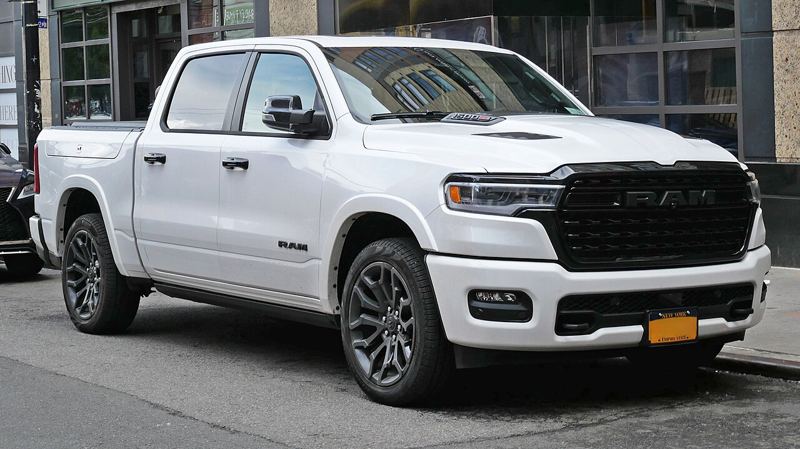 Ram 15001981–present
 Tesla Model Y2020–present
 Chevrolet Silverado1999–present


