
Ford Explorer
Midsize three-row SUV · 1991–present. 194,094 units sold in the US in 2024
How it began
The Explorer project took off after Bob Lutz moved from Ford of Europe to lead Ford's U.S. truck operations in 1985. Truck marketing manager Leo Shedden and product planners defined the customer brief. Kelley Clark was chief engineer for the 2025 update.
It was built on the Ranger pickup platform, and the first Explorer rolled out of Ford's Louisville, Kentucky, plant on February 14, 1990, Valentine's Day. The 2002 generation was assembled in Louisville and in St. Louis, Missouri. Since late 2010 it has been built at Chicago Assembly, on Torrence Avenue in Chicago's Hegewisch neighborhood in Illinois, where Ford said the 2025 model is built.
Introduced in March 1990 as a 1991 model, the Explorer had its first full sales year in 1991.
The Explorer name predates the SUV. An original 1968 Ford of Canada mailer offered an Explorer Special equipment package on a Styleside pickup.
Ford's customer brief called for a comfortable personal truck with cargo space, easy access, room for five or six and towing capability. It needed to replace the two-door Bronco II and answer the four-door Jeep Cherokee. In his later firsthand account, Lutz recalled requiring more width and track than Cherokee within a $400 million project budget.
Generation by generation
- Gen. 11991–1994
The family truck that started the SUV craze
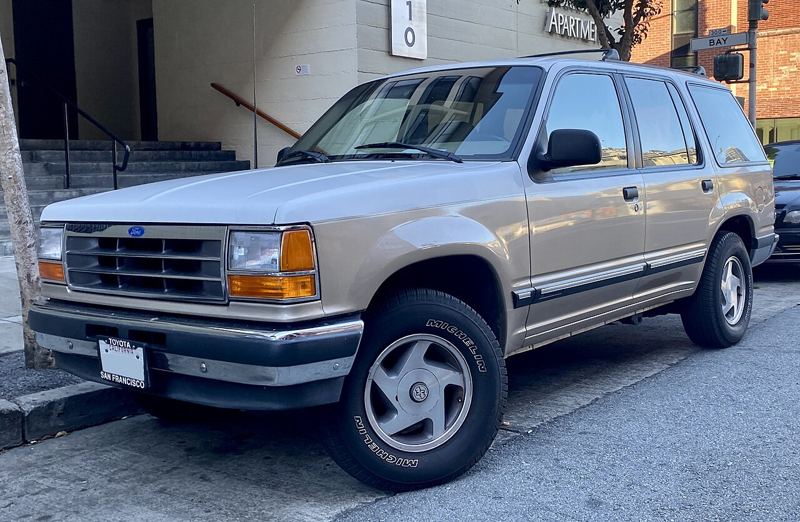
Photo: Cutlass · CC0 What changed. It replaced Bronco II with Ranger-derived body-on-frame construction. Two-door Sport and four-door bodies were offered, with an initial 155 hp, 4.0-liter V6 and XL, XLT and Eddie Bauer trims. Mazda offered the related two-door as Navajo.
The innovation. It brought car comforts to a truck: large doors, generous rear room, power steering and folding rear seats. The original brochure offered an optional roof panel that tilted open or could be removed. Five seats were standard, with an optional front split bench allowing six in selected four-door trims.
If you buy one usedOn these 1990s cars, check liftgate brackets in 95V164 (1992–1993) and 99V310 (1993–1995); master-cylinder/booster studs in 96V024 (1991–1994, specified Southern California counties); and factory sunroof retention/instructions in 97V235 (1991–1993). Equipment campaign 00T005 involved specific P235/75R15 Firestone ATX/ATXII and Decatur Wilderness AT tires fitted to Explorers, not every tire. Its original reimbursement program has expired; inspect actual installed tires, dates and prior work. - Gen. 21995–2001
Its own face and the first V8
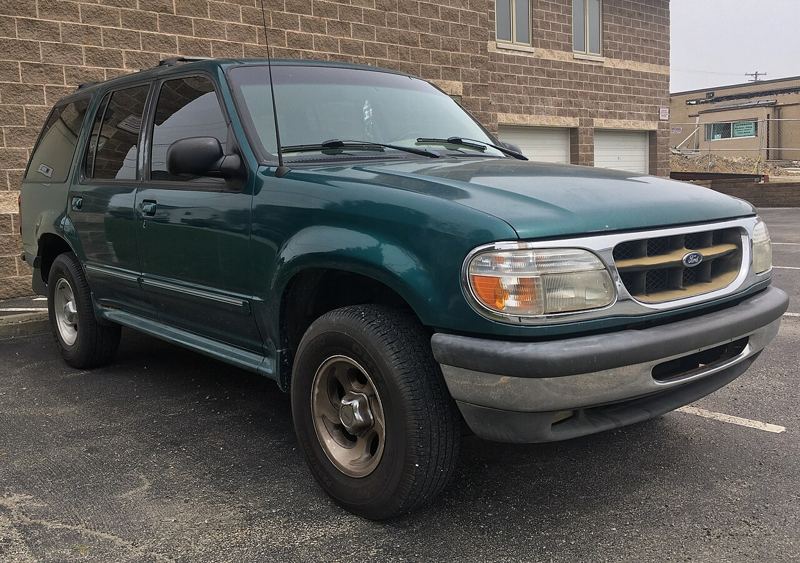
Photo: Cutlass · CC0 What changed. The 1995 redesign had a rounded grille. A 5.0-liter V8 joined the 4.0-liter V6 for 1996. The related Mercury Mountaineer arrived for MY1997, followed by the Explorer Sport Trac pickup for MY2001.
The innovation. Independent short/long-arm front suspension improved ride. On four-wheel-drive models it replaced Twin-Traction Beam; the older two-wheel-drive layout was called Twin-I-Beam.
If you buy one usedSeveral years used the affected Firestone tires in the August 2000 recall; check actual equipment and tire age rather than assume every original tire was replaced. On specified 1998 cars, check 98V060 (4.0 L SOHC fuel-line damage from a wrong jump-start ground), 99V164 (secondary hood-latch corrosion) and 03V281 (high-back driver-seat recliner bolts). The 4.0 L qualifier belongs to the fuel-line campaign. Ask for actual VIN-specific repair records. - Gen. 32002–2005
Independent rear suspension and a third row
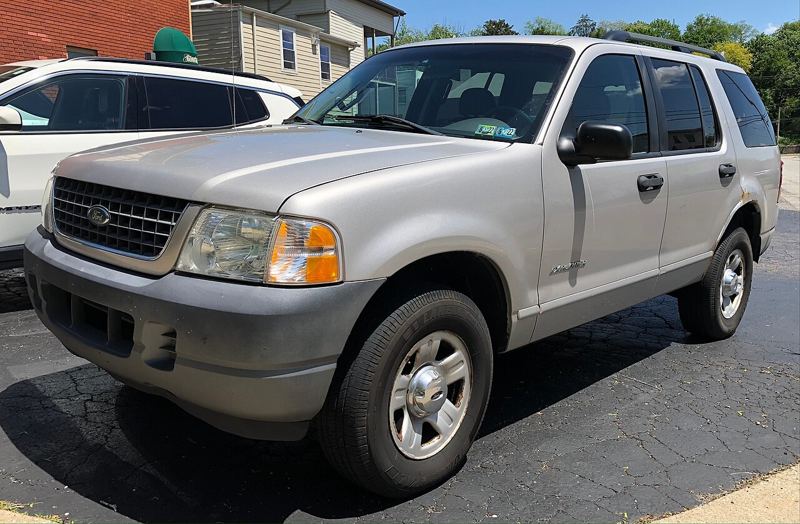
Photo: Cutlass · CC0 What changed. It reached dealers in early 2001 as a 2002 model, built in Louisville and St. Louis. It gained 2.5 inches of track width, 2 inches of wheelbase and a frame 350% stiffer in torsion, while weighing about 90 pounds less. The 4.0-liter V6 rose to 210 hp and the new all-aluminum 4.6-liter V8 made 240 hp; with the tow package it could pull up to 7,300 pounds.
The innovation. The independent rear suspension routed the half-shafts through portholes in the frame, lowering access and making room for an optional third row and seven seats. Explorer was Ford's first SUV to offer AdvanceTrac electronic stability control, available later in 2001.
If you buy one usedCampaign 04V442 covers certain 2002–2003 Explorer liftgate-glass hinges/struts; the actual build date determines hinge and bracket work. Campaign 01V171 covers specified 2002 right-side tires cut during assembly, with inspection and replacement if cut. Check repair records and have unsafe glass retention or tire damage repaired before use. - Gen. 42006–2010
More power and standard rollover control
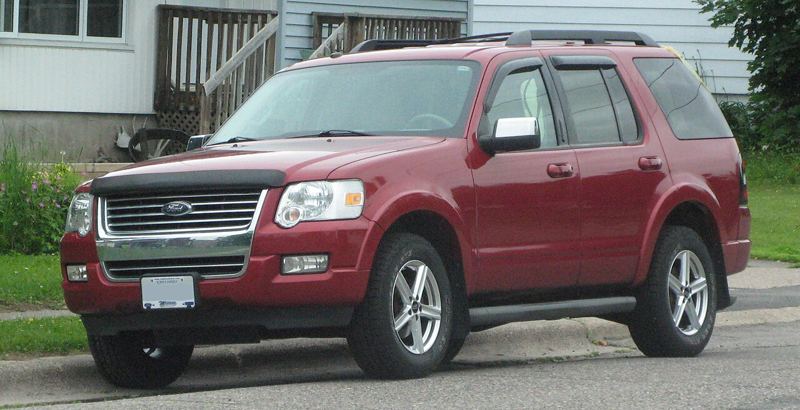
Photo: SsmIntrigue · CC BY-SA 4.0 What changed. It arrived in August 2005 with a new interior, a 60/40 folding second row and a new grille, headlamps and liftgate. Base prices averaged about $1,750 less than the outgoing model, starting at $27,175. The 4.6-liter V8 reached 292 hp with a new six-speed automatic; the 4.0-liter V6 stayed at 210 hp.
The innovation. AdvanceTrac with Roll Stability Control, which uses sensors to detect and counter rollover risk, became standard along with tire-pressure monitoring and seat-mounted side airbags.
If you buy one usedFord reports 78,439 U.S. Explorer sales in calendar 2008, during the recession; that count does not establish today’s surviving used supply. Check 07V181 steering-gear bolts on specified 2007 cars and 07V453 transmission-cooler line fittings on specified 2008 4.6 L V8/6R cars. Loose steering gear can clunk and reduce control; leaked transmission fluid near the catalyst can cause fire. Verify the prescribed bolt/nut or fitting work. - Gen. 52011–2019
Unibody and built in Chicago
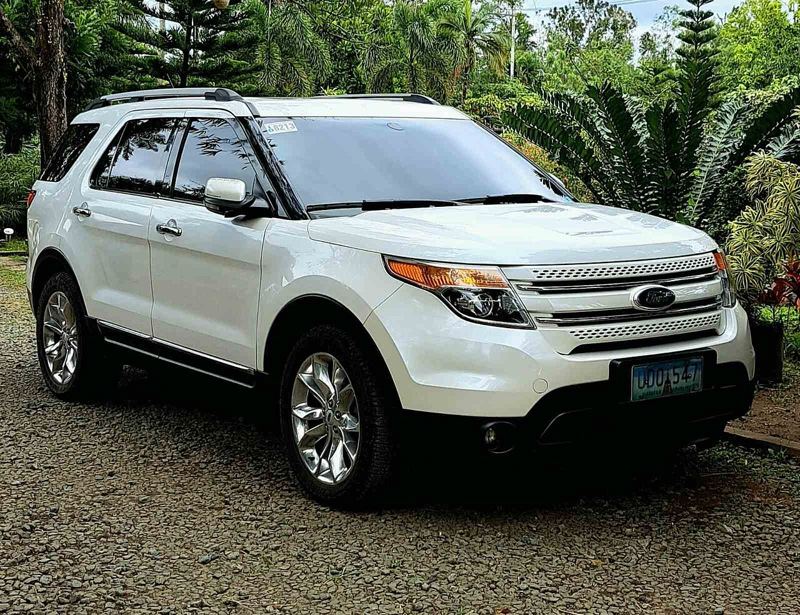
Photo: 2007FordExplorer · CC BY-SA 4.0 What changed. It traded body-on-frame for a unibody derived from the Taurus and Flex, with front- or all-wheel drive, and moved to Chicago Assembly with an investment of nearly $400 million and about 1,200 new jobs. A 290 hp, 3.5-liter V6 replaced the V8 with 20% better fuel economy, and an EcoBoost four-cylinder was offered. In 2013 a 365 hp EcoBoost V6 arrived.
The innovation. It debuted inflatable rear seat belts, an industry first, plus Curve Control, which cuts power and brakes if you enter a curve too fast, and the Terrain Management system for mud, sand and snow.
If you buy one usedCheck rear toe-link campaigns 19V435 (2011–2017), 20V675 and 21V537 (specified 2013–2017 salt-jurisdiction cars, with differing registration/prior-repair conditions). The later remedy can require new links and cross-axis joints/knuckles after earlier work. Also check 14V286 steering assist (2011–2013), 15V171 interior handles (2011–2013) and 24V031 A-pillar trim (2011–2019). Confirm actual VIN completion, not just a prior repair invoice. - Gen. 62020–present
Back to rear-wheel drive
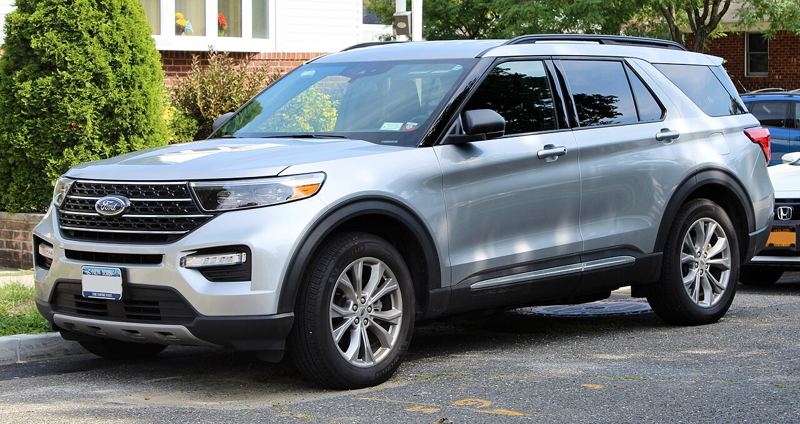
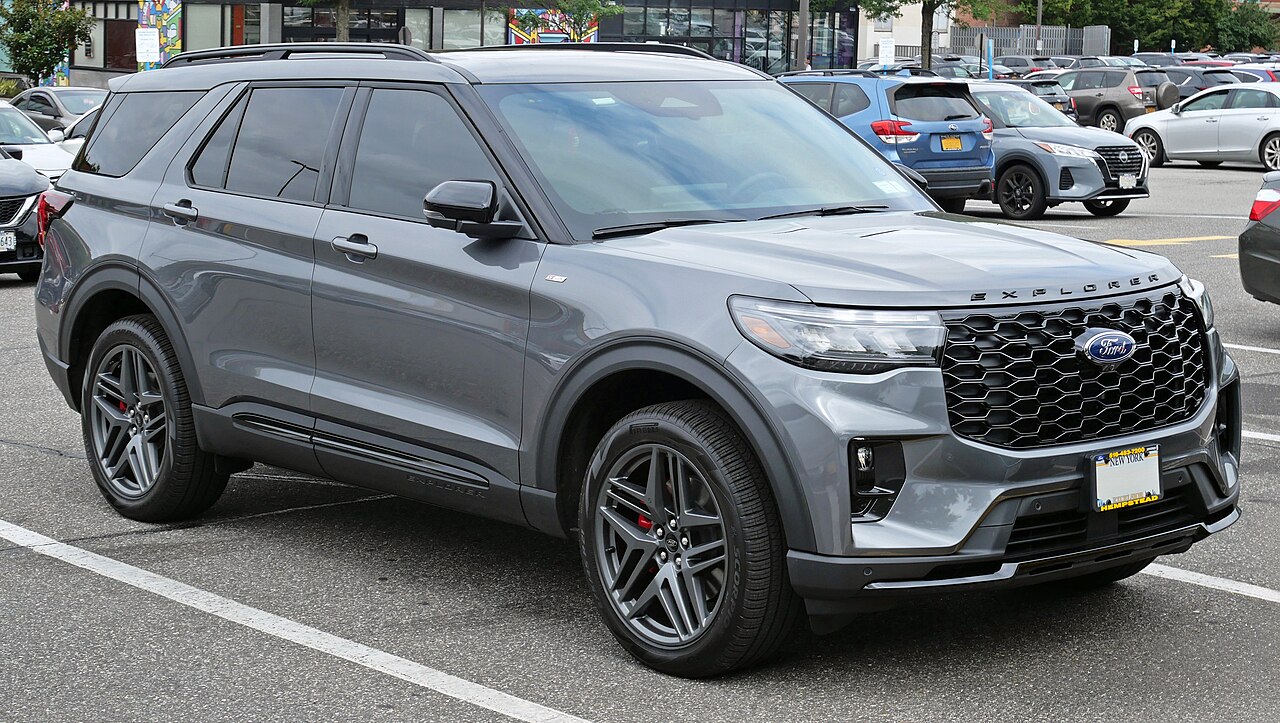
Photo: Kevauto · CC BY-SA 4.0 What changed. It was revealed on January 9, 2019, at Detroit’s Ford Field, ahead of the auto show on the longitudinal, rear-wheel-drive CD6 architecture, which Ford says is better for towing. The 2.3-liter EcoBoost four made 300 hp and the 3.0-liter EcoBoost V6 made 365 hp, with towing up to 5,600 pounds. It offered a hybrid version for the first time and an optional 10-inch vertical touchscreen. For 2025 it got a redesigned interior and new grilles.
The innovation. The return to rear-wheel drive on an all-new platform, shared with the Lincoln Aviator, put the front wheels closer to the bumper, added nearly an inch of ground clearance and made room for the first hybrid Explorer.
If you buy one usedFor specified 2020–2022 cars, axle campaigns 23V675, 23V199 and incorrect-repair campaign 25V166 involve different physical or software work; a broken bolt can disconnect the driveshaft and cause power loss or rollaway without the parking brake. For 360-degree cameras, 23V022 follows 21V735, and later 23V342 requires physical camera replacement even after 23V022 software. Campaign 26V159 covers specified 2020–2026 second-row outer belt anchors. Have Ford check each actual VIN and the final required work.
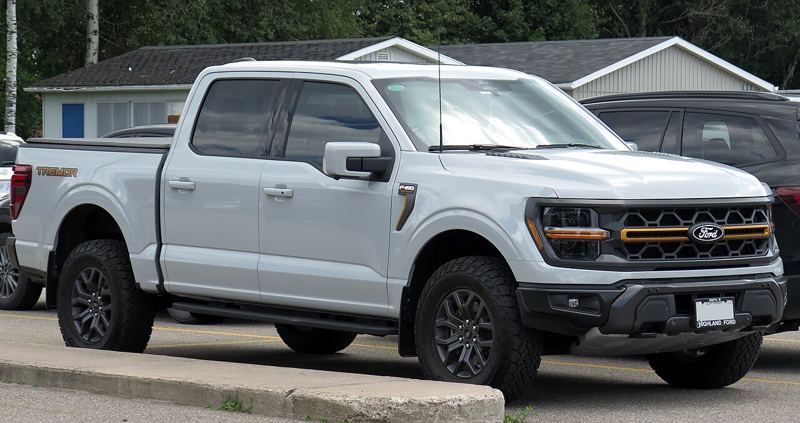 Ford F-Series (F-150)1948–present
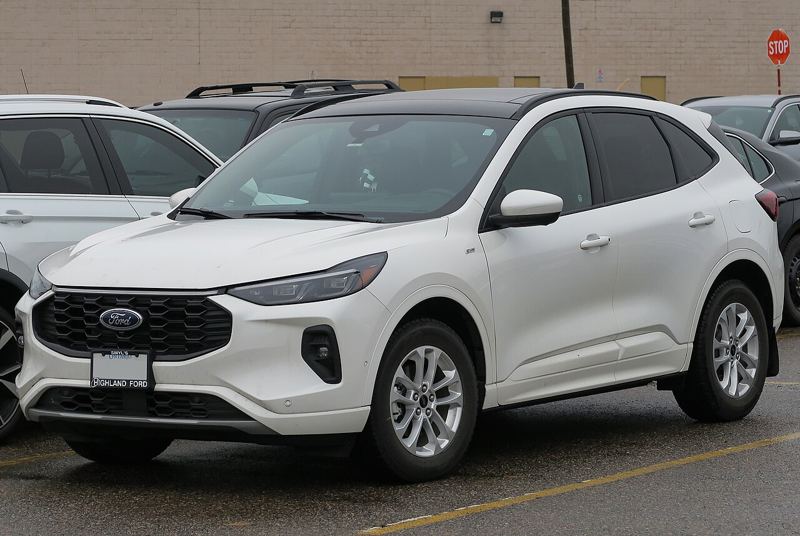 Ford Escape2001–2026
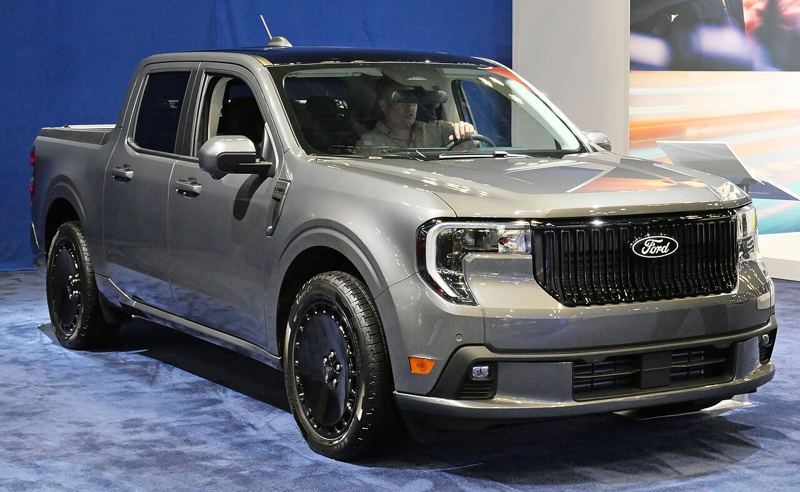 Ford Maverick1970–1977 and 2022–present
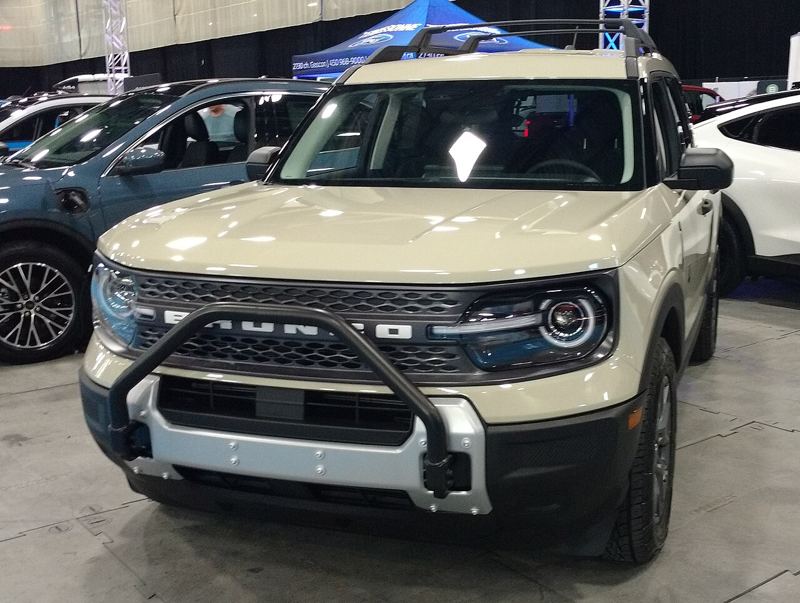 Ford Bronco Sport2021–present
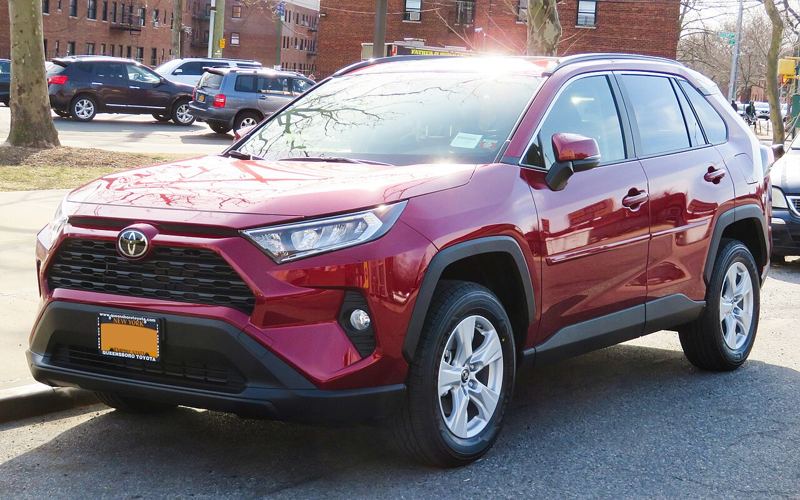 Toyota RAV41994–present (US from 1996)
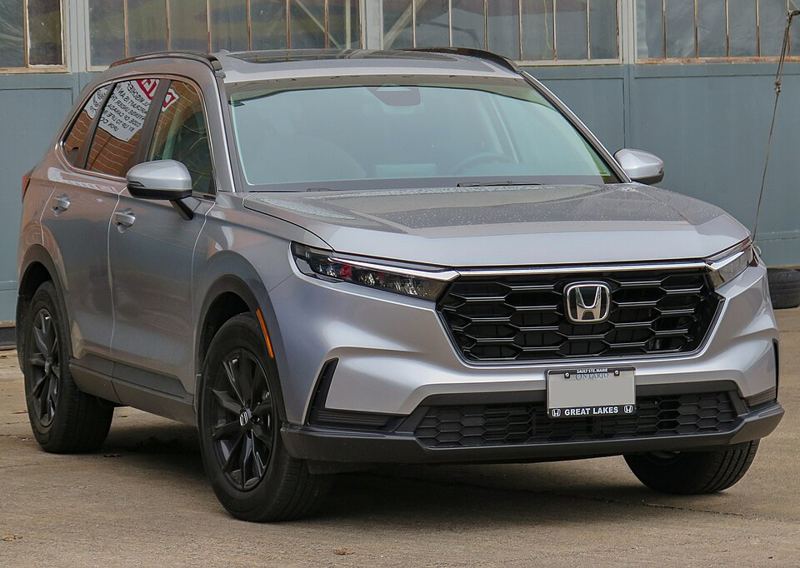 Honda CR-V1995–present
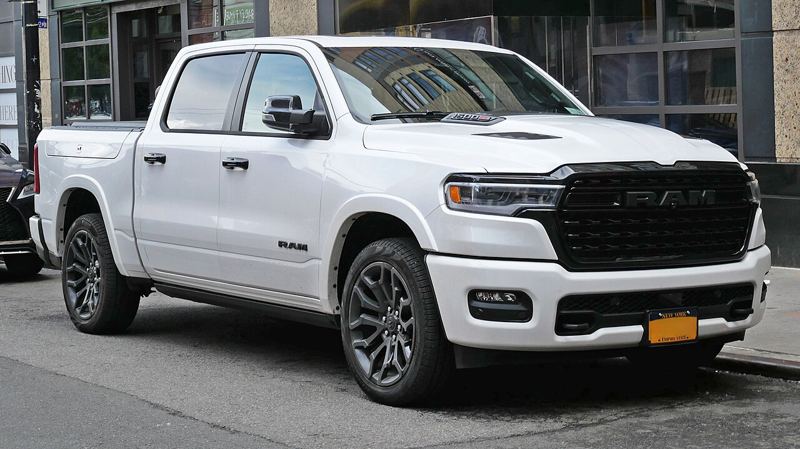 Ram 15001981–present
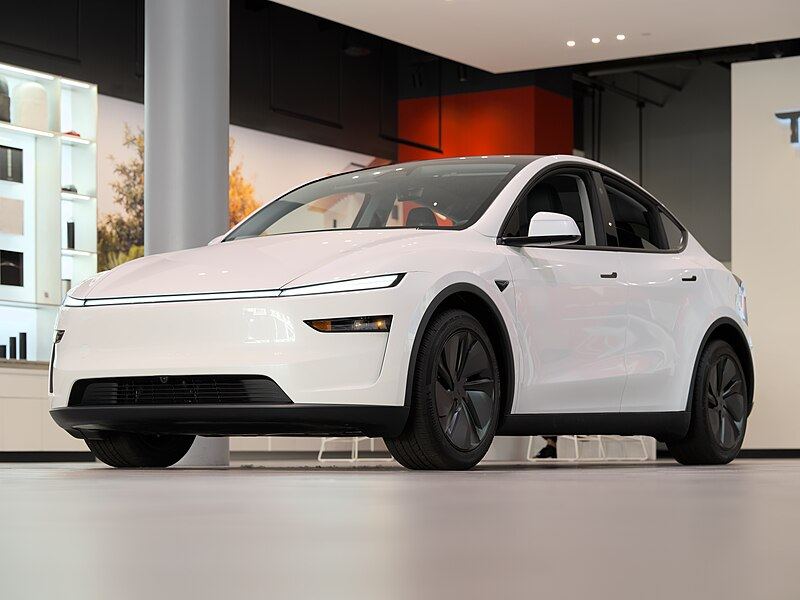 Tesla Model Y2020–present
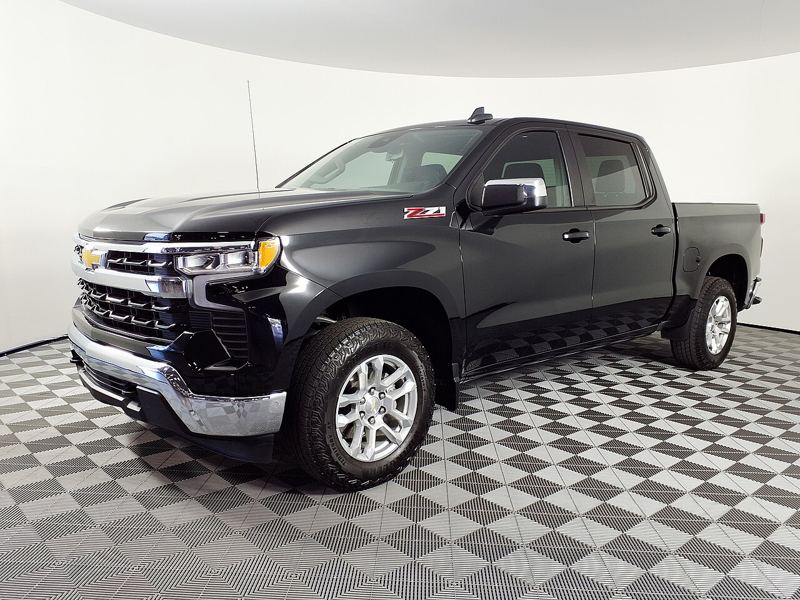 Chevrolet Silverado1999–present


