
GMC Terrain
Compact SUV · 2010–present. 82,100 units sold in the US in 2024
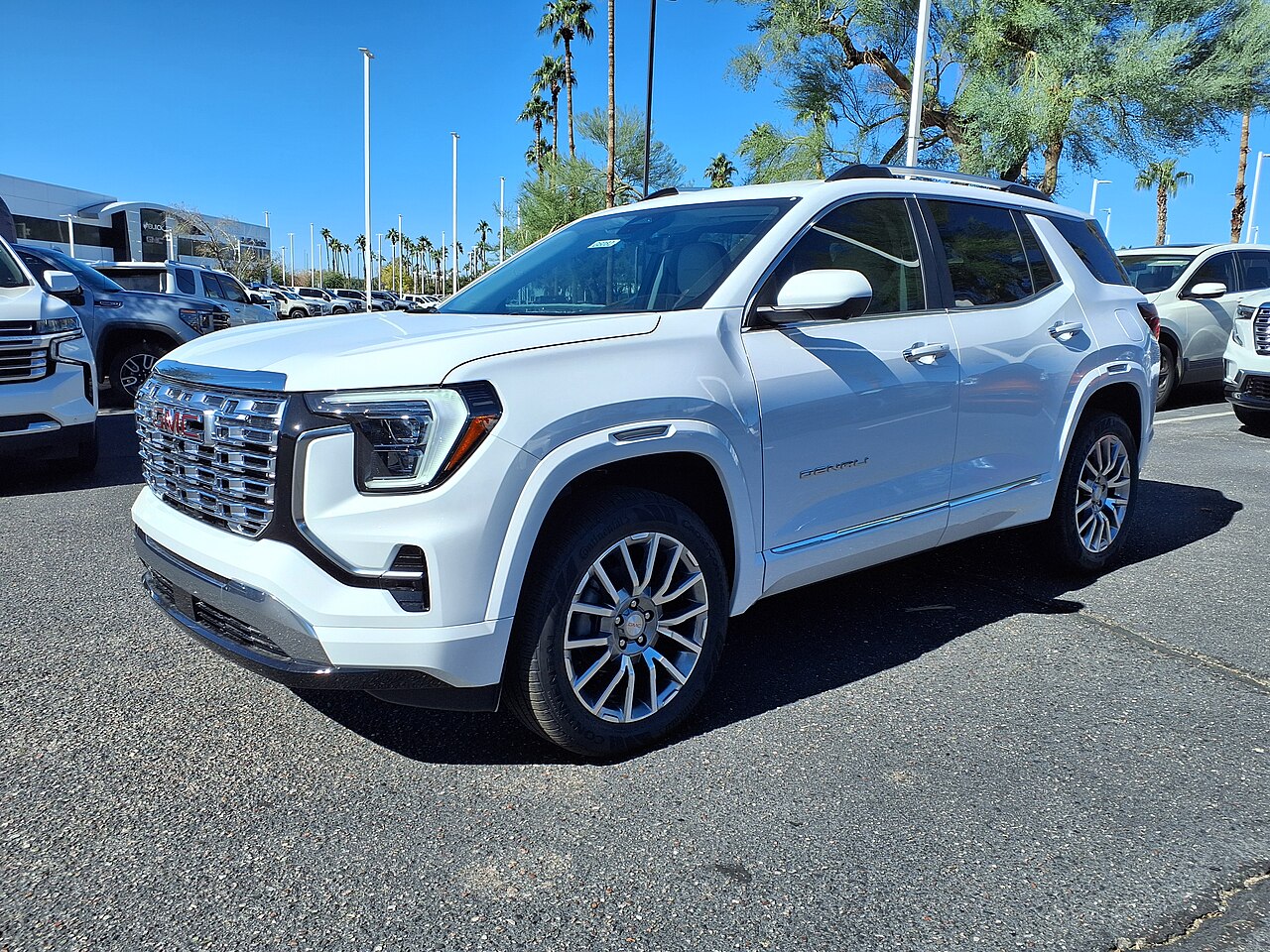
How it began
General Motors created it for its GMC brand as a sibling of the Chevrolet Equinox, with the same mechanicals but no shared body panels. At launch the brand's voices were Susan Docherty, Buick-Pontiac-GMC vice president, and John Cafaro Jr., GM's director of exterior design for Global Crossover Vehicles, who set out to give it its own identity and a strong stance. The third generation was introduced by Duncan Aldred, global vice president of Buick and GMC.
The first generation was built at GM's CAMI plant in Ingersoll, Ontario, Canada. Since April 2017 the Terrain has been assembled at GM's complex in San Luis Potosí, Mexico, which built 702,371 second-generation units through June 2024. The third generation, the one sold in the U.S. today, is also built in San Luis Potosí.
It debuted at the New York International Auto Show in April 2009 as a 2010 model. It reached U.S. dealers in September 2009, starting at $24,995 with front-wheel drive and $26,745 with all-wheel drive, including destination.
Terrain is simply the English word for the ground you drive on, in line with GMC's go-anywhere image. The GM sources we checked do not give an official explanation of why the name was chosen.
GMC, best known for pickups and big SUVs, wanted into the fast-growing compact crossover segment and to reach more buyers. GM was targeting people leaving truck-based SUVs for crossovers that are easier to drive and use less fuel while keeping much of the room and hauling ability. The idea was to put GMC's rugged look into a smaller, more efficient package.
Generation by generation
- Gen. 12010–2017 · Theta
GMC's first compact crossover
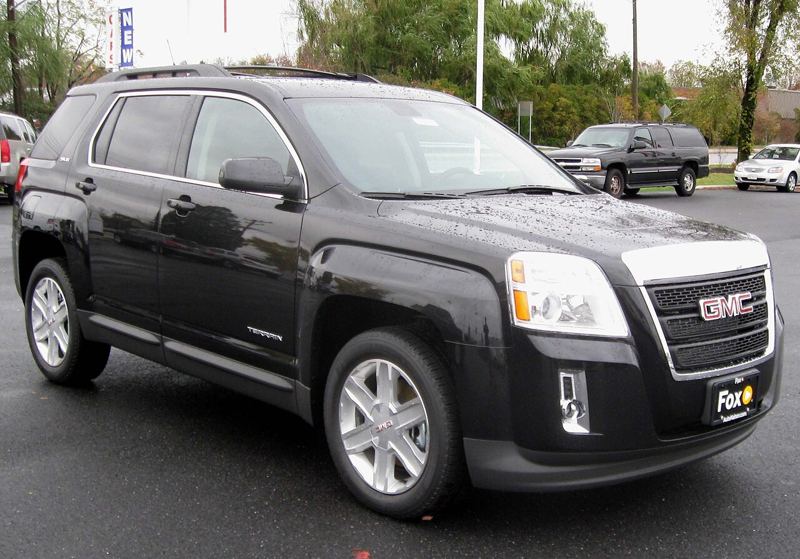
Photo: IFCAR · Public domain What changed. It was an all-new model for GMC: five seats, front- or all-wheel drive and a boxy look with muscular fender flares and a three-element grille. It offered a 2.4-liter direct-injection four with 182 hp and up to an EPA-estimated 32 mpg highway, or a 264 hp 3.0-liter V6, both with a six-speed automatic. The MultiFlex rear seat slid nearly 8 inches to trade legroom for cargo room. For 2013 the Denali trim and a 301 hp 3.6-liter V6 arrived.
The innovation. It was the first GM vehicle with Active Noise Cancellation: microphones pick up low-frequency sounds in the cabin and the audio system cancels them out. It was standard with the 2.4-liter engine, along with a rear-vision camera on every trim.
If you buy one usedThe best-documented item is the 2.4-liter engine. GM opened special coverages for excessive oil consumption (less than 2,000 miles per quart) from piston ring wear on 2.4-liter Terrains from 2010 (bulletin 14159), 2011 (15285) and 2012 (16118), and another for balance chain wear and fuel pump leaks on 2010–2011 models (12313). Those programs have age and mileage limits measured from the original in-service date; ask a GMC dealer about VIN eligibility and repair receipts, and check the oil level often. NHTSA also lists recalls 22V137 (headlamp glare, 2010–2017) and 16V582 and 22V165 (corroded wiper module, 2013–2015). Check by VIN that they were done. - Gen. 22018–2024 · D2UX
Smaller, lighter, and buttons instead of a shifter
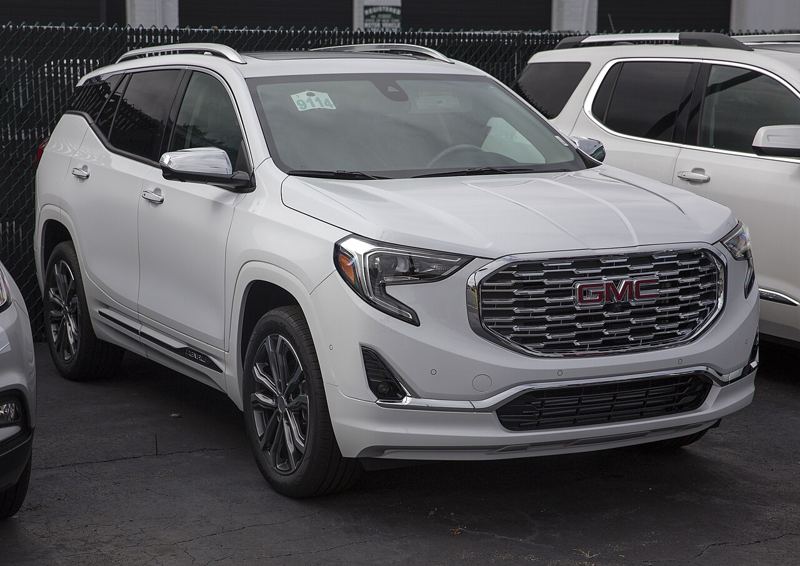
Photo: Mr.choppers · CC BY-SA 3.0 What changed. Revealed in Detroit in January 2017, it came out about three inches shorter, with a wheelbase 5.2 inches shorter and about 400 pounds lighter, without losing much interior room. It swapped naturally aspirated engines for turbos: a 170 hp 1.5-liter, a 252 hp 2.0-liter (both with a nine-speed automatic) and a 137 hp 1.6-liter diesel. The diesel was dropped for 2020 because of low demand. In 2021 it got a new face with C-shaped headlamps, the new AT4 trim and the GMC Pro Safety package as standard.
The innovation. The Electronic Precision Shift selector, a first for GM: instead of a lever, a row of buttons and triggers at the base of the dash. P, N and L are pushed while D and R are pulled to prevent mistakes, and Park engages only below 3 mph. That freed the center console for storage.
If you buy one usedNHTSA lists several recalls for this generation: an airbag module that could stay inactive after shutdown (18V340, 2018), a right front intermediate driveshaft that could fracture (17V516, 2018), a start/stop accumulator endcap missing bolts that could leak transmission fluid and cause loss of drive (20V668, 2018–2020), Hankook tires at risk of tread separation (21V612, 2021–2022), LATCH child-seat bars with excess coating (23V339, 2020–2023), passenger detection that might not turn off the airbag for a child in vehicles with ventilated front passenger seats (22V929, 2023) and door strikers that could fracture and let a door open (23V869, 2024). All have a free remedy; check by VIN. - Gen. 32025–present
A truck face and a 15-inch screen
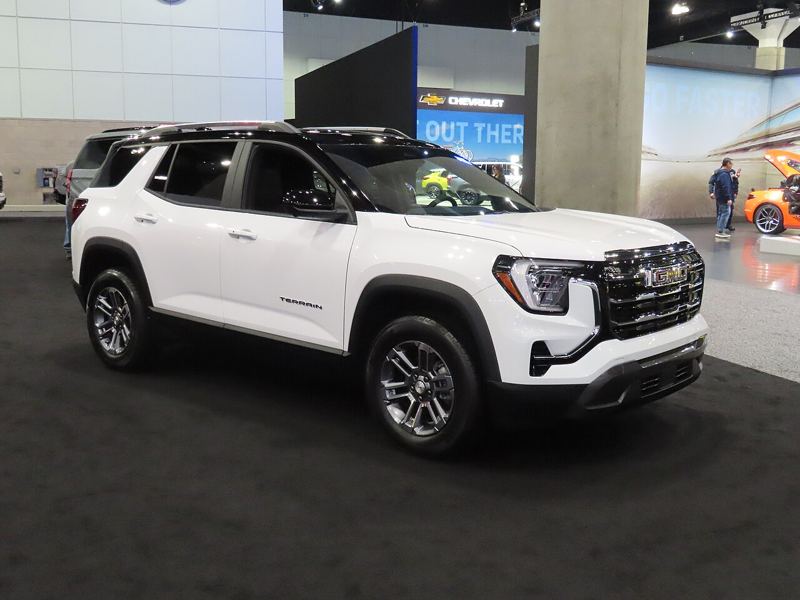
Photo: HJUdall · CC0 What changed. Revealed on August 12, 2024, it has a grille inspired by GMC's pickups, new headlamps and, for the first time on a Terrain, a two-tone roof. At launch it used a single 175 hp 1.5-liter turbo: 203 lb-ft with all-wheel drive and an eight-speed automatic, or 184 lb-ft with front-wheel drive and a CVT. It is 181 inches long on a 107.5-inch wheelbase and offers 63.5 cubic feet of cargo space with the seats folded. The trims are Elevation, AT4 (lifted, with all-terrain tires) and Denali.
The innovation. A 15-inch infotainment screen with Google built in (Google Maps and Google Assistant), an 11-inch digital gauge display and up to eight camera views, including a camera rearview mirror, a first for the Terrain.
If you buy one usedFor certain 2026 Terrains, NHTSA campaign 26V114 concerns a radio configuration that can prevent the electronic owner's manual from downloading. The dealer resets the radio at no cost. Check current campaigns by VIN before buying.
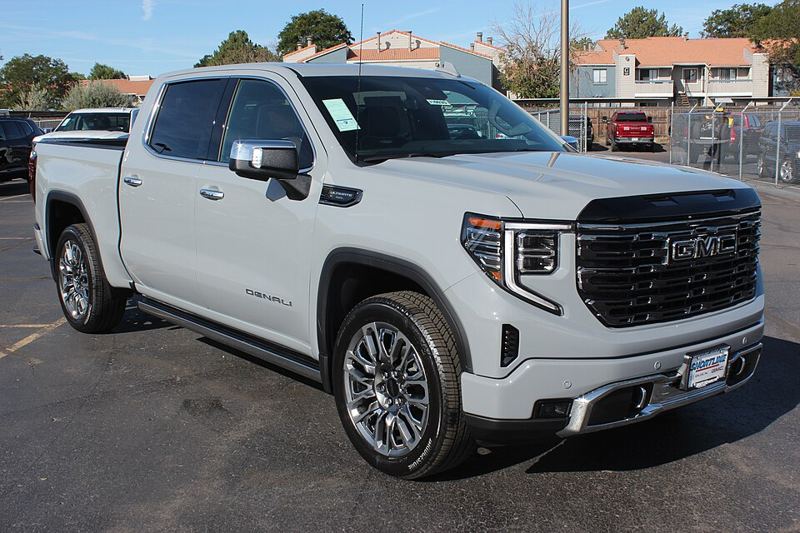 GMC Sierra 15001988–present
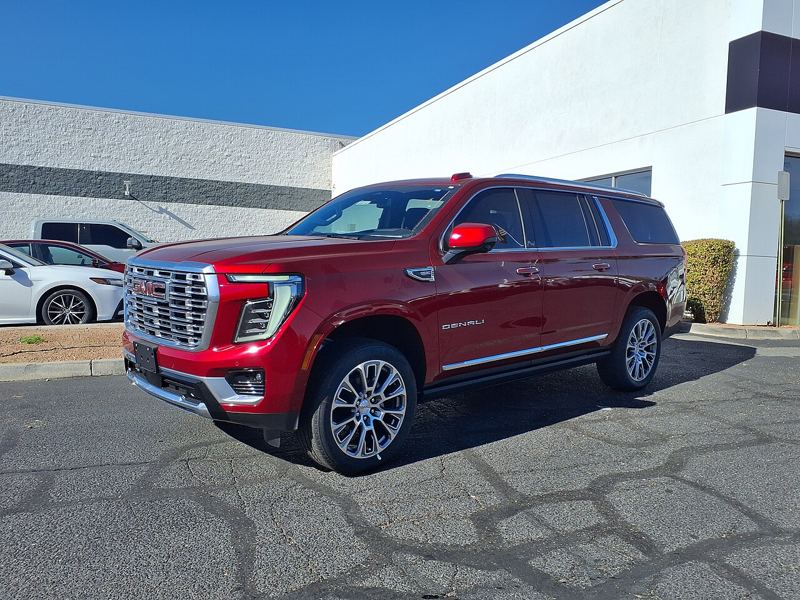 GMC Yukon1992–present
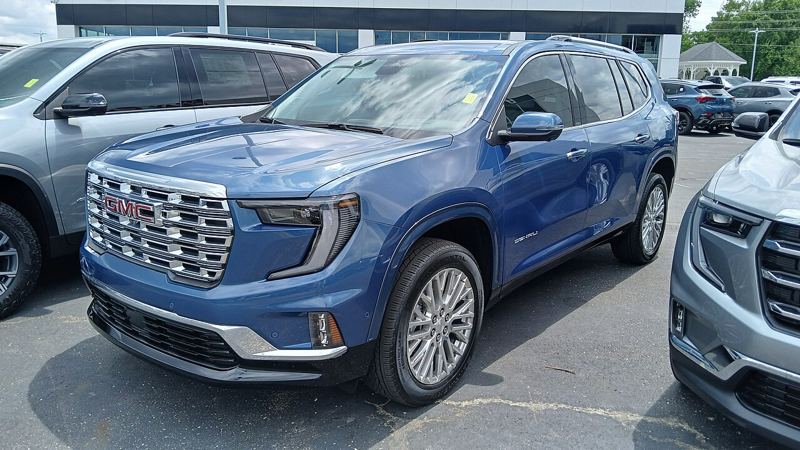 GMC Acadia2007–present
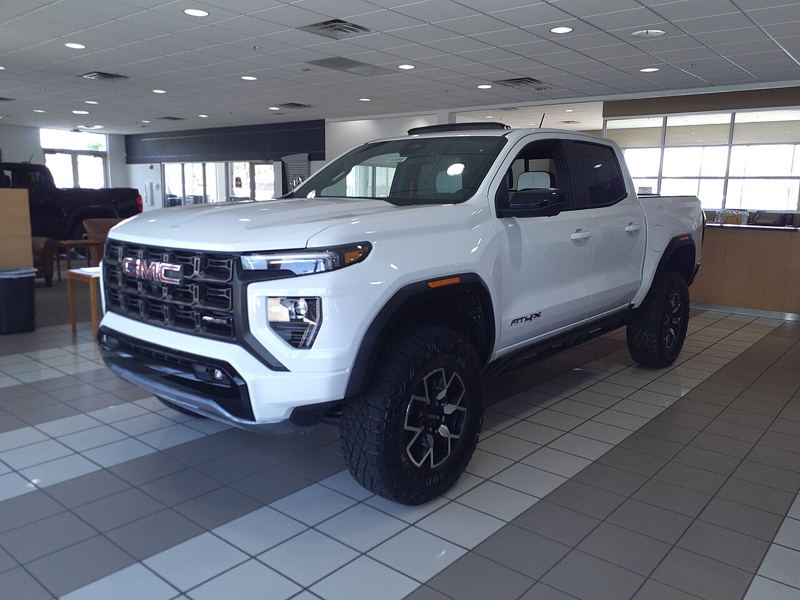 GMC Canyon2004–present
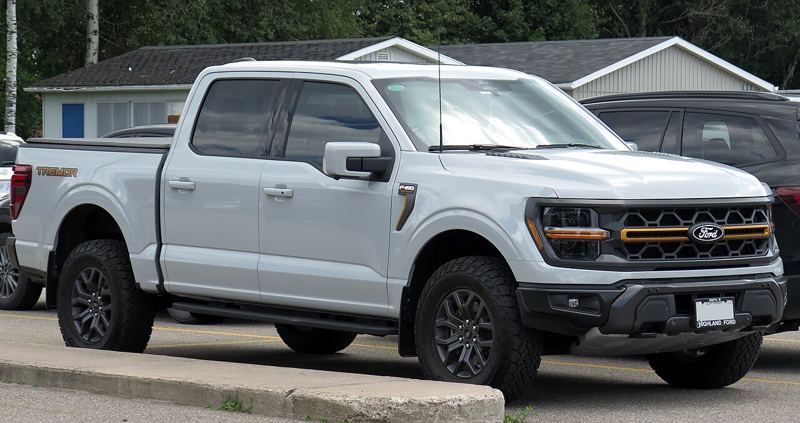 Ford F-Series (F-150)1948–present
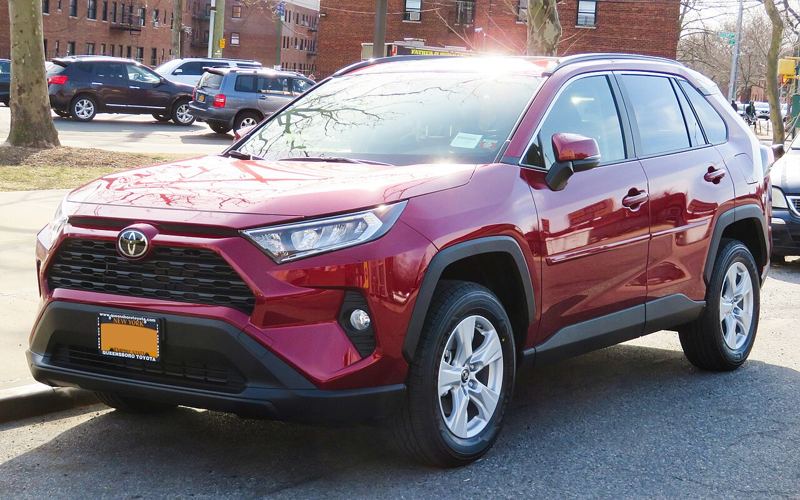 Toyota RAV41994–present (US from 1996)
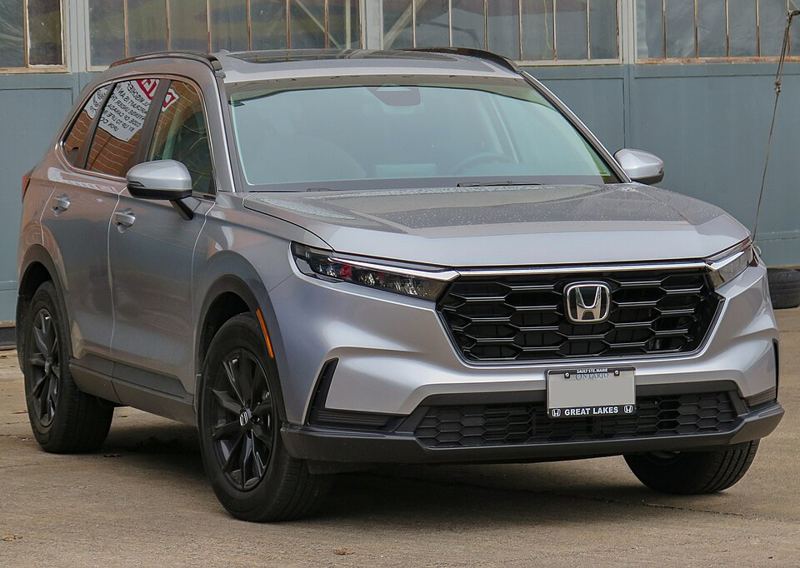 Honda CR-V1995–present
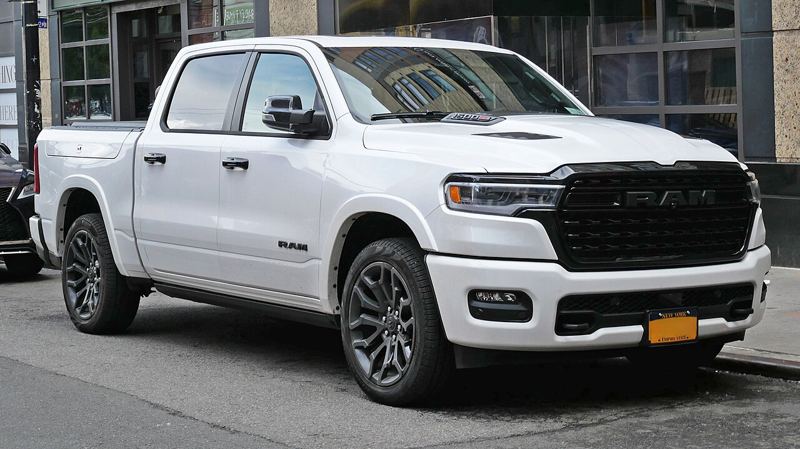 Ram 15001981–present
 Tesla Model Y2020–present


