
Subaru Impreza
Compact car · 1993–present. 31,366 units sold in the US in 2024
How it began
It was created by Fuji Heavy Industries, the Japanese company that builds Subaru cars, and is sold in the U.S. by its subsidiary, Subaru of America. Subaru does not name the original chief engineer or designer on the pages consulted. Documented executives in its story include Ikuo Mori, CEO of Fuji Heavy Industries in 2007, and Thomas J. Doll and Tom Easterday, who celebrated the first U.S.-built Impreza in 2016.
Subaru’s original records state that Impreza had historically been produced only in Japan before U.S. production began. The first American-built Impreza rolled off Subaru of Indiana Automotive’s line in Lafayette, Indiana on November 1, 2016; the parent company announced the event from Tokyo on November 2. The U.S. MY2027 Impreza is assembled in Gunma, Japan.
It debuted at the 1992 Los Angeles Auto Show. Subaru of America launched it in 1993 as an all-new subcompact; the 1993 model had a 1.8-liter, 110 hp engine.
Subaru says Impreza was coined from the English word impresa, meaning an emblem or motto. That English word has Italian ancestry, as recorded by the American Heritage Dictionary. Subaru’s original naming explanation adds an image of youth, lightness and sportiness, and a fresh impression for a new era.
Subaru needed to replace a small car that was showing its age: the Loyale in the U.S. (the Leone in other markets). In the middle of a recession, it built the new car on the Legacy's foundation and shared its drivetrain and suspension to save money. The result was a compact with something nobody else offered at the time: all-wheel drive. It also brought a driver airbag and available antilock brakes, which the Loyale never had.
Generation by generation
- Gen. 11993–2001 · GC/GF
The compact that dared to go all-wheel drive
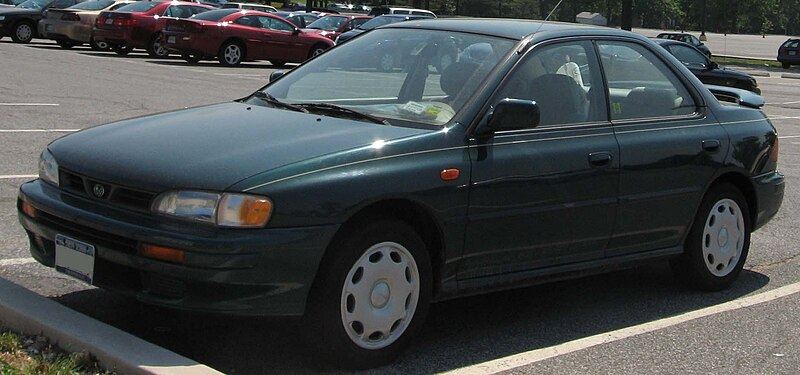
Photo: IFCAR · Public domain What changed. It replaced the Loyale with a subcompact sedan and wagon, a 1.8-liter, 110 hp boxer engine, and a choice of front-wheel drive or full-time all-wheel drive. In August 1994 the Impreza Coupe arrived, designed and produced for the American market. The Outback Impreza Sport followed for 1997, and the rally-inspired 165 hp Impreza 2.5 RS coupe for 1998.
The innovation. Subaru describes it as a pioneer of the compact segment: it was the only vehicle of its time to offer all-wheel drive there. The 2.5 RS, according to Subaru, was the precursor to the WRX in the U.S.
If you buy one usedFor a vehicle of this age, assess its actual condition, maintenance and intended use before buying. NHTSA lists recall 93V072 for the 1993 model (the fuel filler system did not meet the FMVSS 301 leakage standard) and 98V315 for 1994 and 1995 models (the airbag could deploy if the tow hooks struck curbs, speed bumps or potholes). Ask for proof the work was done. - Gen. 22002–2007 · GD/GG
The WRX comes to America
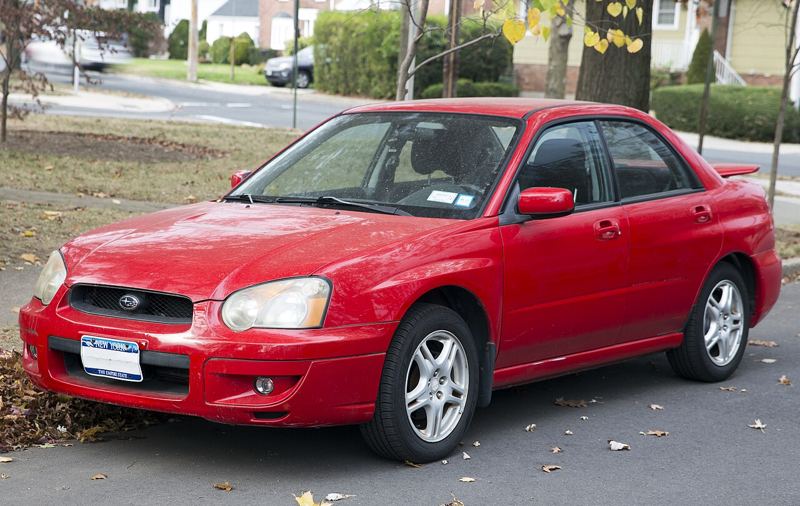
Photo: Mr.choppers · CC BY-SA 3.0 What changed. The new Impreza WRX sedan and Sport Wagon were unveiled in Detroit on January 9, 2001 as MY2002 vehicles. The WRX used a turbocharged 2.0-liter boxer rated at 227 hp and 217 lb-ft; MotorWeek recorded 0–60 mph in 5.6 seconds with the manual sedan and quoted $24,520. Subaru’s original launch list gives $23,995 MSRP plus $525 destination for that sedan. Subaru introduced the MY2004 WRX STI at Detroit in 2003 and refreshed the Impreza model line for MY2006.
The innovation. The WRX was, in MotorWeek's words, America's first taste of the high-performance Subarus previously sold only overseas. The 2004 WRX STI raised the stakes with a 2.5-liter turbo engine of some 300 hp.
If you buy one usedCheck these three groups of NHTSA campaigns. 11V464 covers 2002–2007 cars from road-salt states: the front lower control arms can break from corrosion. The 2004–2007 models are part of the Takata passenger airbag campaigns (for example 15V323, 16V358 and 20V001). And 08V135 covers 36,791 2002–2003 wagons whose rear gate could drop. Takata eligibility includes historical sale/registration zones. A previous same-design inflator replacement can still require the alternate-inflator remedy under 20V001. - Gen. 32008–2011 · GE/GH
A five-door hatch and a new suspension
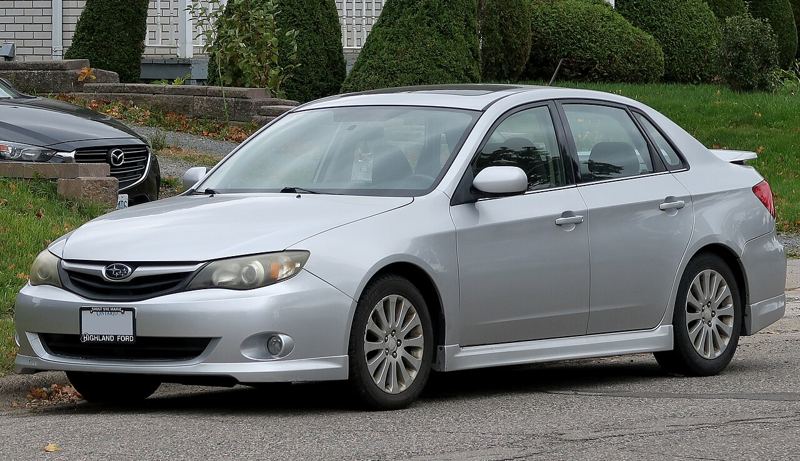
Photo: Elise240SX · CC BY-SA 4.0 What changed. It was unveiled at the New York auto show in April 2007 as a four-door sedan (unique to North America) and a five-door hatchback. The wheelbase grew 3.7 inches to 103.1, and the cabin gained 2 inches. The 2.5i made 170 hp and the WRX, now with a 2.5-liter turbo engine, 224 hp. Subaru aimed to attract younger buyers.
The innovation. It introduced a double-wishbone rear suspension, which improved ride and handling and left a deeper, wider trunk. The engine also sat slightly lower to lower the center of gravity.
If you buy one usedCertain vehicles in every model year of this generation are included in the Takata passenger airbag campaigns (16V358, 17V014, 20V001 and others). In road-salt states, recalls 14V311 and 14V830 address brake line corrosion. 19V297 covers replacement ignition switches that could shut the engine off, and 19V149 the sedans' brake light switch. Turbo models from 2008–2014 also have 16V738 (secondary air pump relay). An earlier same-design Takata inflator replacement may still require alternate-inflator work under 20V001. Vehicles repaired under 14V311 before December 23, 2014 may need the additional 14V830 rustproofing; confirm current VIN-specific completion. - Gen. 42012–2016 · GJ/GP
The most efficient all-wheel-drive car
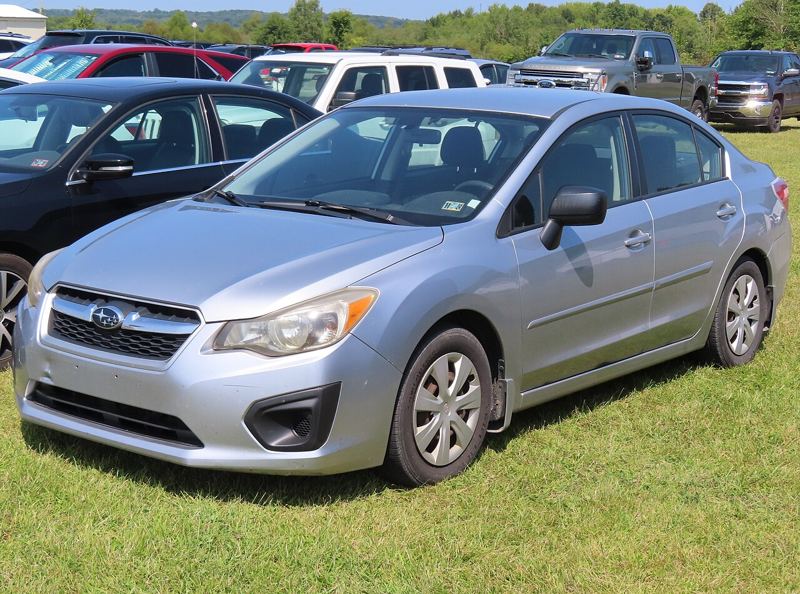
Photo: MercurySable99 · CC BY-SA 4.0 What changed. It debuted at the New York auto show in April 2011 as a sedan and hatchback, both with standard all-wheel drive. It swapped the 2.5-liter engine for a 2.0-liter, 148 hp boxer and weighed up to 165 pounds less. With the CVT it delivered 27 mpg city and 36 highway, and it started at $17,495. Starting with the 2015 model year, the WRX dropped the Impreza name and became a separate model.
The innovation. The second-generation Lineartronic CVT, more compact than before, together with electric power steering and low-rolling-resistance tires, improved combined fuel economy by 36 percent. Subaru billed it as the most fuel-efficient all-wheel-drive car on sale in the U.S.
If you buy one usedRecall 18V772 covers 2012–2014 models: the engine valve springs could fracture and stall the engine. 19V149 covers the brake light switch on 2008–2016 sedans and 2012–2016 wagons: it could keep the brake lights off or stop the car from starting. Confirm both with the VIN. - Gen. 52017–2023 · GK/GT
A new platform, built in Indiana
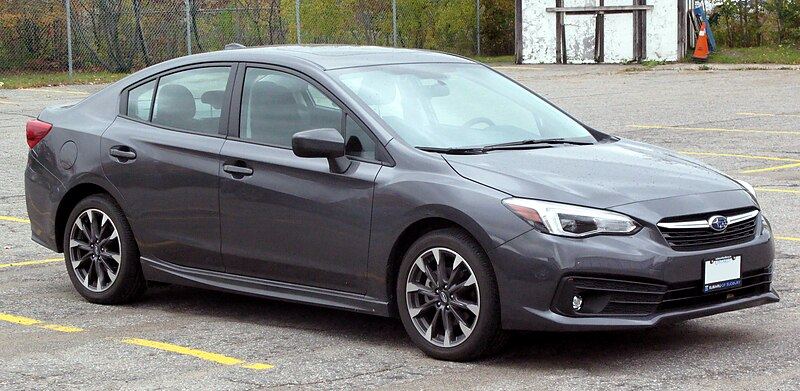
Photo: SsmIntrigue · CC BY-SA 4.0 What changed. It was the first Impreza built in the U.S.: it rolled off the line in Lafayette, Indiana, on November 1, 2016, after a $1.3 billion investment in the plant over the preceding four years. It came as a sedan and hatchback, with a 2.0-liter direct-injection boxer making 152 hp. It started at $18,395 and included Apple CarPlay and Android Auto from the base trim; EyeSight was optional.
The innovation. It was the first vehicle on the Subaru Global Platform. According to Subaru, the new structure increased body rigidity by more than 70 percent and crash energy absorption by 40 percent.
If you buy one usedLook for these NHTSA recalls: 19V743 and 21V264 (2017–2019, the engine computer could keep powering the ignition coil and blow a fuse), 19V744 and 19V745 (2017–2018, the aluminum PCV valve could come apart), 21V587 (2018–2020) and 20V218 (2019) for the low-pressure fuel pump, and 22V624 (2017–2019, headlight reflectors). 2023 models also have 23V647 (driveshaft center support bolts). The PCV campaigns have different individual scopes: 19V745 is MY2017 and calls for engine replacement. Vehicles previously repaired under 19V743 remain included in 21V264; check that the newer work was performed. - Gen. 62024–present · GU
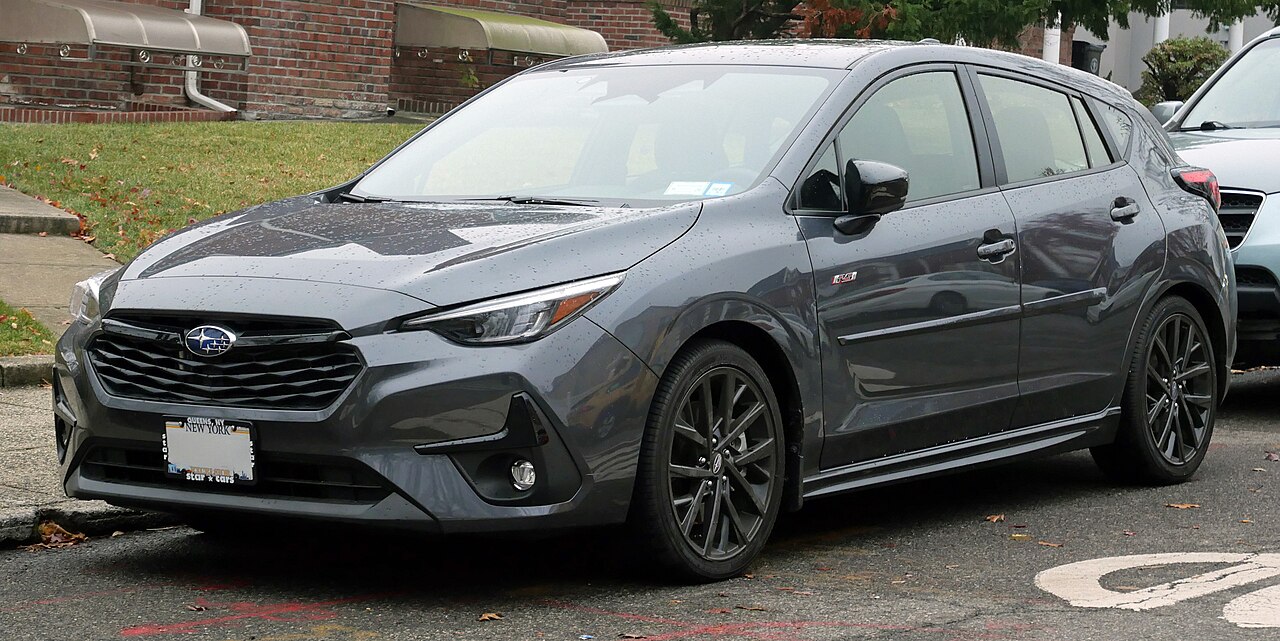
Hatchback only, with standard EyeSight
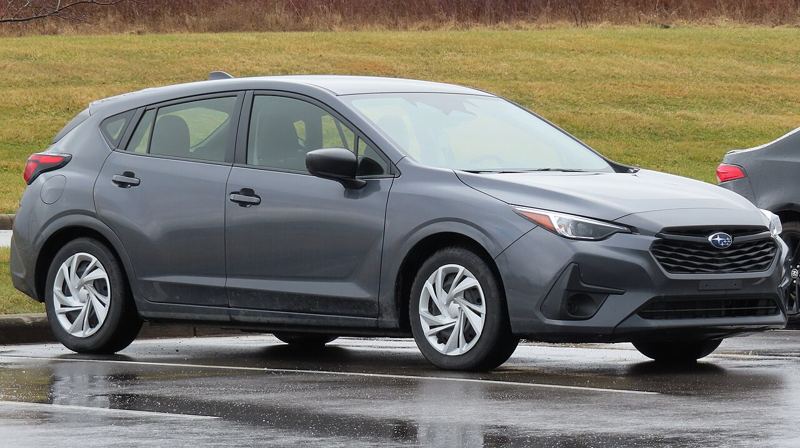
Photo: MercurySable99 · CC BY-SA 4.0 What changed. It debuted at the Los Angeles Auto Show on November 17, 2022, 30 years after the first one. The sedan is gone: it is a five-door hatchback only, with a CVT on every trim. The base and Sport trims used the 152 hp 2.0, and the new RS a 182 hp 2.5. EyeSight driver assist became standard.
The innovation. The Subaru Global Platform gained full inner frame construction and more than three times the structural adhesive (from 26.2 to 88.5 feet), with 10 percent more torsional rigidity. It also brought dual-pinion electric power steering borrowed from the WRX.
If you buy one usedFor the 2024 model, NHTSA lists recall 23V551 (the instrument panel harness could rub a bracket and short-circuit) and 23V754 (the front driveshaft outer race could crack and break). Exact NHTSA queries for Subaru/Impreza, model years 2025 and 2026, returned no campaigns on November 3, 2026; confirm with the VIN.
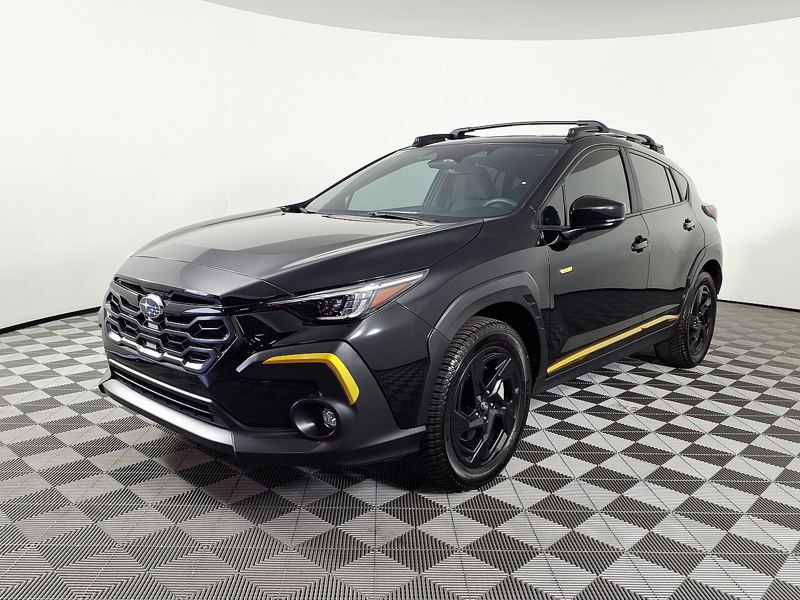 Subaru Crosstrek2012–present
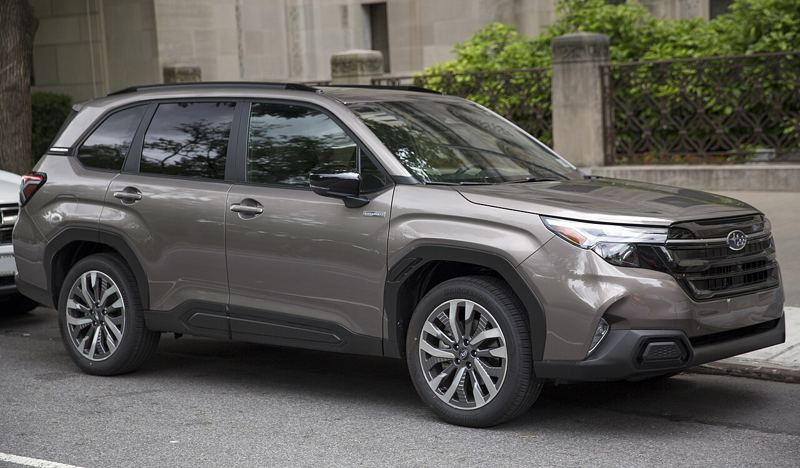 Subaru Forester1998–present
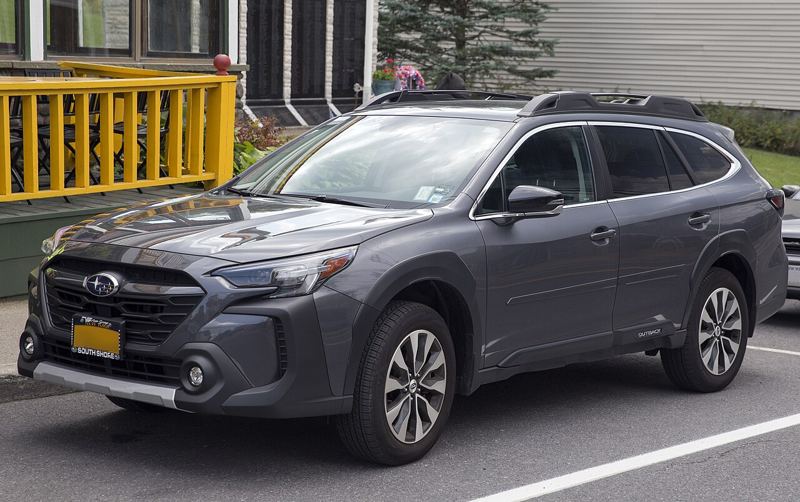 Subaru Outback1995–present
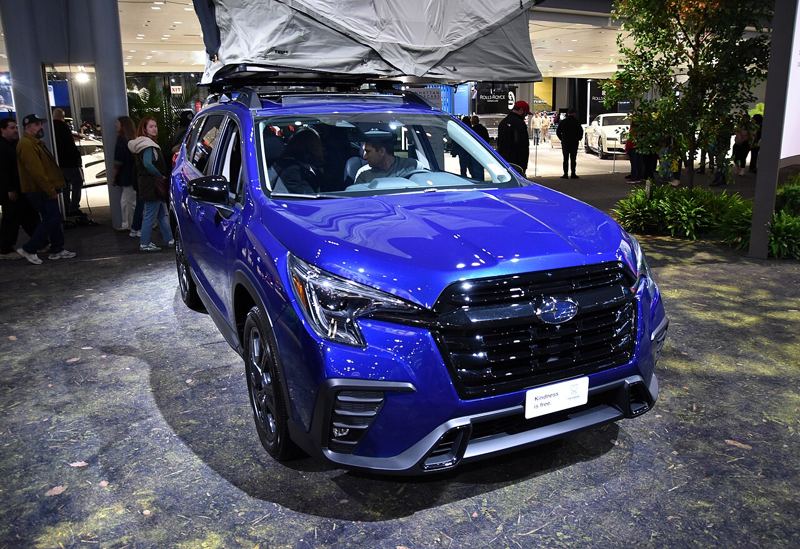 Subaru Ascent2019–present
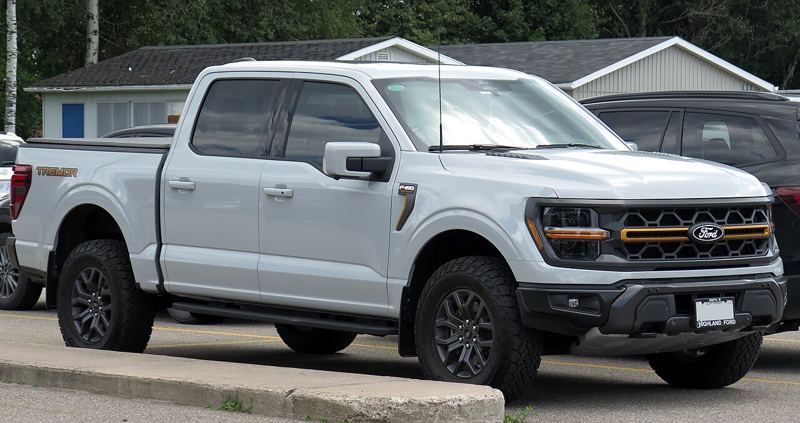 Ford F-Series (F-150)1948–present
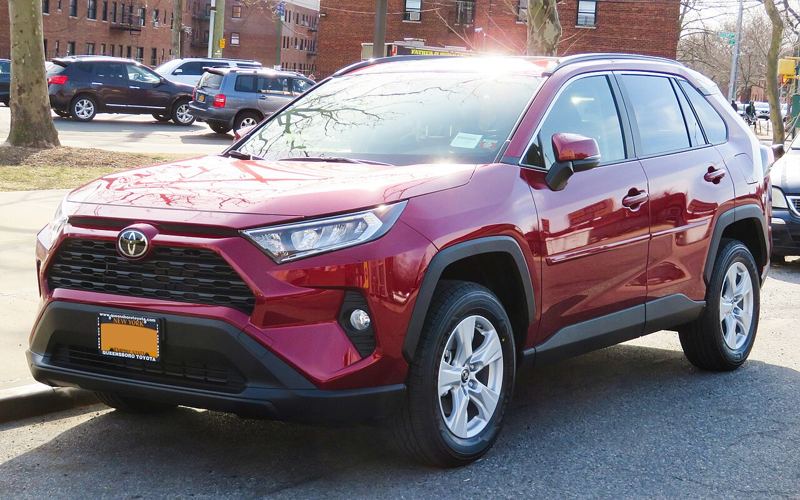 Toyota RAV41994–present (US from 1996)
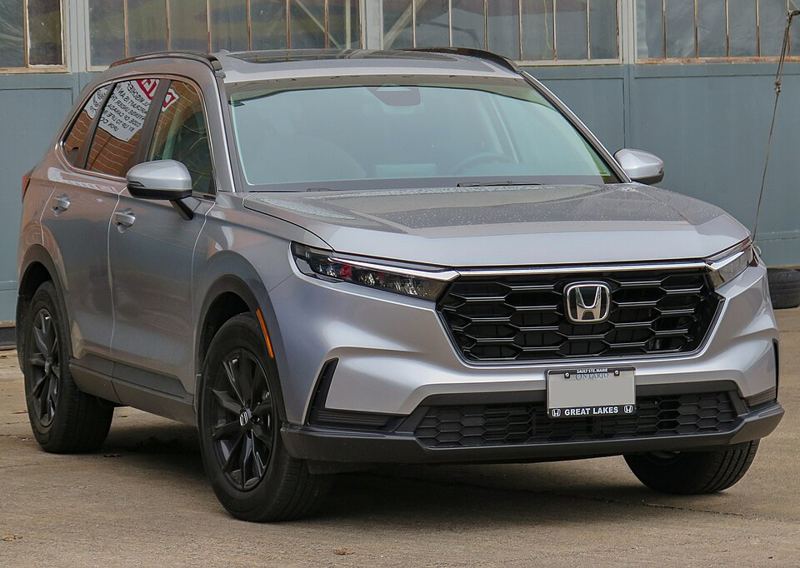 Honda CR-V1995–present
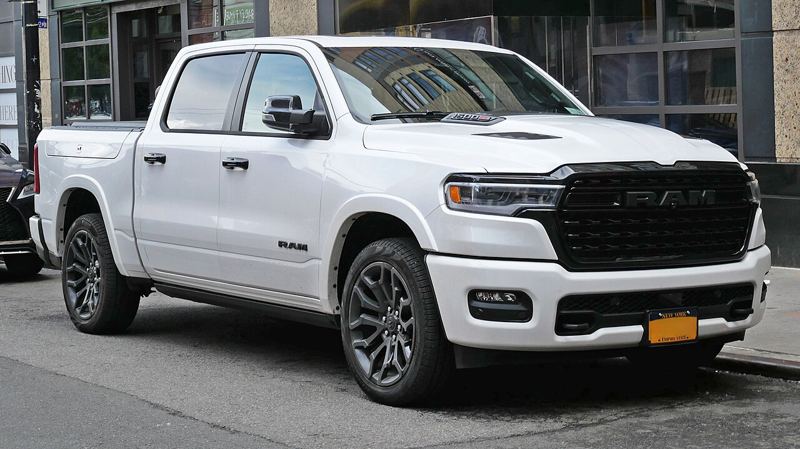 Ram 15001981–present
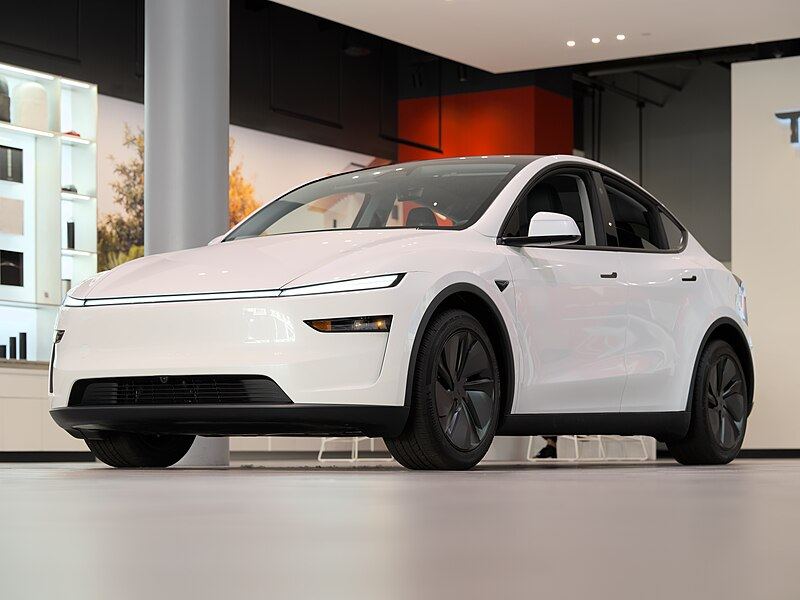 Tesla Model Y2020–present


