
Nissan Altima
Midsize sedan · 1993–present. 113,898 units sold in the US in 2024
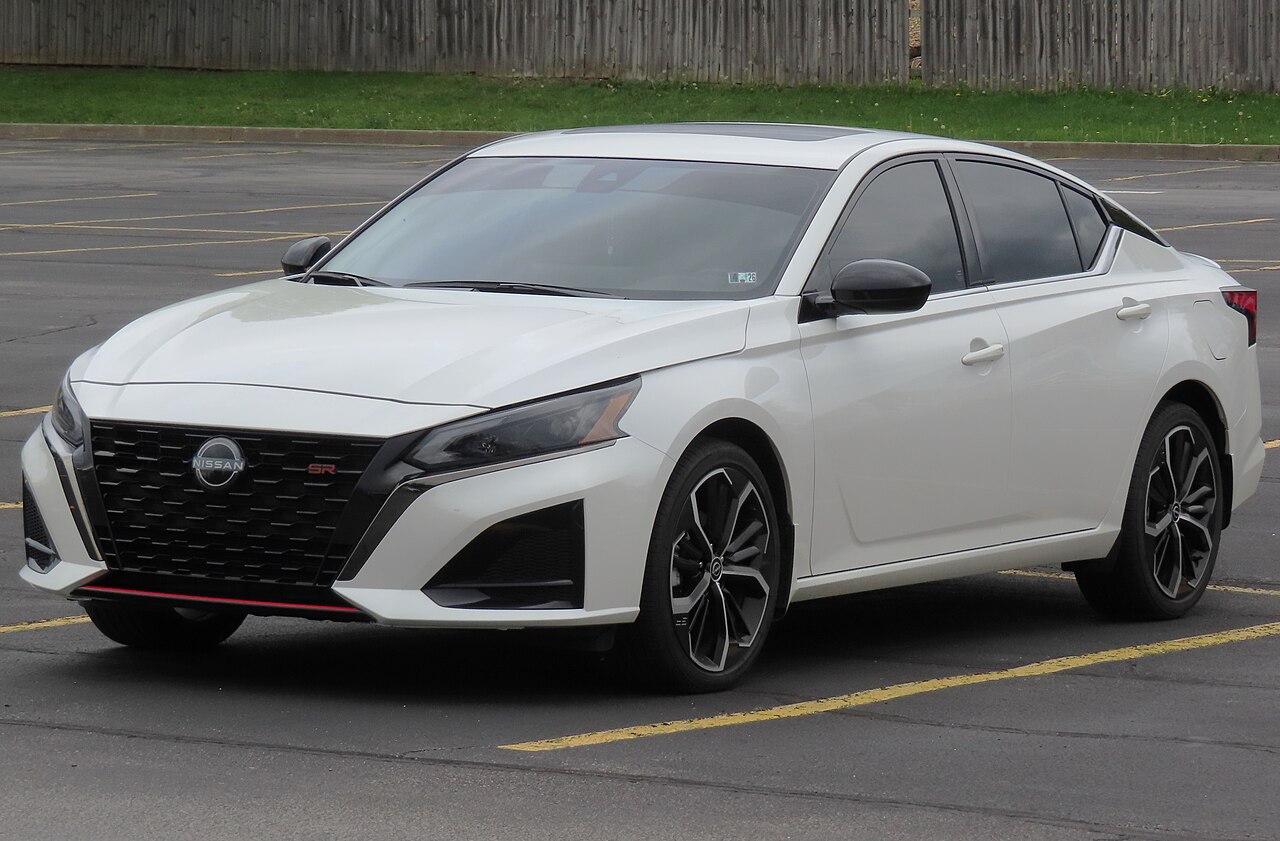
How it began
Nissan created Altima for North America. Its original styling came from Nissan Design International in La Jolla, California, also the studio behind Infiniti J30. Nissan identifies its Michigan R&D organization as the primary engineering team; a period Motor Trend preview also names engineering work in Atsugi, Japan. The checked manufacturer histories credit these organizations rather than identifying the original individual chief designer or engineer. In a 2012 retrospective, sales and marketing VP Al Castignetti described the third generation’s goal as moving beyond copying Accord and Camry.
It was designed in California and built from day one in Smyrna, Tennessee. Every Altima came from Smyrna until June 2004, when the Canton, Mississippi plant also began building it to meet strong demand. Today the U.S. Altima is assembled in Canton, Mississippi, alongside the Frontier pickup.
The first MY1993 Altima rolled off the Smyrna line on June 11, 1992. Its initial official name was Stanza Altima; Nissan documents a small Stanza sticker beside the Altima trunk emblem on 1993 cars. The checked manufacturer history does not explicitly date the removal of that retail designation.
Nissan’s history recalls Altima as a Laurel midsize-sedan trim sold in Central America and the Caribbean before 1992. A period Motor Trend preview quoted Nissan saying the researched name “suggests a higher order”; that is a brand explanation rather than a verified linguistic derivation. Nissan also recalls distributing pronunciation guidance at launch and later described that concern as unfounded.
Altima replaced the imported Stanza in Nissan’s middle sedan position between Sentra and Maxima. Nissan describes it as a deeper investment in American design, engineering and manufacturing. According to the manufacturer, retaining Stanza in the initial name served regulatory compliance; the checked release does not identify a specific rule or establish a one-year duration.
Generation by generation
- Gen. 11993–1997 · U13
The Stanza that became the Altima
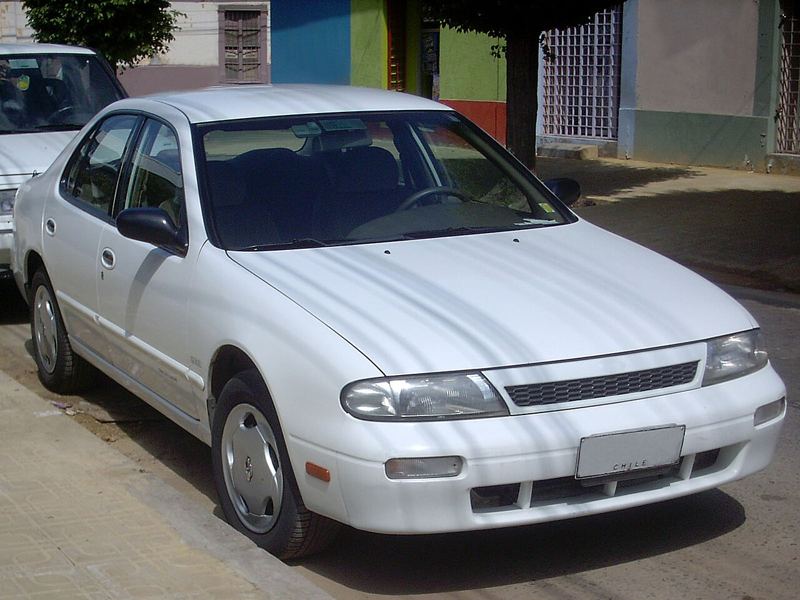
Photo: order_242 from Chile · CC BY-SA 2.0 What changed. It replaced the Stanza, which came from the U12 Bluebird, and used the platform of the next Bluebird, the U13. It was Nissan's first U.S.-built midsize sedan, with a 2.4-liter DOHC four-cylinder making 150 hp and a five-speed manual or four-speed automatic. It came in XE, GXE, SE and GLE trims. It sold about 120,000 units in its first year, more than Nissan expected.
The innovation. The 1993–1994 GLE offered a digital head-up display on a mirrored patch in the windshield, showing speed, turn indicators and warning lights. It also had automatic digital climate control. The manufacturer documents the equipment, while its rarity among similarly priced family sedans has not been independently established here.
If you buy one usedThe 1993 model had only a driver air bag and automatic shoulder belts; 1994 added a passenger air bag. NHTSA lists recall 94V-035 (1993: the throttle cable could keep the engine from returning to idle), 03V-150 (1994 and early 1995: the passenger air bag was replaced with a less powerful one after reports of eye injuries) and 95V-008 (1995: right rear brake hose routed incorrectly). Ask for proof the work was done. - Gen. 21998–2001 · L30
Designed for North America
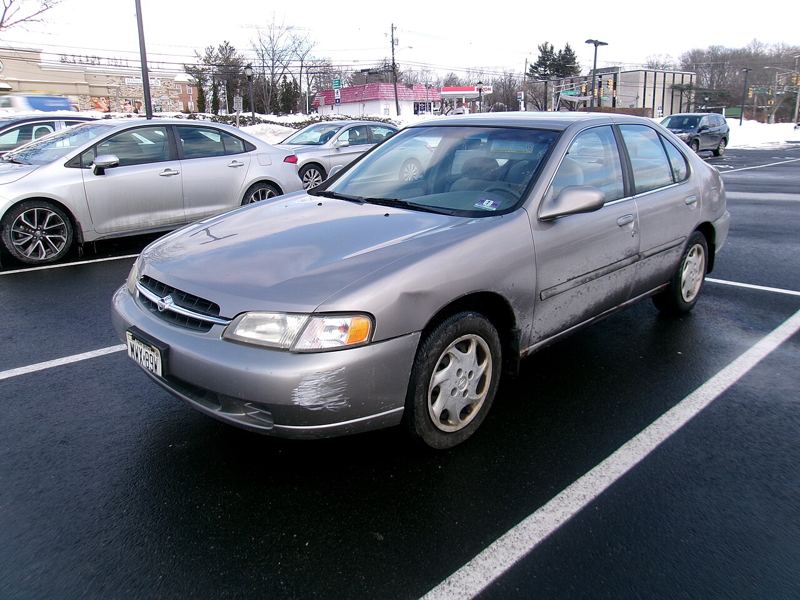
Photo: 2000chevymontecarlo · CC BY-SA 4.0 What changed. Designed in California and built in Tennessee, the second generation served North America rather than only the United States: Nissan’s original sales-network table lists Altima in Canada as of March 31, 2001. It kept the 2.4-liter four, rated at 150 hp before increasing to 155 hp for MY2000. Nissan reported 0–60 mph improving from 8.7 to 8.4 seconds. It gained a folding rear seat except on XE, plus a MY2000 facelift with one-piece headlamps and all-red taillights.
The innovation. For 2000, side air bags became standard on the GLE and optional on the GXE and SE.
If you buy one usedThe exact NHTSA Nissan/Altima queries for model years 1998–2001 on November 3, 2026 list aftermarket replacement equipment and the specified original-equipment Firestone tire campaign, rather than a general Nissan vehicle-component defect campaign. These are dated query results, not a guarantee of no recalls. Check the exact lamp product, tire DOT codes and any replacement front strut mounts: 10E002 also appears for 1998–1999. Campaign 01V065 concerns specified Firestone Firehawk GTA-02 P205/55R16 89H tires on 2000–2001 Altimas; Firestone handles the remedy. Check the VIN and equipment/repair history. - Gen. 32002–2006 · L31
The cure for the common sedan
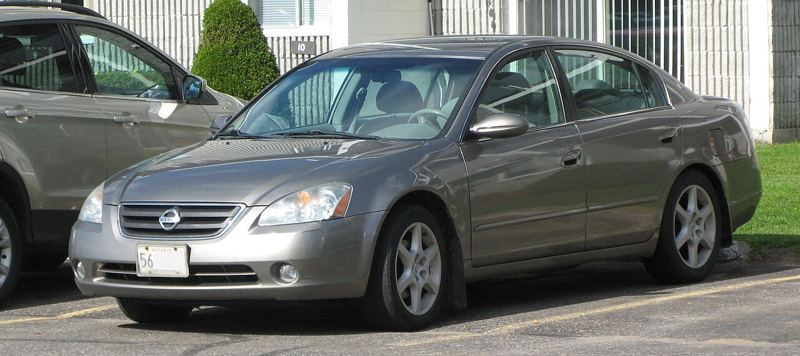
Photo: SsmIntrigue · CC BY-SA 4.0 What changed. It was a complete redesign with a 6.9-inch longer wheelbase and the slogan "The Cure for the Common Sedan." It brought the Altima's first V6, a 240 hp 3.5-liter VQ, alongside a 175 hp 2.5-liter four. Its 118.8 cubic feet of interior space beat the pricier Maxima. The 2005 SE-R added 260 hp and a six-speed manual.
The innovation. It was the first mass-market product on Nissan’s FF-L platform, described by Nissan in its initial North American context as unique to that market. It had four-wheel disc brakes and a redesigned multi-link rear suspension, but these were not Altima firsts: earlier manufacturer documents already specify four-wheel discs, and Nissan’s parts catalog identifies a multi-link rear-suspension application for the 1993–1997 Altima. The third generation won 2002 North American Car of the Year, the first Asian nameplate to do so.
If you buy one usedNHTSA lists crankshaft or camshaft position sensor faults that could stall the engine: campaigns 03V-455 (2002–2003), 06V-242 (2003–2004) and 07V-527 (2002, 2005 and 2006). Confirm the exact engine/VIN scope; 06V-242 and 07V-527 explicitly specify the 2.5-liter engine. There is also 06V-223 (2006, 2.5-liter: excessive oil consumption from the piston rings) and 03V-084 (2002–2003, 2.5-liter: road debris could ignite on the catalyst). Check the oil level and ask for the recall history. For certain 2002 vehicles, 03V-084 also addresses pre-catalyst damage that may increase oil consumption and lead to engine damage/fire under the stated conditions. - Gen. 42007–2012
Enter the CVT and push-button start
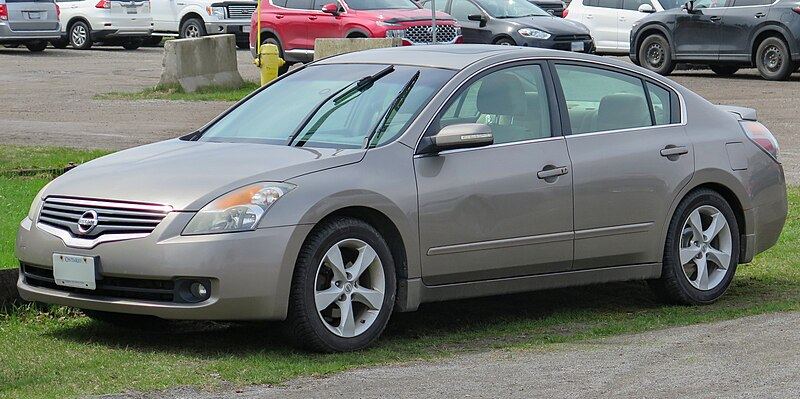
Photo: Elise240SX · CC BY-SA 4.0 What changed. It debuted on April 12, 2006 at the New York Auto Show as the first Altima on Nissan's D platform, with a wheelbase one inch shorter but nearly the same room. The V6 rose to 270 hp and the 2.5-liter four made 175 hp, with a six-speed manual standard. The Altima Coupe arrived for 2008, and from 2007 to 2011 an Altima Hybrid was sold in a limited number of states. From 2010, electronic stability control was standard on every trim.
The innovation. It was the first Altima with the Xtronic CVT as its optional automatic, and it introduced push-button start with Nissan's Intelligent Key to the model.
If you buy one usedNHTSA lists recall 08V-521 (2007–2008: the passenger seat occupant sensor could switch off the passenger air bag), 09V-358 (2009–2010: front strut insulators out of specification) and 11V-371 (2011–2012, some built in Canton: a suspension link bolt might not be tightened properly). Ask for proof the work was done. - Gen. 52013–2018
Lighter, with 38 mpg
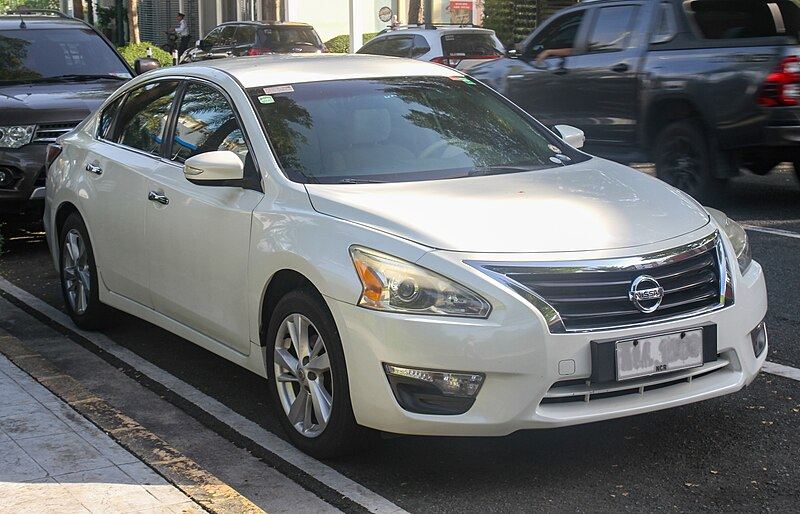
Photo: Ethan Llamas · CC BY-SA 4.0 What changed. Production of the MY2013 model began May 15, 2012, with showroom arrival planned for that summer. It was about 80 pounds lighter, using an aluminum hood, other aluminum parts and more high-tensile steel. The launch 2.5-liter made 182 hp with an EPA highway rating of 38 mpg; the 3.5-liter V6 made 270 hp. Nissan listed Smyrna and Canton vehicle assembly and Decherd engine manufacturing. The revised May 1, 2013 price table listed base MSRP from $21,760; the original production announcement had quoted $21,500. The SR grade arrived for MY2016, with Apple CarPlay and Android Auto availability for MY2018.
The innovation. It introduced Zero Gravity front seats, inspired by NASA research on the body's neutral posture, and a new CVT with 70 percent of its parts redesigned and up to 40 percent less internal friction.
If you buy one usedNHTSA lists several recalls for the secondary hood latch, which could bind or corrode: 14V-565 (2013), 15V-116 and 16V-029 (2013–2015) and 20V-315 (2013–2018). Also 17V-040 and its follow-up 18V-915 (2015–2017: lowering a rear window could unlatch that door) and 16V-244 (2013–2016: passenger occupant sensor). Ask for proof the work was done. An earlier repair may not close the applicable follow-up: 20V-315 applies even after 16V-029 work; 18V-915 addresses vehicles previously repaired under 17V-040. - Gen. 62019–present
All-wheel drive and a variable-compression engine
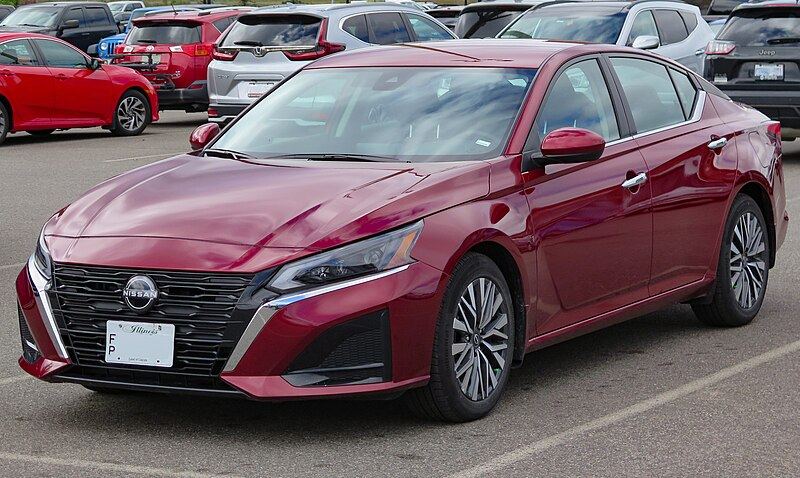
Photo: Elise240SX · CC BY-SA 4.0 What changed. It debuted March 28, 2018 at the New York Auto Show, lower and wider and inspired by Vmotion 2.0. Launch engines included a 188 hp 2.5-liter four and a 2.0-liter VC-Turbo rated at 248 hp on premium fuel. It introduced Altima’s first available all-wheel drive and offered ProPILOT Assist driver assistance; AWD and VC-Turbo were separate powertrain configurations. Production began in Smyrna in August 2018 and also in Canton. Nissan’s subsequent December 2018 update listed the new model as offered, consistent with its announced fall showroom arrival.
The innovation. The VC-Turbo was Nissan's first production-ready variable-compression engine: it changes its compression ratio between 8:1 (more power) and 14:1 (more efficiency) by moving the pistons' top position with an electric motor.
If you buy one usedIf you are looking at a 2019–2020 with the 2.0 VC-Turbo, check recall 25V-437: the engine bearings could have manufacturing defects leading to engine failure. NHTSA also lists 23V-628 (2019–2021: rear camera harness), 21V-138 (2020–2021: tie rod fastener), 23V-882 (2024: power steering bolts) and, for 2025, 26V-023 (door striker welds) and 26V-526 (passenger air bag fasteners).
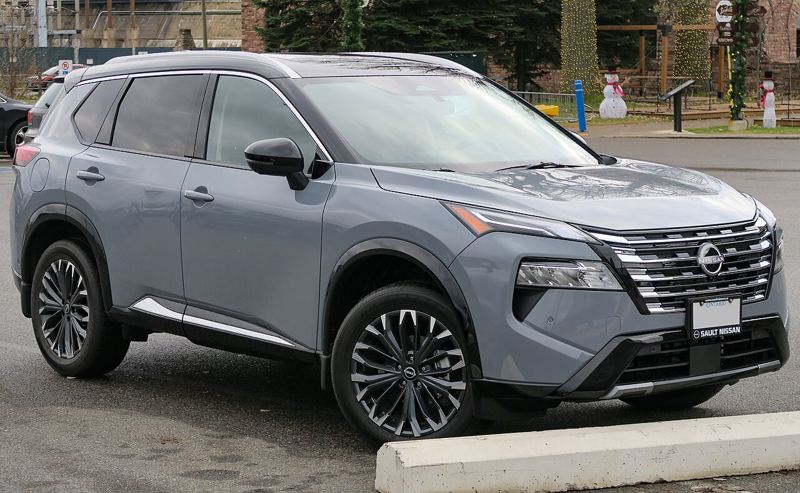 Nissan Rogue2007–present
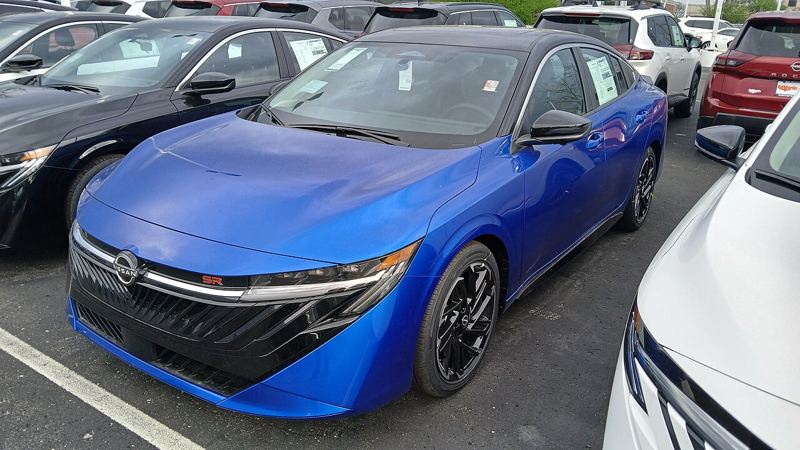 Nissan Sentra1982–present
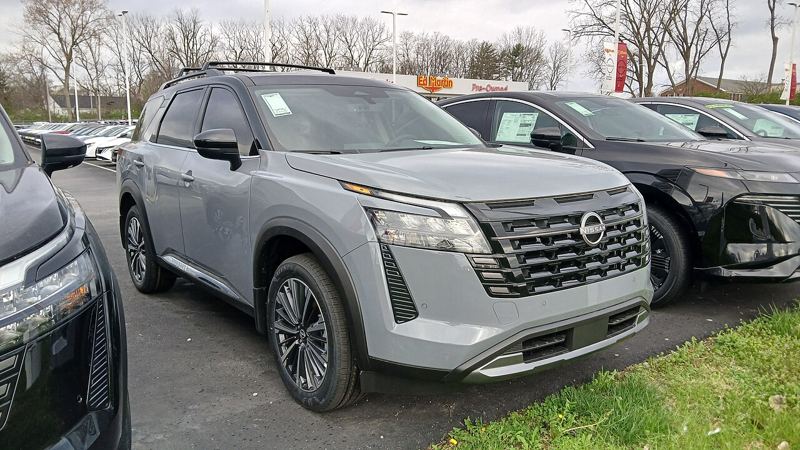 Nissan Pathfinder1986–present
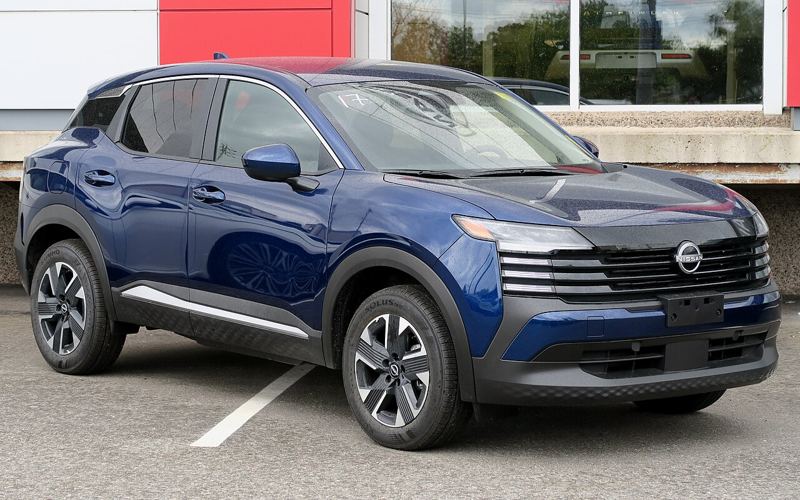 Nissan Kicks2018–present
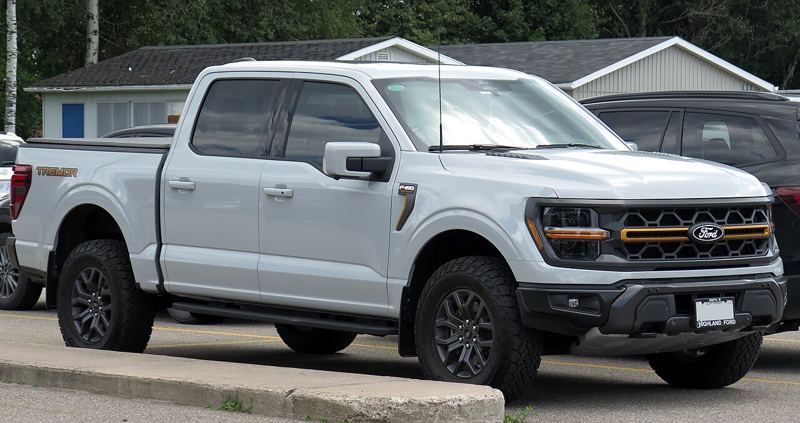 Ford F-Series (F-150)1948–present
 Toyota RAV41994–present (US from 1996)
 Honda CR-V1995–present
 Ram 15001981–present
 Tesla Model Y2020–present


