
Porsche 911
Sports car · 1964–present. 14,128 units sold in the US in 2024
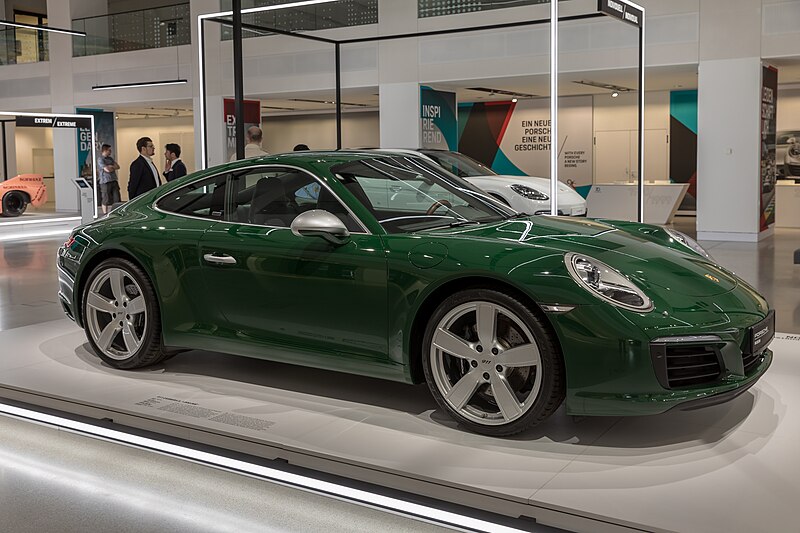
How it began
It was designed by Ferdinand Alexander Porsche, Ferry Porsche’s eldest son, who shaped the original 2+2. Later, Anatole Lapine led Style Porsche from 1969 to 1988 and designed the G-Series and its U.S. bumpers; Harm Lagaay was chief designer from 1989 to 2004; and Michael Mauer took over in 2004. Tobias Sühlmann succeeded Mauer as Porsche Head of Design on February 1, 2026. Frank Moser is vice president of the 911 and 718 model lines.
The 911 originated in Zuffenhausen, Stuttgart, Germany, where series production began in September 1964 and continues today. The 2025 annual report confirms that all 55,371 cars produced that year came from the main plant. In May 2017 Porsche described a line shared with the 718 Boxster and 718 Cayman, with workers expert in up to 200 tasks; that is a historical account, since 718 production ended in October 2025. U.S.-bound 911s also come from Zuffenhausen.
It was unveiled on September 12, 1963, at the Frankfurt Motor Show (IAA) under the name 901. Production began on September 14, 1964, and by its launch that year it was already called the 911. It turned 60 on September 12, 2023.
It was going to be called 901, following Porsche's internal type numbers. But Peugeot held the rights to three-digit names with a zero in the middle, so Porsche swapped the zero for a one and the 911 was born. The codes for each generation (964, 993, 996, 997, 991, 992) are also internal factory numbers.
It had to replace the Porsche 356, the car that founded the brand, and those were big shoes to fill. Porsche applied the same sports car recipe to an entirely new car: a low silhouette, a rear-mounted six-cylinder engine and agile suspension. The 911 offered more room for passengers and luggage, more power and more comfort than the 356, in a 2+2 fastback coupe body.
Generation by generation
- Gen. 11963–1973 · 901 / 911
The original: Butzi Porsche's 911
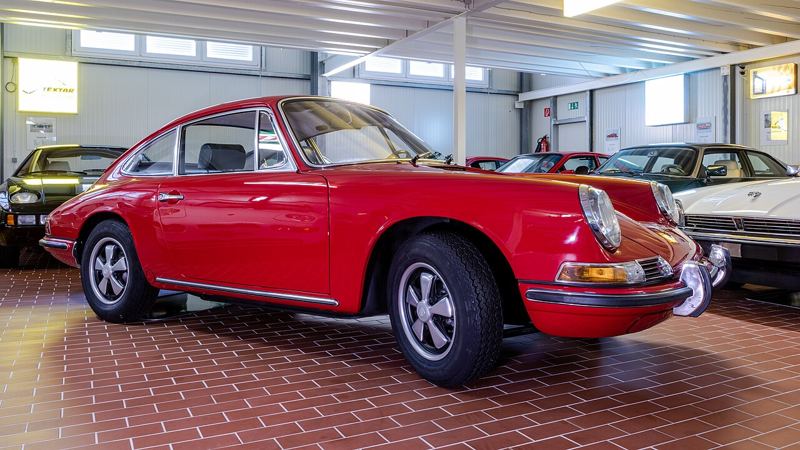
Photo: Dietmar Rabich (1962–) · CC BY-SA 4.0 What changed. Everything was new compared with the 356: a 2+2 fastback coupe unibody, a five-speed manual gearbox and a short-stroke, high-revving, air-cooled flat-six with 130 PS and a 210 km/h top speed. To put that in perspective, a Volkswagen Beetle 1200 of the day had 30 PS and topped out at 112 km/h. It cost 21,900 Deutschmarks. The four-cylinder 912 and the 911 Targa arrived in 1965, and the 160 PS 911 S in 1966. The Carrera RS 2.7 introduced the famous ducktail rear spoiler. 81,100 were built.
The innovation. The 911 Targa, unveiled in autumn 1965, with a stainless steel roll-over bar above the occupants' heads. Porsche describes it as the first truly safety-conscious cabriolet.
If you buy one usedNHTSA does retain campaigns for this generation: examples include 67V006 for certain 1966–1967 911s, for heat-exchanger cracks that could admit exhaust gases to the cabin, and 73V168 for certain 1973 cars, for leaks involving the warm-up regulator or a fuel-line clamp. Ask Porsche about the VIN’s historical campaigns and repairs. Porsche documents cavity preservation from 1969 and hot-dip galvanized body and floorpan sheet metal from 1975; this generation predates that complete factory body treatment. Prioritize a rust inspection. The figure that more than 70% of all 911s ever built remained ready to drive is Porsche’s historical May 2017 statement, not a current measurement. - Gen. 21973–1989 · G
G-Series: bellows bumpers and the first Turbo
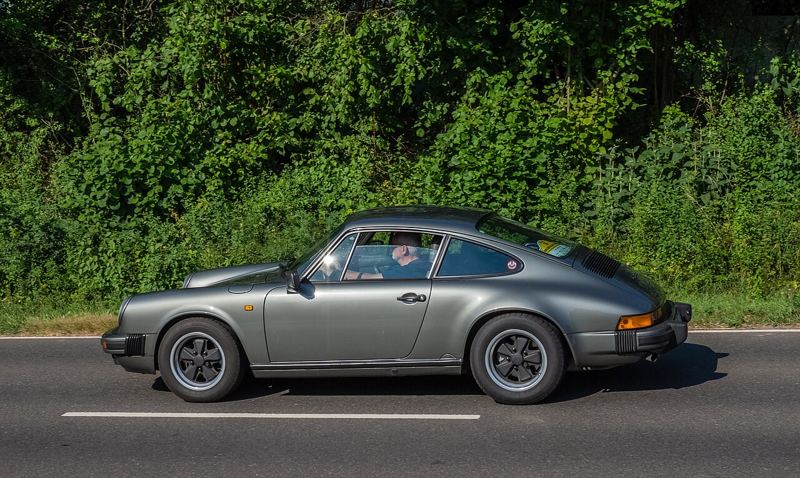
Photo: Ermell · CC BY-SA 4.0 What changed. After ten years, Porsche rebuilt it from the ground up without touching the silhouette. Production started in August 1973 as a 1974 model. It grew to 4,291 mm long and introduced bumpers with telescopic bellows to meet the U.S. crash rule: absorb a 5 mph (8 km/h) impact without damage. Every car initially had a 2.7-liter engine. The 911 Turbo was unveiled in Paris in October 1974 with 260 PS, and grew to 3.3 liters and 300 PS in 1977. Then came the 911 SC (1977), the Cabriolet, the Carrera 3.2 (1984 model year) and the Speedster (1989). Nearly 200,000 were built.
The innovation. The hot-dip galvanized body and floor panels, from 1975. Thanks to that, Porsche extended its corrosion warranty to seven years from the 1981 model year and to ten years from the 1986 model year; according to Porsche, it was the first manufacturer to offer ten years.
If you buy one usedIf you are looking at an early one, keep in mind that Porsche dates its complete hot-dip body/floorpan treatment to 1975, after the 1974 model. U.S. versions used bumper impact absorbers; Porsche’s later 3.2-liter Carrera description specifies a catalytic converter for emissions rules. NHTSA lists recall 83V111 (1984 911: the rear seat belts lacked locking retractors and did not meet federal standard 208). Ask for the service history and look up the VIN at nhtsa.gov. - Gen. 31988–1994 · 964
964: all-wheel drive and everyday comfort
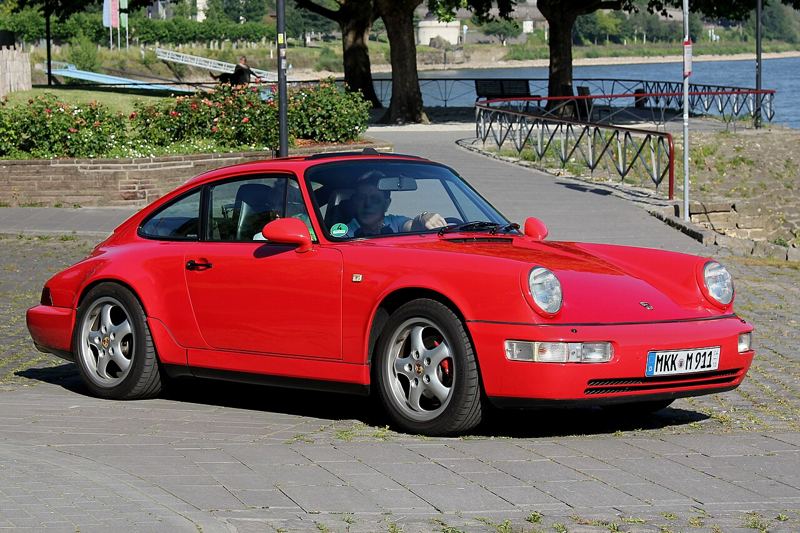
Photo: Lothar Spurzem · CC BY-SA 2.0-DE What changed. It was the first big change in 16 years: almost 85 percent of the parts were new. A 3.6-liter, 250 PS flat-six with dual ignition, knock control and a three-way catalytic converter. Power steering and ABS brakes as standard, a stronger heater and central locking, to attract everyday drivers. A 0.32 drag coefficient, the most aerodynamic 911 up to then, with a rear spoiler that extends by itself above 80 km/h. An automatic gearbox arrived in 1990, which mattered for the U.S. market. 63,762 were built.
The innovation. The Carrera 4, which came first, in August 1988: all-wheel drive with electronically controlled, hydraulically regulated power distribution, a system born in the Porsche 959 supercar.
If you buy one usedNHTSA lists for 1989 to 1993 911 models recalls 92V142 (1989–1992: the cruise control linkage ball sockets could break and jam the throttle), 93V204 (1989–1992: the rear heater blower resistor could overload), 93V205 (1991–1993: the brake pressure reduction valve could let the rear wheels lock even with ABS) and 96V147 (1989–1993: part of the upper steering column universal joint cracked during manufacturing). Note: NHTSA does not split by generation, and the 1989 model year also includes the G-Series Carrera 3.2. Look up the VIN. - Gen. 41993–1998 · 993
993: the last air-cooled 911
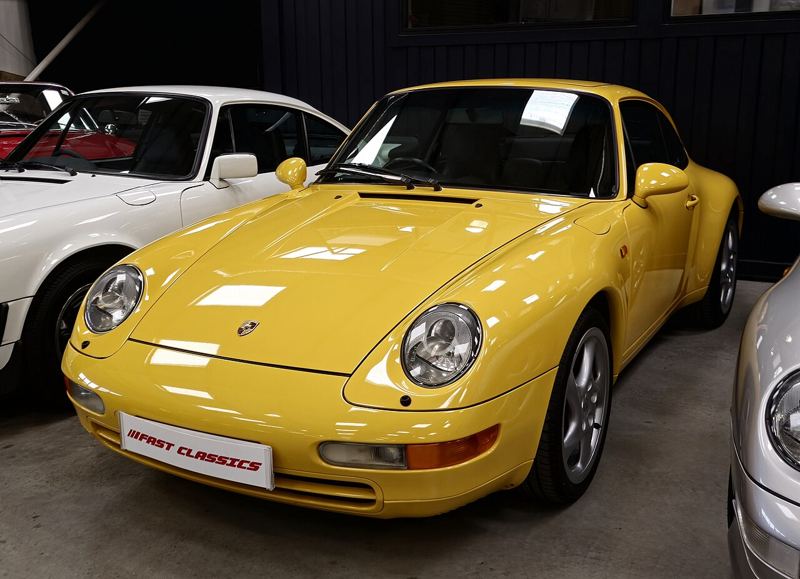
Photo: Calreyn88 · CC BY-SA 4.0 What changed. It was unveiled at the IAA in autumn 1993, after four years of development and about 400 million Deutschmarks of investment. Flatter headlights on lower, wider fenders, integrated bumpers and a gentler tail; only the roofline carried over. The 3.6-liter engine rose to 272 PS and, from 1996, added the VarioRam variable intake system. A four-speed Tiptronic was offered and, from the 1995 model year, Tiptronic S with steering-wheel buttons. The 1995 Turbo got two turbochargers, 408 PS and all-wheel drive. 68,881 were built. Few knew it then, but it was the last air-cooled 911.
The innovation. The LSA multi-link rear axle — named for light weight, stability and agility in German — improved both ride and handling. Porsche’s German history describes it as an advanced development stage of the Weissach axle concept, which had already been used in the 928 from 1977.
If you buy one usedNHTSA lists for the 1996 911 recalls 95V247 (the exhaust tailpipe cover sleeves were secured with two weld spots instead of four), 95V248 (the inner pipes of the heat exchangers could crack) and 98V089 (the airbag could deploy without a crash). As the last air-cooled 911 it is a sought-after classic: ask for the full history and look up the VIN at nhtsa.gov. - Gen. 51997–2005 · 996
996: water cooling arrives
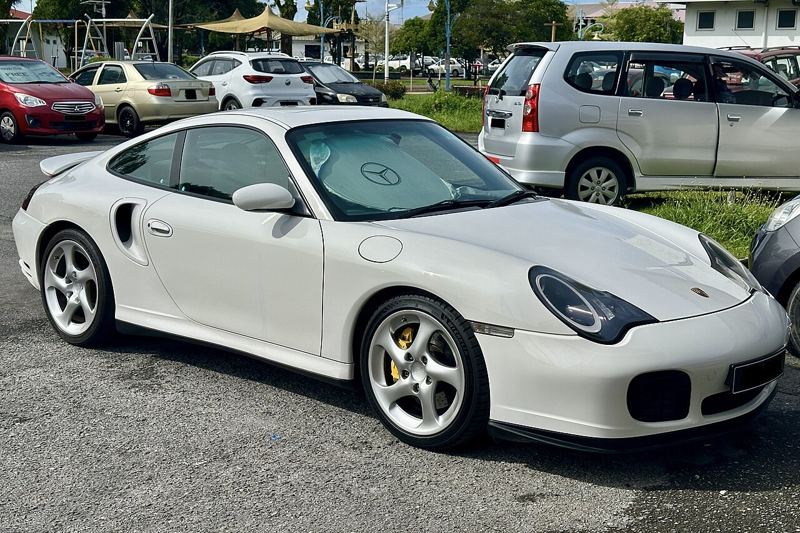
Photo: Yu Chu Chin · CC BY-SA 4.0 What changed. Unveiled in 1997, it was the first series-production 911 with water cooling: new emissions rules called for four-valve cylinder heads, and running them reliably in all conditions required liquid cooling. The base engine reached 300 PS. It grew 18.5 cm in length and 3 cm in width, yet shed about 50 kg thanks to high-strength steel. It was developed alongside the Boxster and shared parts with it; from the 993 only the hood crest, wheel hub covers, steering wheel and airbags remained. In 2002 it got the 911 Turbo's headlights. 175,262 were built.
The innovation. Besides the water-cooled engine, the first 911 GT3, developed by two-time world rally champion Walter Röhrl and racing engineer Roland Kussmaul. Röhrl called it a racing car for the road.
If you buy one usedOne documented issue on M96/M97 Carrera engines is the intermediate shaft (IMS) ball bearing. According to Sports Car Market, the Eisen v. Porsche Cars North America class action covered most 2001–2005 911s (not Turbo, GT2 or GT3) and Boxsters, 57,929 cars: if the bearing fails it can damage the engine. The settlement extended coverage to 10 years or 130,000 miles, historic terms that would ordinarily have expired by 2026; exact eligibility depends on first service and the class’s terms and VIN ranges. Porsche changed the bearing in mid-2005. NHTSA also lists recall 04V070 (2003 911 Carrera, Cabriolet, Targa and Turbo: front seat backs that did not meet Porsche's strength standard). Ask for proof of whether the IMS has been replaced. The 57,929 figure combines Boxsters and 911s. The court order limits 911 eligibility to specified VINs and production from May 4, 2001 through February 20, 2005; reimbursement was conditional and did not cover preventive replacement without a qualifying failure. - Gen. 62004–2012 · 997
997: oval headlights return
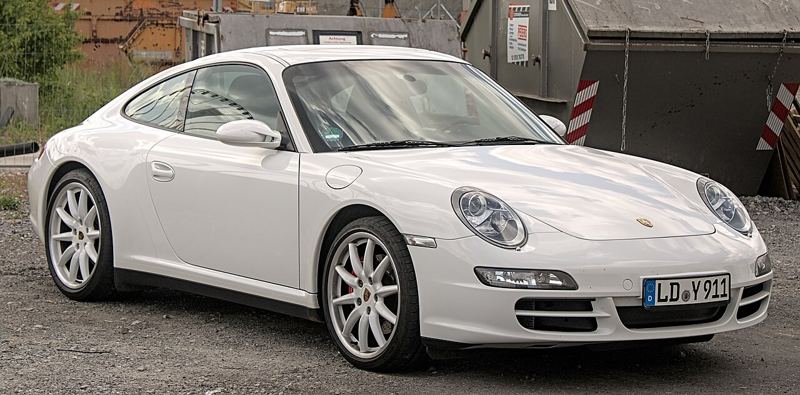
Photo: Alexander-93 · CC BY-SA 4.0 What changed. Porsche unveiled the Carrera and Carrera S in July 2004. Oval clear-glass headlights that recall the classic 911, curved fenders and, except for the roof, every visible body panel different from the 996. A fully clad underbody for better aerodynamics and a stiffer chassis. The Sport Chrono Plus package adjusted the throttle, engine, PSM stability control, suspension and Tiptronic S with one button. The range expanded a lot. In Germany it started at 75,200 euros. 213,004 were built.
The innovation. PASM active suspension (Porsche Active Suspension Management) as standard on the Carrera S, improving comfort without giving up performance.
If you buy one usedNHTSA lists recalls 11V285 (2010–2011 911 Turbo, Turbo S, GT3, GT3 RS and GT2 RS built May 18, 2009 to September 17, 2010 with center-lock hubs: the hubs could wear prematurely) and 12V558 (2010 GT3 built May 15, 2009 to February 11, 2010: the rear wheel hubs could fail and the original maintenance intervals might be insufficient). Sports Car Market dates the change to 2009; the 2009 Carrera service manual confirms that its new engine has no intermediate shaft. Earlier M96/M97 Carrera 997 engines use the IMS ball bearing; Turbo, GT2 and GT3 Mezger engines differ. Within the 997 phase, the court class is limited to 2005 cars eligible by VIN and build date. Look up the VIN at nhtsa.gov. - Gen. 72011–2019 · 991
991: longer, lighter and the millionth car
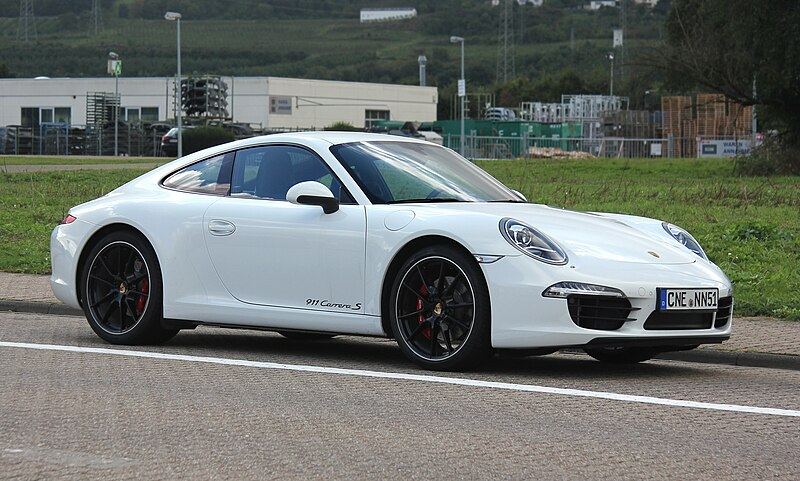
Photo: Lothar Spurzem · CC BY-SA 2.0-DE What changed. Porsche developed or redesigned almost 90 percent of the components. A new platform with a lightweight aluminum and steel body, 80 kg lighter, a wheelbase 10 cm longer, wider tracks and adaptive aerodynamics. An interior inspired by the Carrera GT, with digital displays. The initial base engine was a 3.4-liter, 350 PS flat-six; in the mid-cycle update, two turbochargers added 20 PS with less displacement and lower fuel use. It ended production in 2019 with 233,540 built, the largest generation total at that time. On May 11, 2017, the one millionth 911 rolled out of Zuffenhausen.
The innovation. A seven-speed manual gearbox, which Porsche presented as the first of its kind in the world.
If you buy one usedNHTSA lists recall 14V090 (2014 911 GT3 built October 19, 2013 to January 16, 2014: a connecting rod could come loose and damage the engine crankcase). For 2016–2017 911s, 19V533 (the airbag control unit could deactivate the airbags or deploy them without a crash), 16V946 (2017: the seat-mounted side airbag initiator might fail to ignite) and 17V135 (2017 Cabriolet and Targa: the windshield might not be properly bonded and could detach in a crash). Look up the VIN to confirm they were done. For an affected GT3 not yet repaired under 14V090, the notice advises not driving until the engine is replaced. - Gen. 82018–present · 992
992: digital, hybrid-ready and T-Hybrid
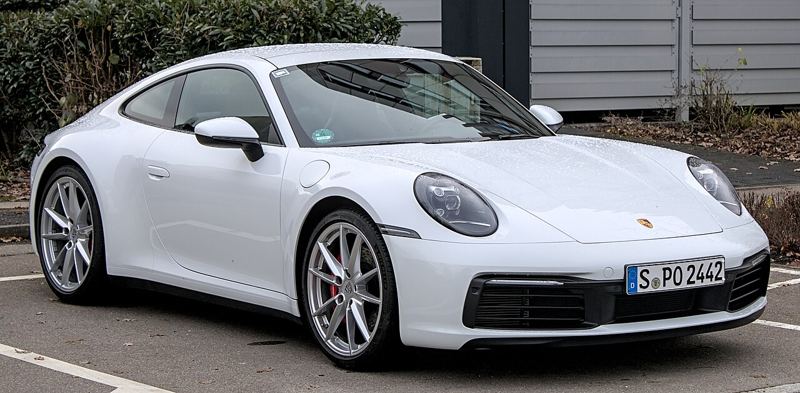
Photo: Alexander Migl · CC BY-SA 4.0 What changed. It was unveiled in November 2018. It borrows heavily from earlier 911 designs, but the dashboard is digital, with a 10.9-inch touchscreen and the analog tachometer in the center. The turbocharged flat-sixes made 450 PS in the Carrera S. The update arrived in May 2024: a fully digital 12.6-inch instrument cluster and a start button, both firsts for a 911, standard Matrix LED headlights and, in the Carrera GTS, the T-Hybrid system with a new 3.6-liter flat-six and 541 PS combined (532 hp in the U.S.). In 2024 it sold a record 14,128 units in the United States.
The innovation. The eight-speed PDK gearbox was designed from the start to hold an electric motor, and the 911 has been hybrid-capable since 2019. In 2024 that came true: T-Hybrid uses a single electric turbocharger that spools up instantly and generates up to 11 kW, an electric motor inside the PDK that adds up to 40 kW, and a 400-volt battery the size of a regular starter battery, holding 1.9 kWh.
If you buy one usedNHTSA lists for 911s of this generation, among others, 24V155 (2020–2024: the windshield and rear window might not be properly secured and could detach), 25V896 (2020–2025: the rearview camera might not display an image), 24V809 (2021–2024: the center-lock wheel bolt could fracture), 22V897 (2022–2023: the dashboard console could break in a crash and affect the passenger airbag) and 25V078 (2023: the rear seat belt buckle bolts might be loose). All have a free dealer remedy: confirm by VIN that they were done. Campaign 24V809 concerns the center-lock wheel system: affected unrepaired vehicles should not be driven until the remedy is completed. Confirm the configuration and VIN.
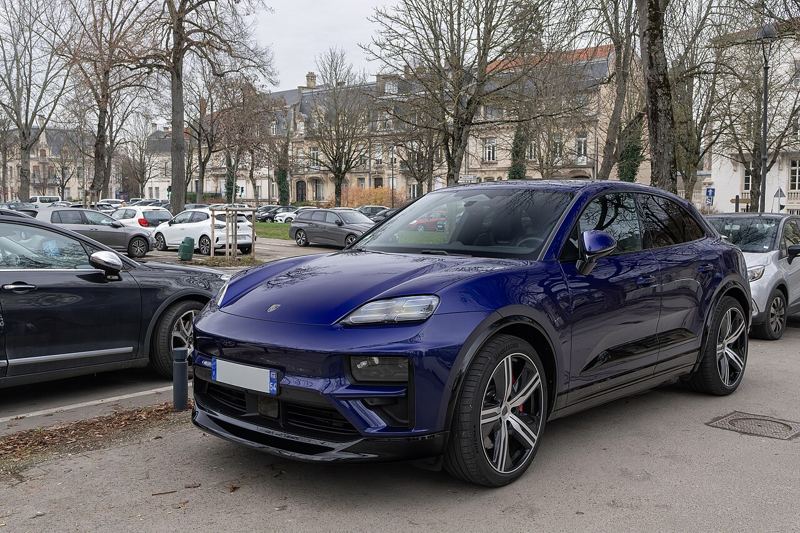 Porsche Macan2014–present
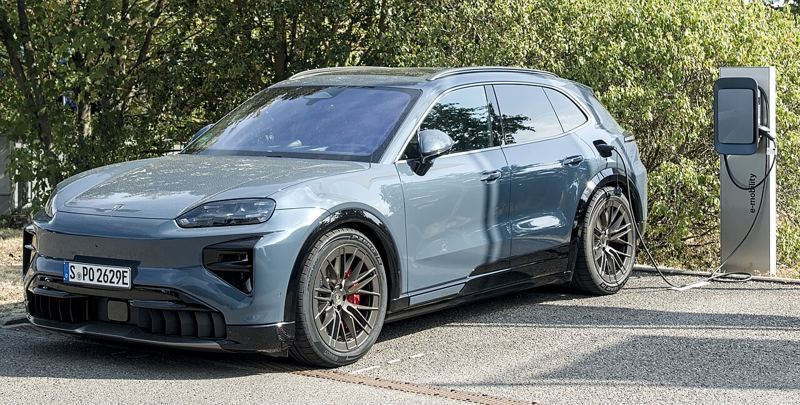 Porsche Cayenne2003–present
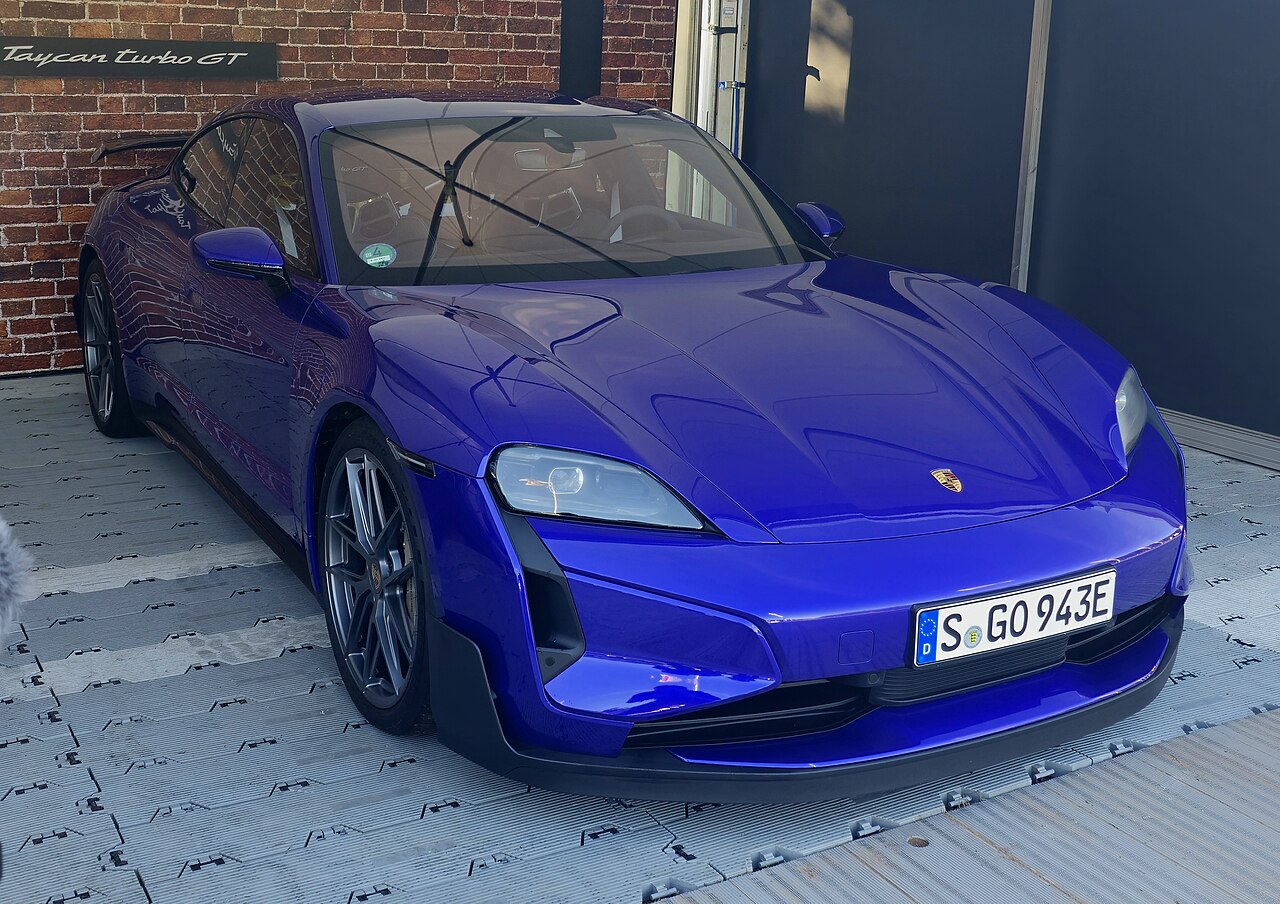 Porsche Taycan2020–present
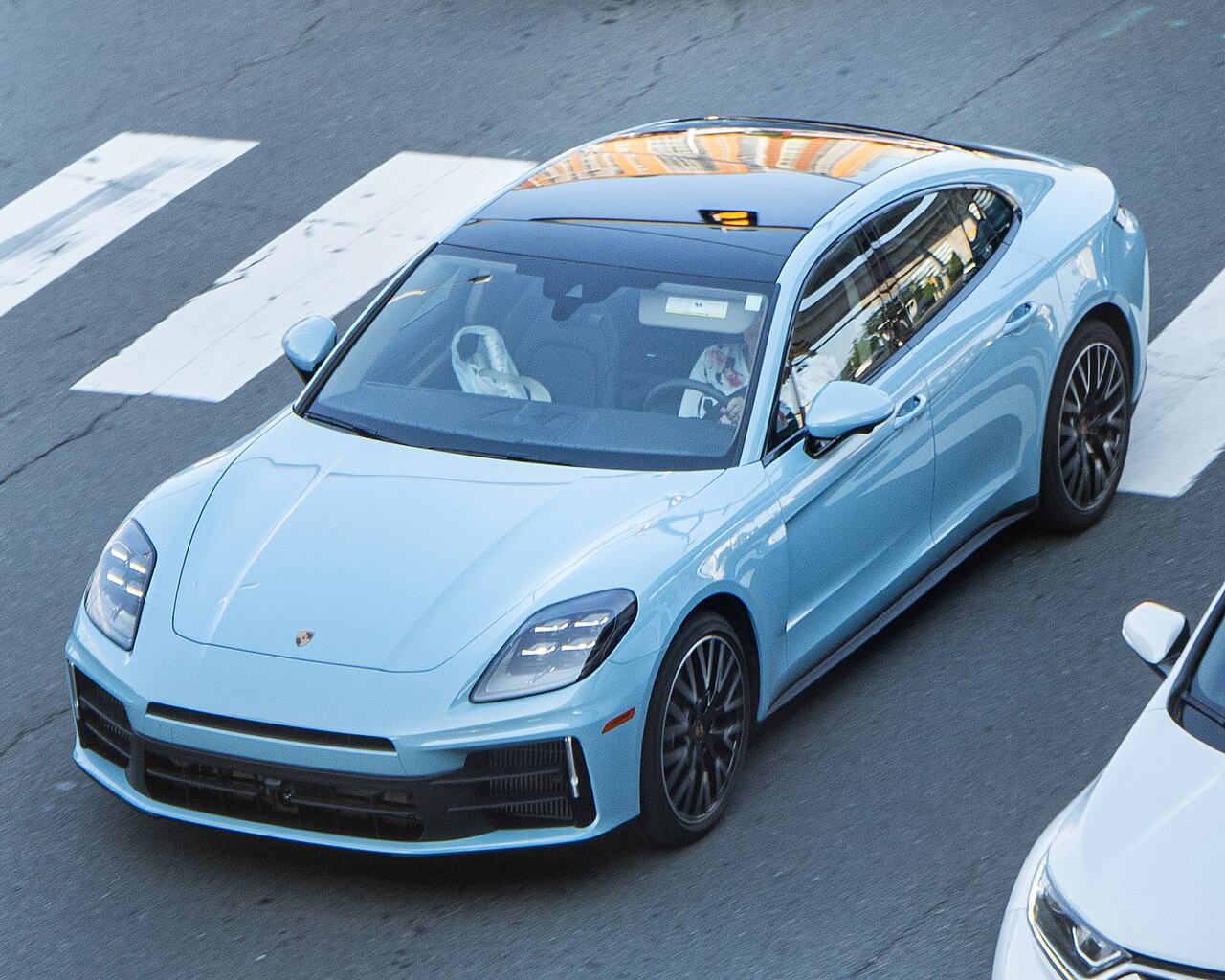 Porsche Panamera2010–present
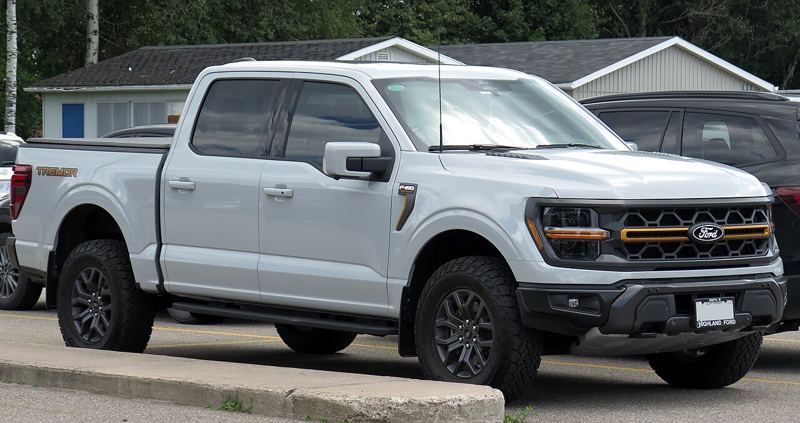 Ford F-Series (F-150)1948–present
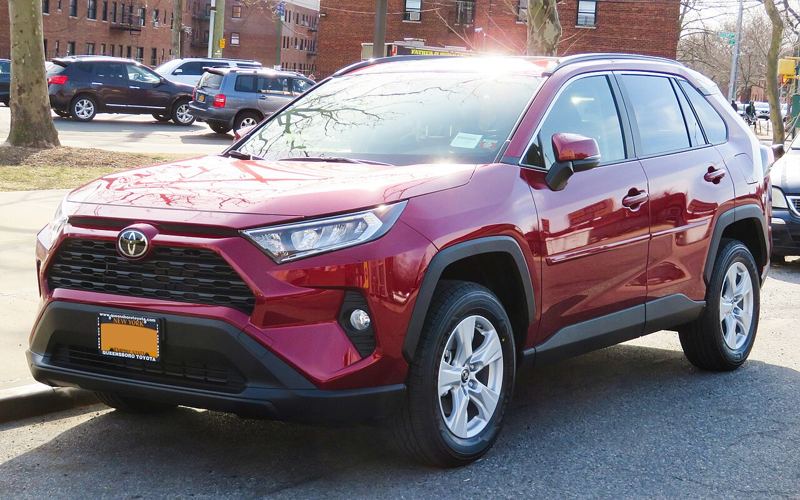 Toyota RAV41994–present (US from 1996)
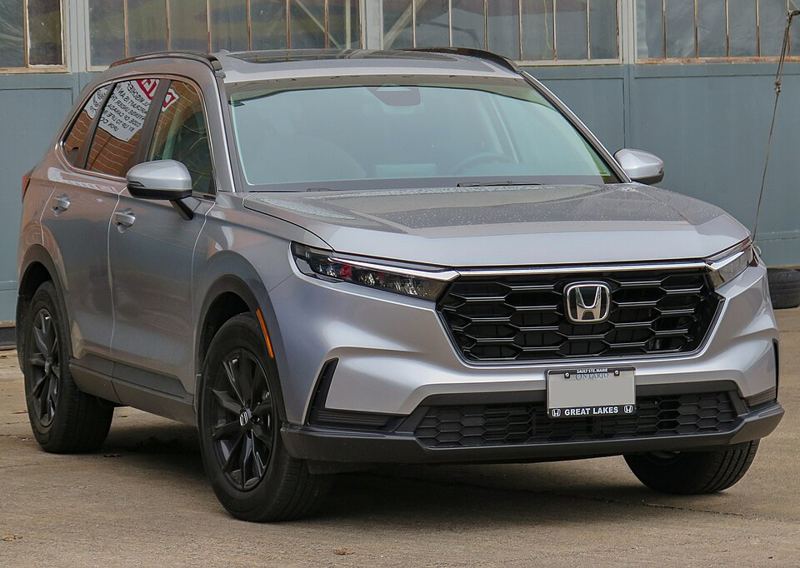 Honda CR-V1995–present
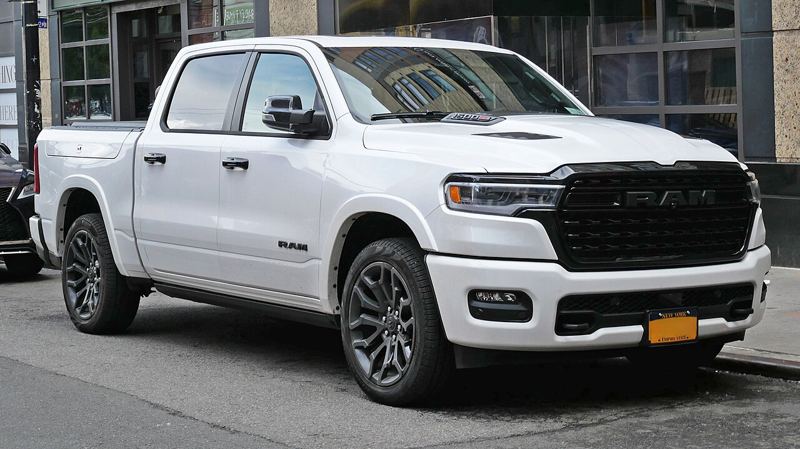 Ram 15001981–present
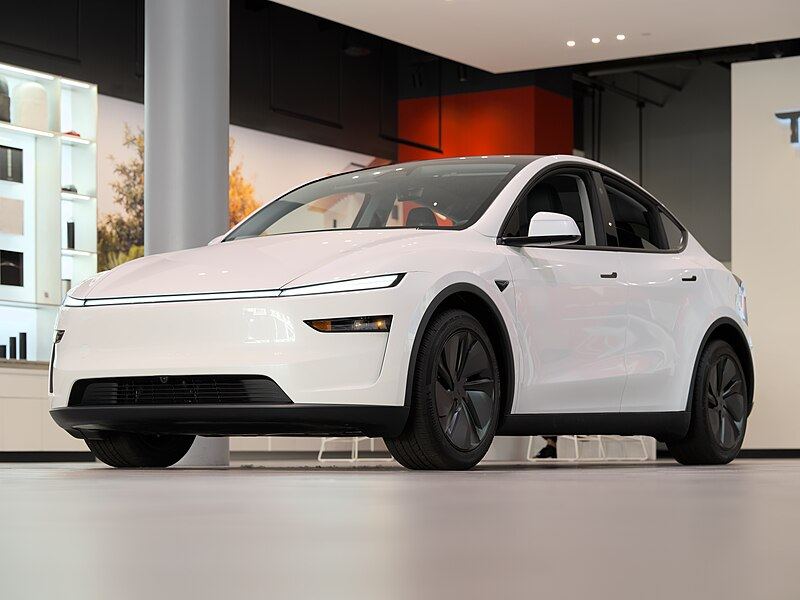 Tesla Model Y2020–present


