
Porsche Panamera
Luxury sports sedan · 2010–present. 3,982 units sold in the US in 2024
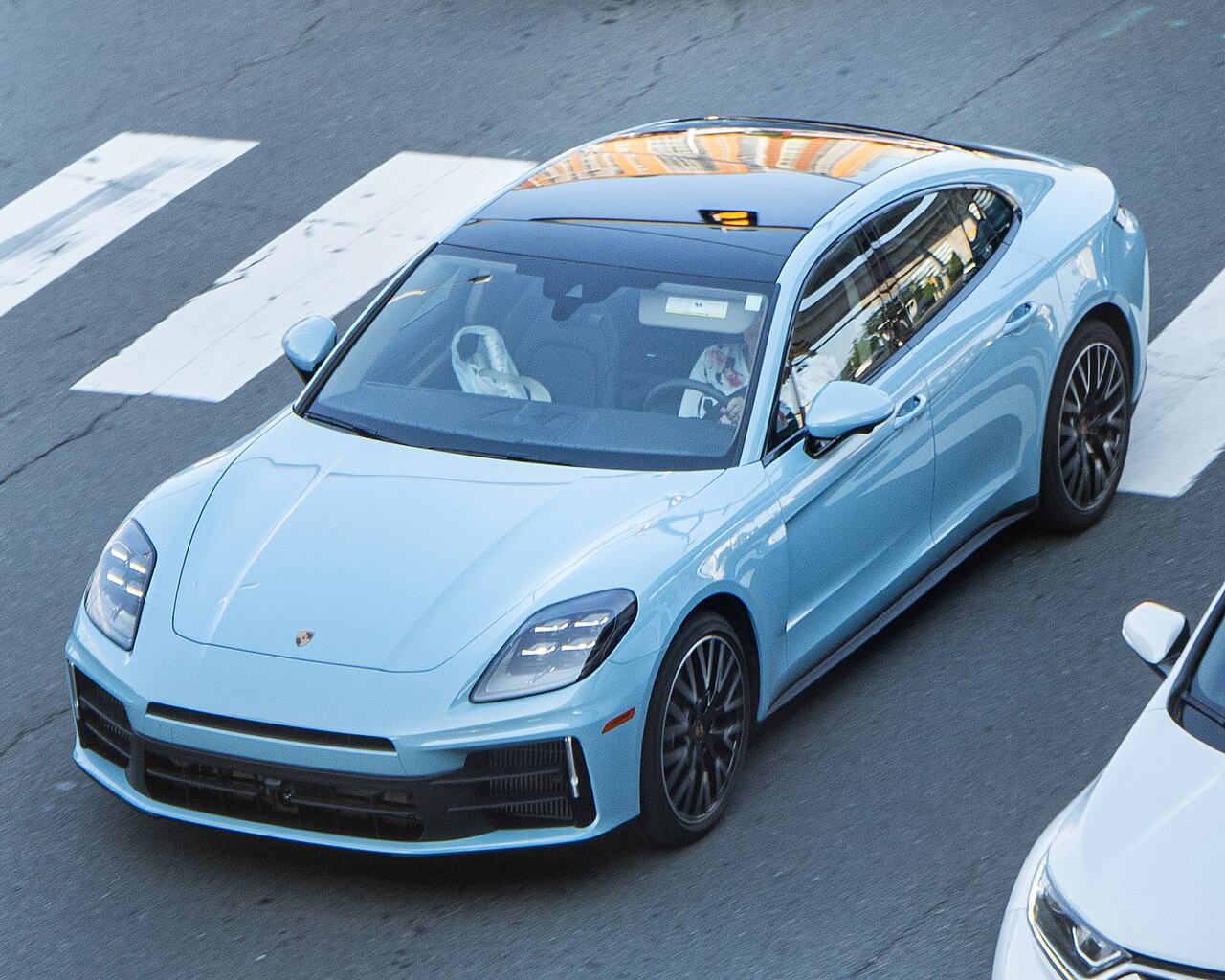
How it began
Wendelin Wiedeking, then Porsche AG executive-board chairman, drove the entry into the luxury class. Style Porsche developed the design under Michael Mauer during those programmes; Tobias Sühlmann succeeded him as Head of Design on February 1, 2026. Michael Steiner was the first product-line head and later joined the research and development board. Gernot Döllner led the line from 2011 to 2018; Porsche’s April 2019 retrospective dates Thomas Friemuth’s appointment to May 2018. Oliver Blume presented the second generation in 2016.
Porsche AG developed it in Germany, and it has always been assembled at Porsche's plant in Leipzig, Saxony. For the first generation, Volkswagen built and painted the bodies at its Hanover plant while Leipzig handled pre-assembly and final assembly. From the second generation in 2016, Porsche invested about 500 million euros in a new body shop, and the Panamera has been built entirely in Leipzig, including the cars sold in the United States.
Porsche unveiled it to the world on April 19, 2009, in Shanghai, China. In the United States it went on sale on October 17, 2009, as a 2010 model, in S, 4S and Turbo versions.
Panamera is inspired by the Carrera Panamericana, Mexico's legendary endurance race. Before the final name, the design concepts were called Mirage, Meteor and Phantom; the production car drew most from Mirage, but with elements of all three.
Porsche engineers had dreamed of a four-seat Porsche for decades: there was a stretched 356 in the 1950s, a four-door 911, lengthened 928s and the 1988 Type 989 prototype, cancelled in 1992 for economic reasons. In the early 2000s, after market studies and competitor analysis, Porsche chose a four-door hatchback sedan that would combine sporty handling, real room for four adults and a design that was recognizably Porsche. The original plan was to sell 20,000 a year.
Generation by generation
- Gen. 12010–2016 · 970
First generation: Porsche’s four-door Gran Turismo
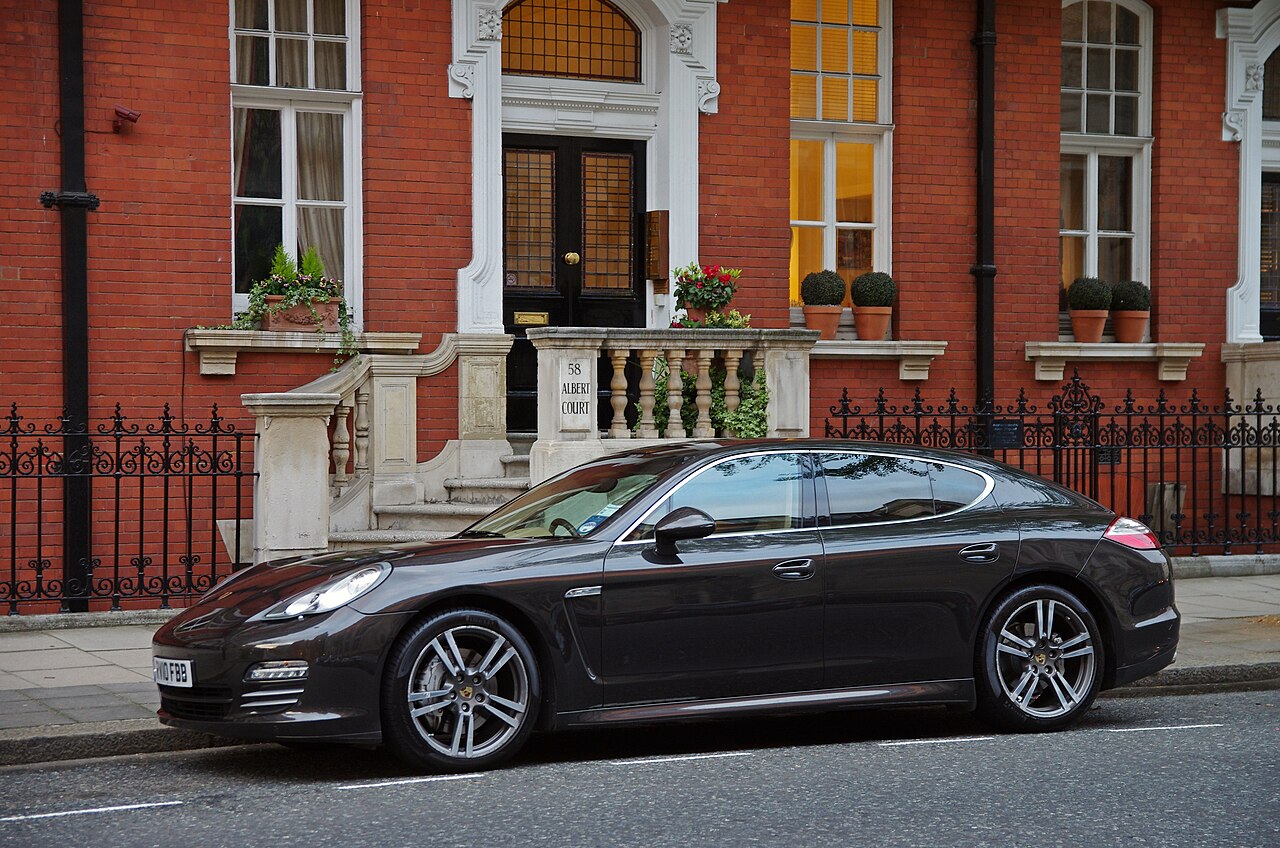
Photo: Maksim Sidorov · CC BY 3.0 What changed. Everything was new: Porsche's first four-door sedan, with a sloping roof and a large hatchback tailgate. In the U.S. it debuted with the rear-drive Panamera S (400 hp, $89,800), the all-wheel-drive 4S (400 hp, $93,800) and the Turbo (500 hp, $132,600). Before the 2013 update, the international range expanded from 250 to 550 PS, with V6 and V8 engines, diesel and hybrid; it later reached 570 PS. A 2013 update added the long-wheelbase Executive version, aimed mainly at China.
The innovation. It was a rolling laboratory: an adjustable rear spoiler that extends in several directions, air suspension with on-demand extra air volume on the Turbo, and start-stop. In 2011 the Panamera S Hybrid was the first parallel full hybrid in the luxury class, and in 2013 the 416 PS S E-Hybrid, with 36 km of electric range, was the world's first plug-in hybrid in its segment.
If you buy one usedNHTSA lists recall 10V141 (2010 Panamera S, 4S and Turbo: the front seat-belt mount could detach with the seat in extreme positions), 12V329 (2011–2012 Panamera Turbo and 2012 Turbo S: a casting defect could fracture the turbocharger turbine wheel, with a risk of smoke and fire) and 17V368 (2010–2012 Panamera S, 4S and Turbo and 2011–2012 Panamera and 4: the camshaft controllers could come loose and stall the engine). Also 19V322 (2010–2016 Panamera: water could enter the A/C blower control unit, with a fire risk), 19V446 (2010–2016 Panamera: the gear selector bushing could detach and let the key come out without the car in Park) and 22V656 (several 2003–2020 Porsche models, Panamera included: missing caps on the headlight adjustment screws). Check by VIN at nhtsa.gov that all are done. Until an affected 19V322 vehicle is remedied, Porsche recommends parking outdoors. For 19V446, use the parking brake until repaired; exact trim/year and VIN conditions apply. - Gen. 22017–2023 · 971
Second generation: more 911, more technology and the Sport Turismo
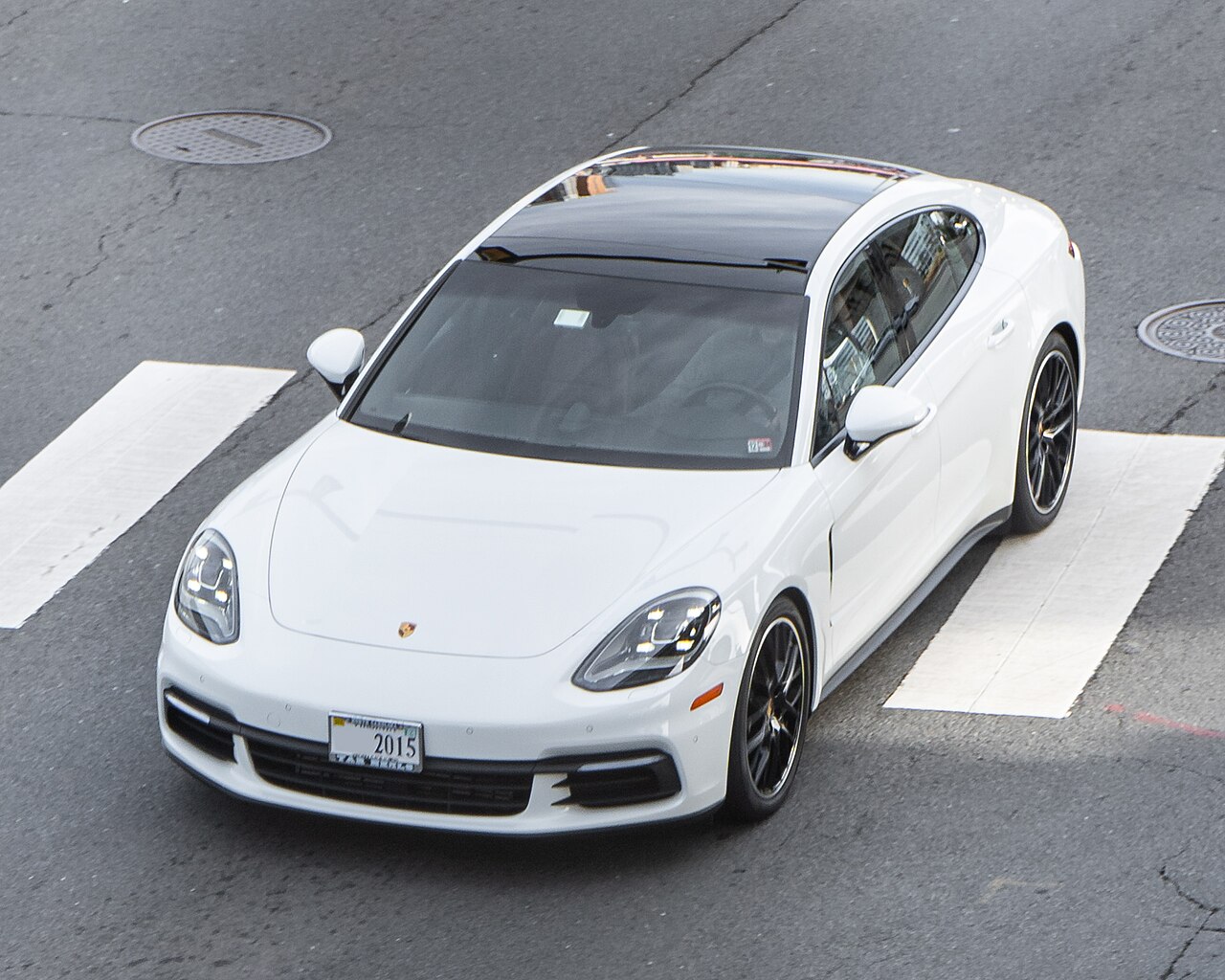
Photo: OWS Photography · CC BY 4.0 What changed. Unveiled on June 28, 2016, in Berlin by Oliver Blume, with a roof and side windows that echo the 911. The international launch range included the 550 PS Turbo, 440 PS 4S and 422 PS 4S Diesel, all with all-wheel drive; these metric figures do not describe a U.S. diesel offering. The new engines and eight-speed PDK improved fuel consumption by up to 16 percent, according to Porsche. The Sport Turismo body joined in 2017. The August 2020 update brought the 620 hp Turbo S, which lapped the Nürburgring in 7:29.81, a new record for executive sedans according to AutoGuide.
The innovation. Three-chamber air suspension, rear-axle steering, PDCC Sport electromechanical roll stabilization and the Porsche Advanced Cockpit with configurable screens. On the hybrid side, the Turbo S E-Hybrid reached 680 PS with a boost strategy inherited from the 918 Spyder supercar.
If you buy one usedNHTSA lists recall 18V898 (2017–2018 Panamera: a software fault could cause intermittent loss of power steering assist), 19V180 (2018 Panamera: incorrect soldering in a control unit), 18V841 (2018 Panamera hybrids: internal corrosion of the front brake lines) and 19V735, which superseded 19V115 (2017–2018 Panamera: the instrument cluster might not warn of worn brake pads). Also 21V362 (2021 Panamera: improperly forged front lower trailing arms could break), 21V608 (2021 Panamera: child-seat locking retractors could deactivate early) and 23V033 (2017–2021 Panamera: humidity in the climate-control coolant pump, with a fire risk). All have a free remedy; confirm by VIN at nhtsa.gov. Vehicles previously repaired under 19V115 are also included in 19V735; confirm the newer repair. The 23V033 pump campaign names selected non-hybrid versions; confirm the actual VIN and repair availability. - Gen. 32024–present
Third generation: more digital, with active suspension
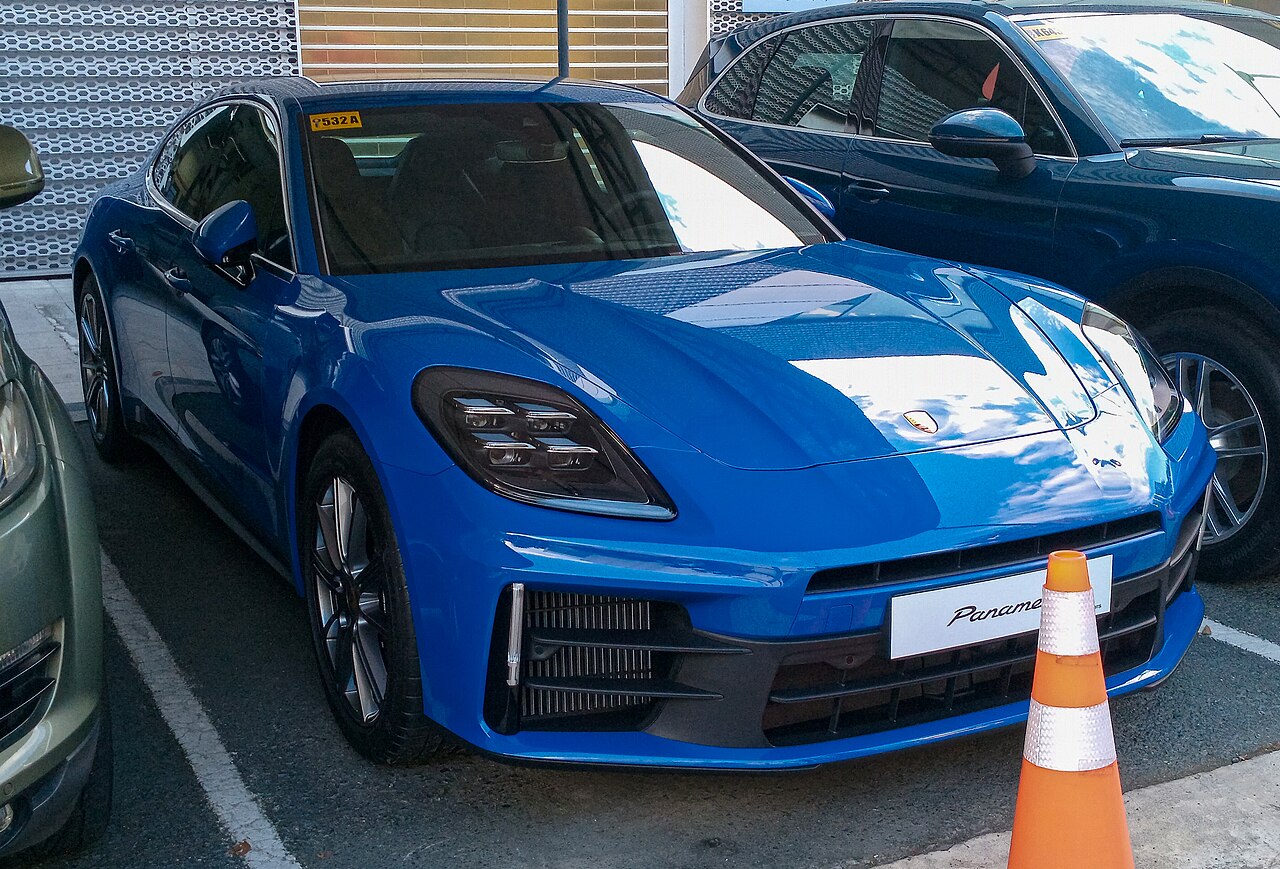
Photo: Ethan Llamas · CC BY-SA 4.0 What changed. Unveiled on November 24, 2023, and at U.S. dealers from spring 2024. The 2.9-liter twin-turbo V6 rose to 348 hp in the Panamera and Panamera 4, and the Turbo E-Hybrid pairs a 4.0-liter twin-turbo V8 with a 187 hp electric motor for 670 hp and 0–60 mph in 3.0 seconds. Inside it debuts the Porsche Driver Experience, with a digital cockpit, a gear selector to the right of the steering wheel and an optional 10.9-inch passenger display that the driver cannot see. LED Matrix headlights are standard.
The innovation. Porsche Active Ride, optional on the E-Hybrids: active dampers driven by an electric hydraulic pump keep the body level under braking, cornering and acceleration, and can even lean it into a curve like a motorcycle. It also raises the car when parked to make getting in and out easier.
If you buy one usedTwo selected NHTSA campaigns are listed for the 2024–2025 Panamera: 25V634 (2024–2026 Panamera and 2025 Panamera E-Hybrid: the high-pressure fuel pump fasteners could be loose, with a risk of a leak and fire) and 25V896 (2024–2025 Panamera: the rearview camera image might not appear; fixed with software). Both have a free remedy. This is a recent generation: ask for the service history and confirm by VIN at nhtsa.gov that the recalls are done. Certain 2025 Panamera 4 E-Hybrids also have 25V415 for a suspension-strut retaining ring that can loosen and cause air-spring loss; dealers inspect and reinstall it as necessary, free of charge.
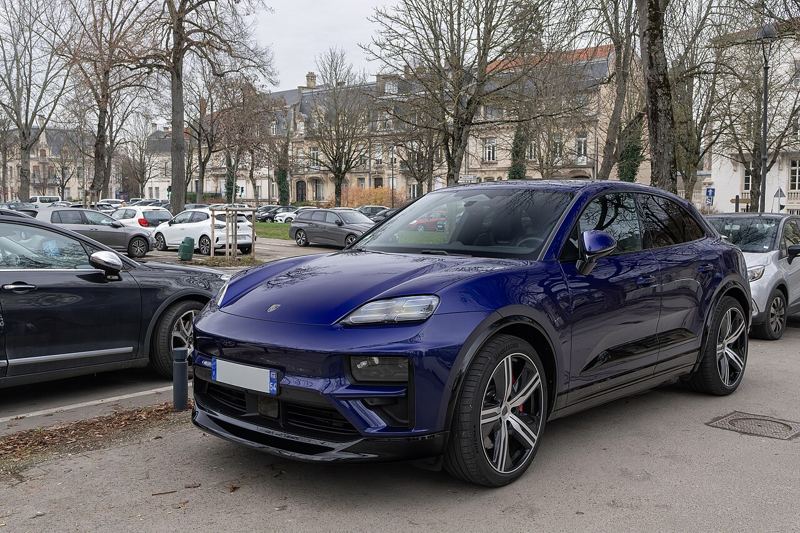 Porsche Macan2014–present
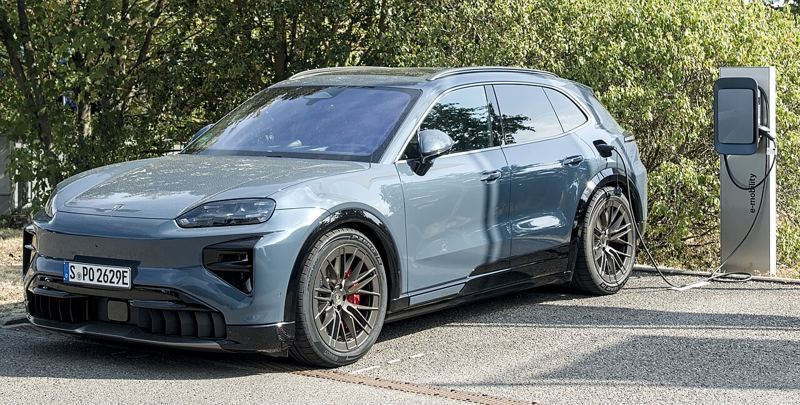 Porsche Cayenne2003–present
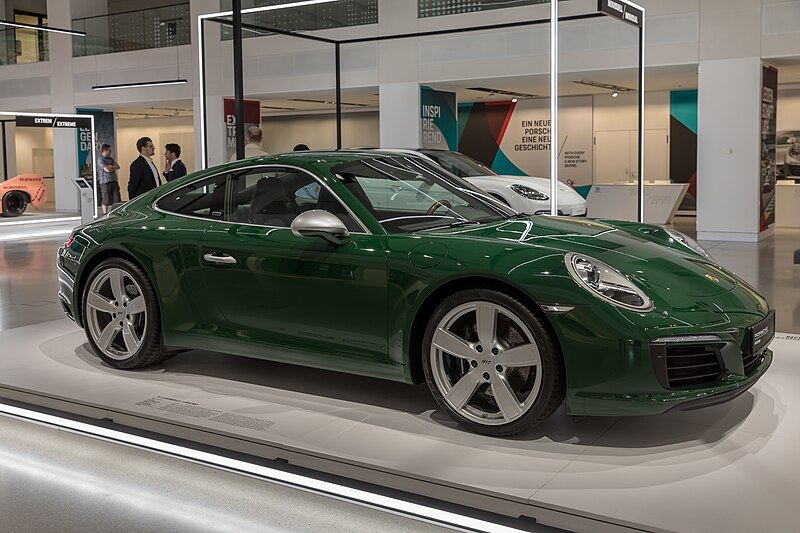 Porsche 9111964–present
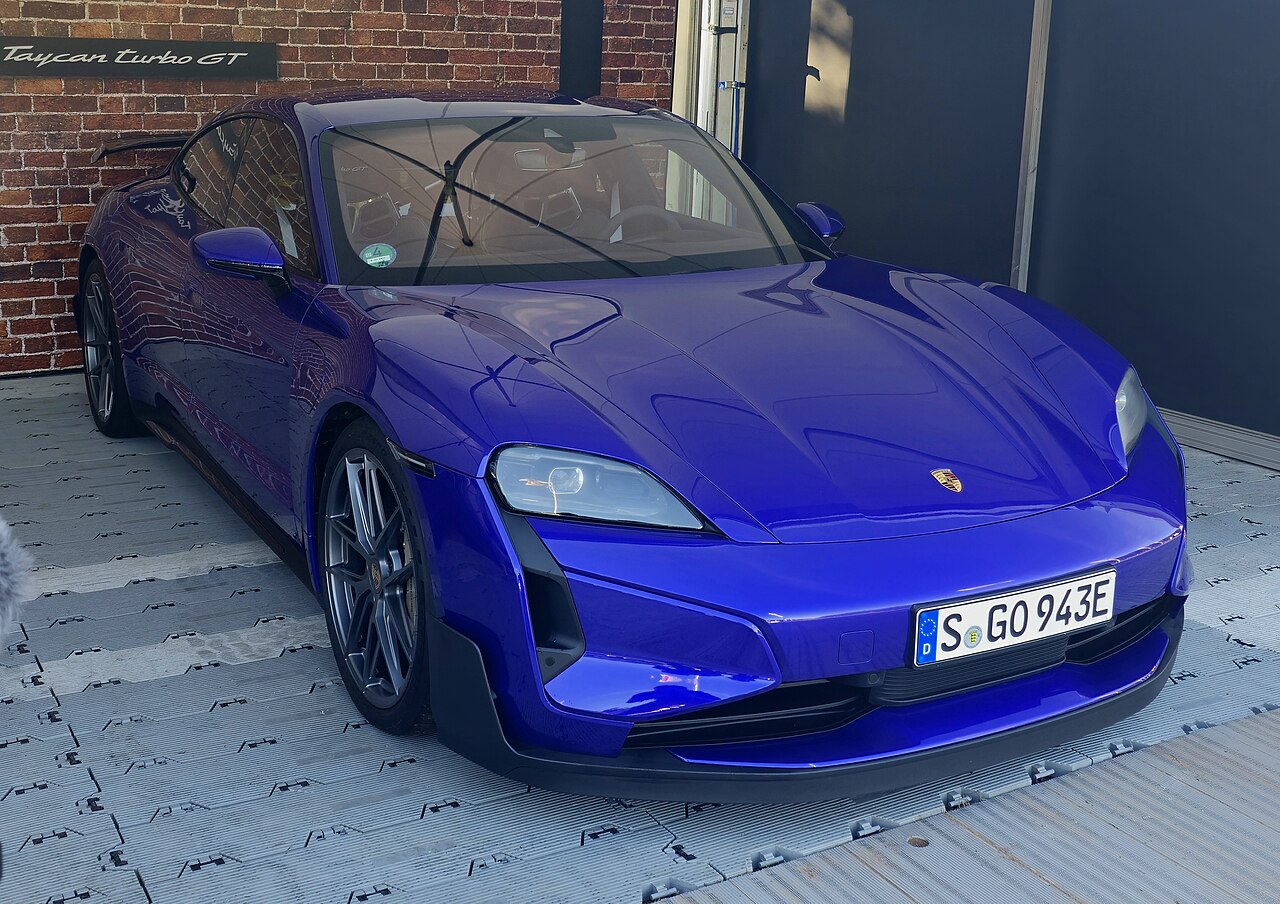 Porsche Taycan2020–present
 Ford F-Series (F-150)1948–present
 Toyota RAV41994–present (US from 1996)
 Honda CR-V1995–present
 Ram 15001981–present
 Tesla Model Y2020–present


