Porsche Taycan
Luxury electric sports sedan · 2020–present. 4,747 units sold in the US in 2024
How it began
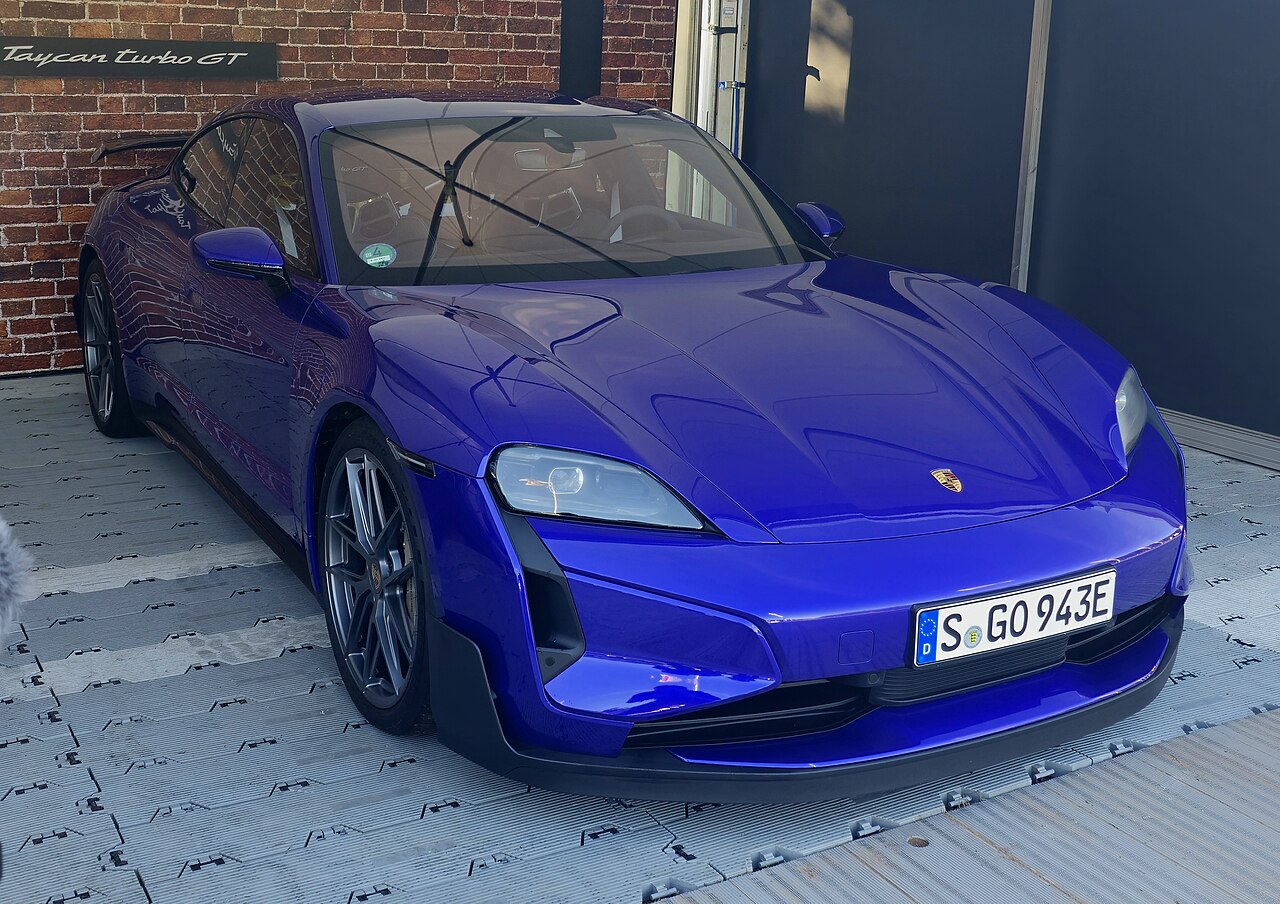
Porsche AG developed it between Stuttgart and its Weissach development center. The Mission E concept came from Style Porsche, the studio led by Michael Mauer during the project; Mauer was Head of Design from 2004 until Tobias Sühlmann succeeded him on February 1, 2026. In December 2015 the supervisory board, chaired by Wolfgang Porsche, gave the project the green light, and CEO Oliver Blume promised the sportiest, most advanced electric car in its segment. At the 2019 premiere Blume spoke alongside Michael Steiner, board member for research and development; later the model line was headed by Kevin Giek.
It is built at Porsche's home in Stuttgart-Zuffenhausen, the same place as the 911. A new factory within the factory went up for it in under 48 months, starting at the end of 2015: a body shop, a paint shop, an electric motor plant and a multi-story assembly building set in a 25-meter-deep pit, 170,000 square meters in all. According to Porsche, its production has been carbon-neutral since 2019. Today every Taycan version and body style, including those sold in the United States, comes out of Zuffenhausen.
The Mission E concept was unveiled on September 14, 2015, at the Frankfurt Motor Show (IAA). The production Taycan had its world premiere on September 4, 2019, simultaneously in North America (Niagara Falls), Neuhardenberg near Berlin and Pingtan Island near Fuzhou, China. Customer production started on September 9, 2019. In the United States it was sold as a 2020 model; the Taycan 4S reached dealers in spring 2020.
Taycan joins two words of Turkic origin that roughly translate as 'soul of a spirited young horse', a nod to the horse on the Porsche crest. In Japanese, 'taikan' means roughly 'physical experience'. The team worked through about 600 ideas over roughly a year and a half, and in autumn 2017 the board picked Taycan from a shortlist.
The industry was starting to shift toward electric cars, and Porsche wanted to stay at the front of the sports car world without betraying its philosophy. The 2015 Mission E was its answer: the first all-electric four-seat sports car in the brand's history, with more than 600 PS (440 kW) and an 800-volt system for faster charging. When it gave the green light, Porsche committed to investing about 700 million euros in Zuffenhausen and creating more than 1,000 jobs. As Wolfgang Porsche put it, it was a clear statement about the future of the brand.
Generation by generation
- Gen. 12020–2021
First generation, launch: the sedan that electrified Porsche
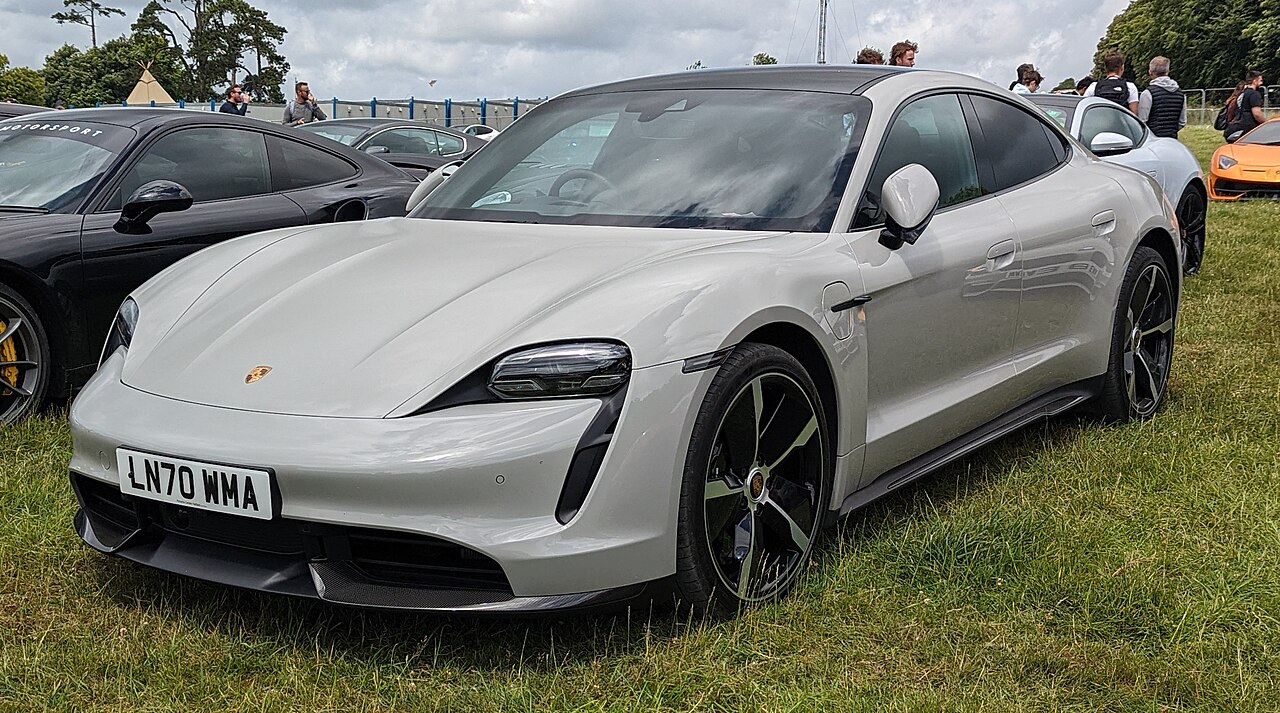
Photo: Calreyn88 · CC BY-SA 4.0 What changed. Everything was new: the first fully electric series-production Porsche. It debuted with the Taycan Turbo at up to 500 kW (680 PS) and 0–100 km/h in 3.2 seconds, and the Turbo S at up to 560 kW (761 PS) and 2.8 seconds; the highest outputs are Launch Control overboost figures. The Performance Battery Plus had 93.4 kWh gross capacity, DC charging up to 270 kW and 5–80 percent in 22.5 minutes under ideal conditions; drag coefficient started at 0.22. Announced U.S. prices, including the $1,350 delivery fee, were $152,250 for Turbo and $186,350 for Turbo S. The 4S was announced on October 14, 2019, from $105,150 including delivery, with up to 522 hp or 563 hp depending on battery; it reached U.S. dealers on April 17, 2020.
The innovation. Porsche presented it as the first series-production car with an 800-volt electrical system, double the usual 400 volts, which allows faster charging. It also added a two-speed transmission on the rear axle, developed by Porsche: first gear for launching hard from a stop and a longer second gear for efficiency at high speed.
If you buy one usedNHTSA lists several recalls for 2020–2021 Taycans. Among them: 21V486 (the monitoring software could wrongly detect a fault and shut down the powertrain, causing a loss of motive power), 21V697 (the brake booster input rod could be loose and detach), 21V911 (2020 Taycan: rear-axle upper control arm screws could be loose), 21V362 (2021 Taycan: incorrectly forged front lower trailing arms that could break) and 22V921 (2021 Taycan: a front strut retaining ring could come loose). Also 22V404 (the center screen and rearview camera could stay black), 24V455 (the front brake hoses could crack and leak fluid, 2020–2025 Taycan) and a series for a possible short circuit in the high-voltage battery modules: 23V840, 24V215, 24V217, 24V731 and 24V732. Check by VIN at nhtsa.gov that all are done and ask for the battery state of health. Battery campaigns have different populations and remedies. If 24V731 applies, an earlier 23V840, 24V215 or 24V217 repair does not close the newer campaign. For affected vehicles awaiting 24V215, 24V217 or 24V731 repair, the notice limits charging to 80% until remedied. The final 24V732 letter dated July 28, 2025 calls for a battery check repeated even after an interim check, conditional module replacement and software installation. It recommends charging no higher than 80% before installation; afterward, a detected warning automatically limits charging and requires contacting Porsche. Confirm the current campaign, version and VIN. - Gen. 22021–2024
First generation, the family grows: Cross Turismo, Sport Turismo and GTS
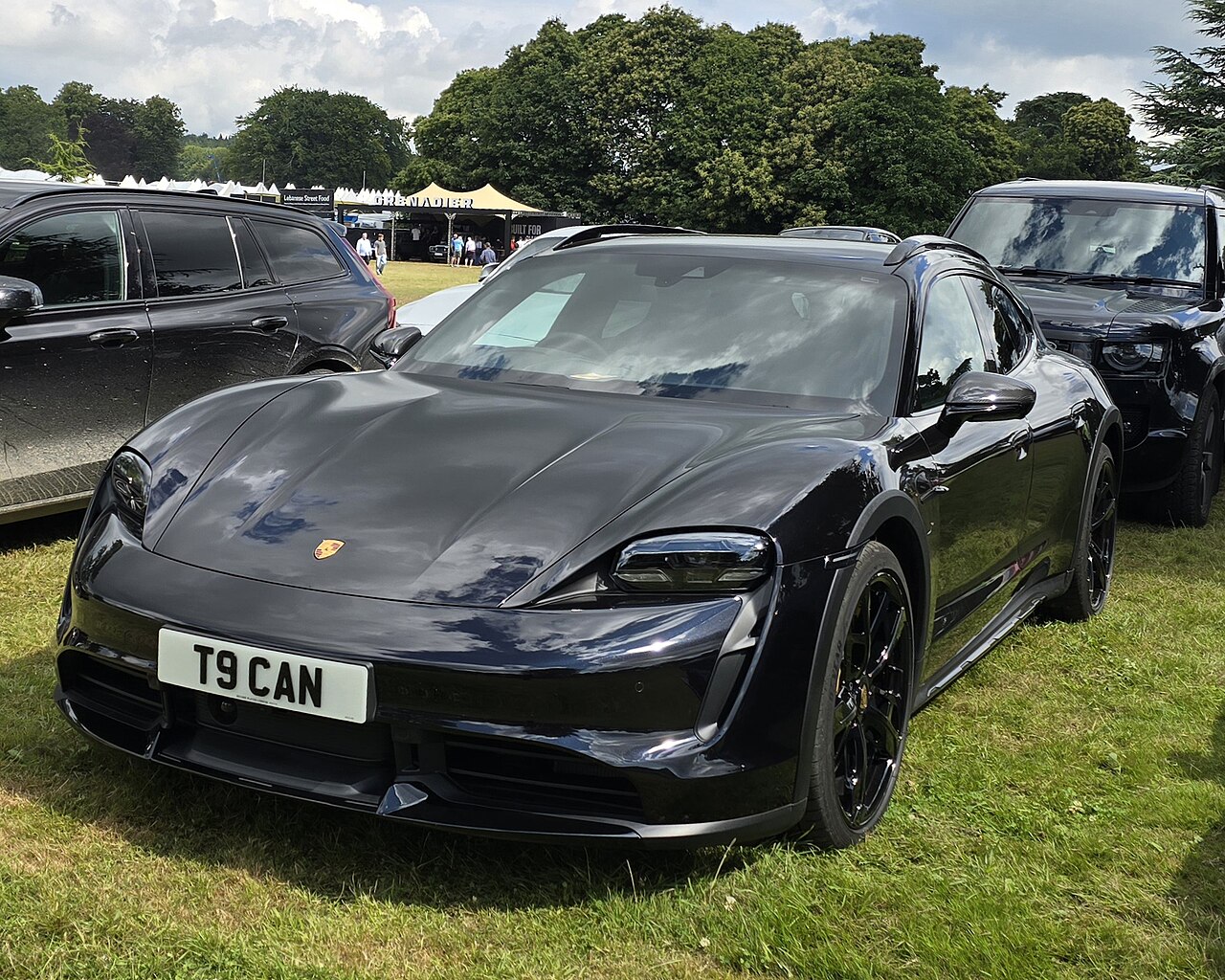
Photo: Calreyn88 · CC BY-SA 4.0 What changed. On March 4, 2021, the Taycan Cross Turismo arrived, with a long roof, 20 mm more ground clearance than the sedan, up to 3.62 inches more rear headroom and up to 42.8 cubic feet of cargo with the seats folded; in the U.S. it started at $90,900 plus destination and arrived in summer 2021. In November 2021, at the Los Angeles Auto Show, the Taycan GTS debuted with up to 440 kW (598 PS) of overboost with Launch Control, along with the third body style, the Sport Turismo: the same long roof as the Cross Turismo, without the off-road touches. The GTS was the first Taycan to top 500 km of WLTP range. In November 2022 the 100,000th Taycan rolled out of Zuffenhausen.
The innovation. The GTS's optional panoramic roof with Sunshine Control: a liquid-crystal film that switches electrically from clear to matte, split into nine individually controlled segments. Porsche described it as a world first in the auto industry.
If you buy one usedBesides the battery recalls (23V840, 24V215, 24V217 and 24V732, depending on year and version) and brake hose recall 24V455, NHTSA lists for these years 23V176 (with an unbelted passenger, the warning light and chime might not activate), 23V615 (2023 Taycan: the high-voltage battery could have too little sealant and let liquid collect), 25V221 (2022–2023 Taycan: an occupant classification error could deactivate the passenger airbag), 24V654 (2024 Taycan: wrong headlight control module software) and 23V841 (the portable charger, used at 100 percent on an industrial 220/240 V outlet, could overheat the outlet or cable). Check everything by VIN at nhtsa.gov. Battery campaigns have different populations and remedies. If 24V731 applies, an earlier 23V840, 24V215 or 24V217 repair does not close the newer campaign. For affected vehicles awaiting 24V215, 24V217 or 24V731 repair, the notice limits charging to 80% until remedied. The final 24V732 letter dated July 28, 2025 calls for a battery check repeated even after an interim check, conditional module replacement and software installation. It recommends charging no higher than 80% before installation; afterward, a detected warning automatically limits charging and requires contacting Porsche. Confirm the current campaign, version and VIN. Until an affected 23V841 cable is replaced, do not use the 220/240 V portable cable: the campaign directs using the 110 V home cable or public charging stations. - Gen. 32025–present
First generation, major update: further and faster
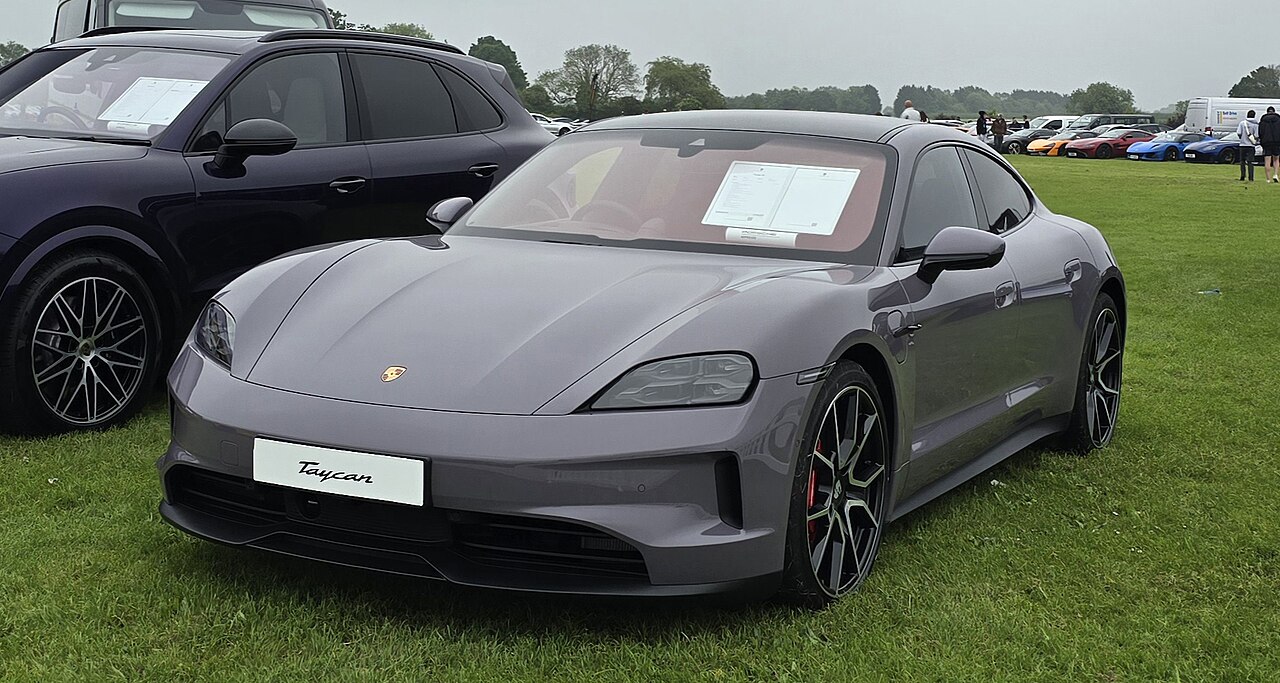
Photo: Calreyn88 · CC BY-SA 4.0 What changed. The international update was unveiled on February 7, 2024 for all three body styles, with global dealer arrival scheduled from spring. It was announced in the U.S. as a 2025 model: the sedan was scheduled for summer 2024, with Cross Turismo following; that U.S. offering did not include all three body styles. The Performance Battery Plus grew from 93 to 105 kWh gross, DC fast charging rose to 320 kW, and 10 to 80 percent dropped to 18 minutes, versus 37 for the first Taycan at 15 °C. The rear motor gained 80 kW and lost 10.4 kg; the Turbo S runs 0–100 km/h in 2.4 seconds. WLTP range of up to 678 km, 175 km more than before. Flatter headlights, new air intakes and standard air suspension. In the U.S. the 2025 model started at $101,395 including destination, approximately $7,300 to $14,500 more than the 2024.
The innovation. Optional Porsche Active Ride on all-wheel-drive versions keeps the body level under braking, acceleration and cornering. With easy entry activated, it raises the body by 55 mm when a door opens. Push-to-Pass can add up to 70 kW for 10 seconds with Sport Chrono and Performance Battery Plus, depending on model; at the update’s launch it was unavailable for the rear-drive Taycan or Taycan 4 Cross Turismo.
If you buy one usedNHTSA lists for the 2025 Taycan recall 24V730 (the rearview camera image might not appear right away), 25V415 (a front strut retaining ring could come loose and let the air spring lose air), 25V896 (the rearview camera might not display an image) and brake hose recall 24V455. It is a recent car: confirm the actual first-use date, mileage and remaining warranty; check by VIN that the recalls are done and ask for the service history.
 Porsche Macan2014–present
 Porsche Cayenne2003–present
 Porsche 9111964–present
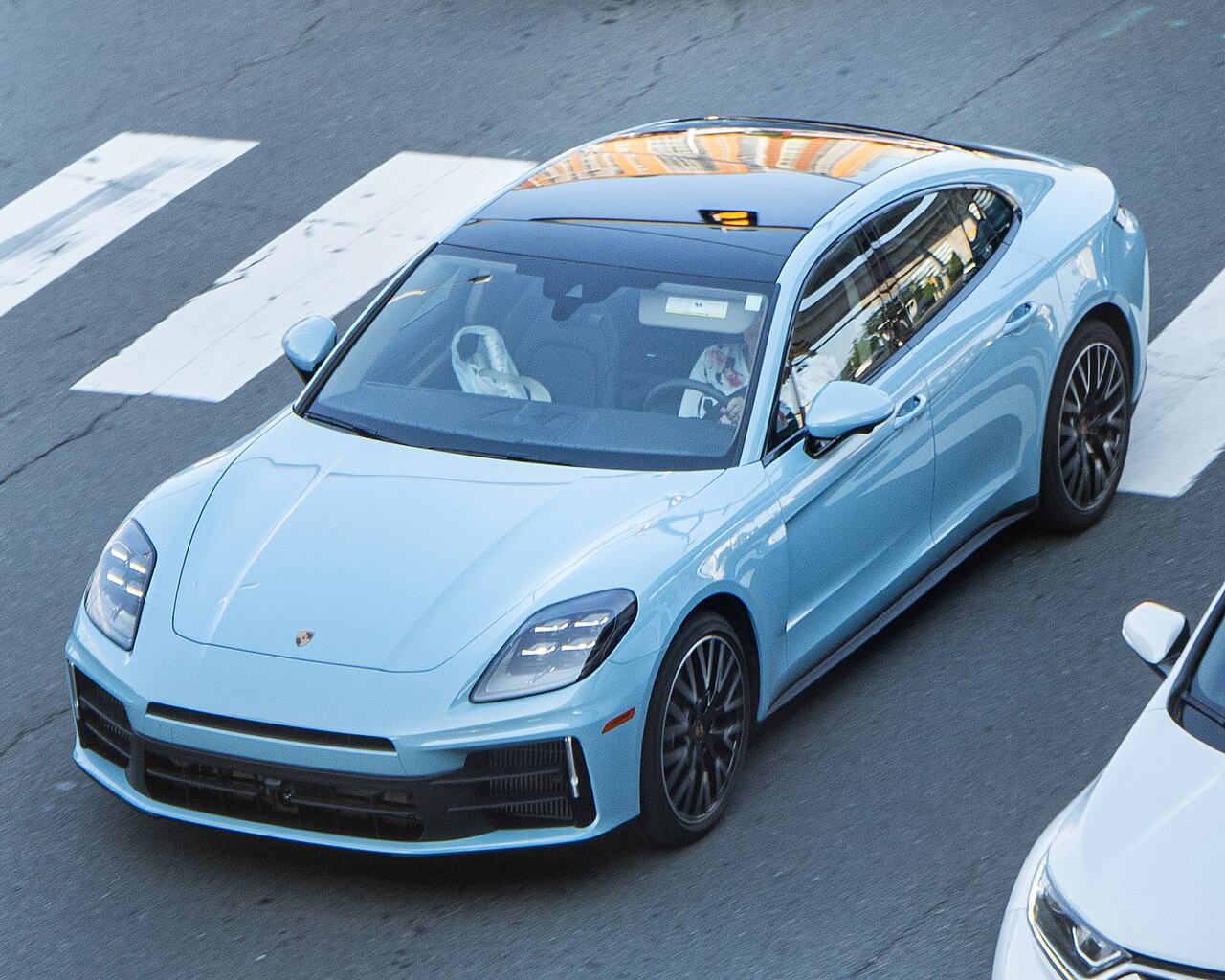 Porsche Panamera2010–present
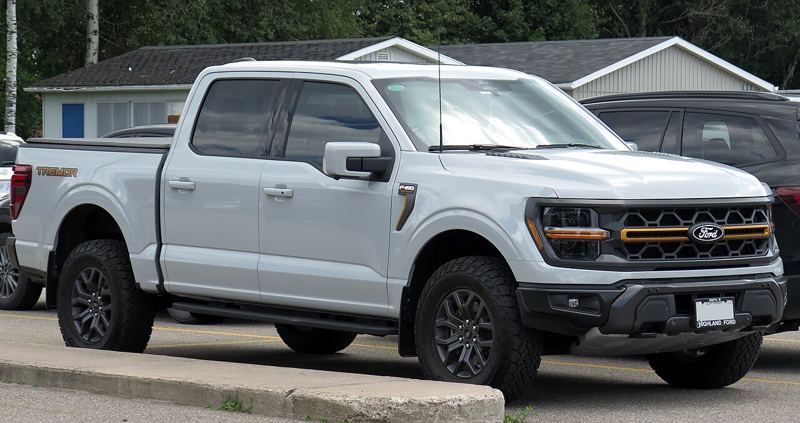 Ford F-Series (F-150)1948–present
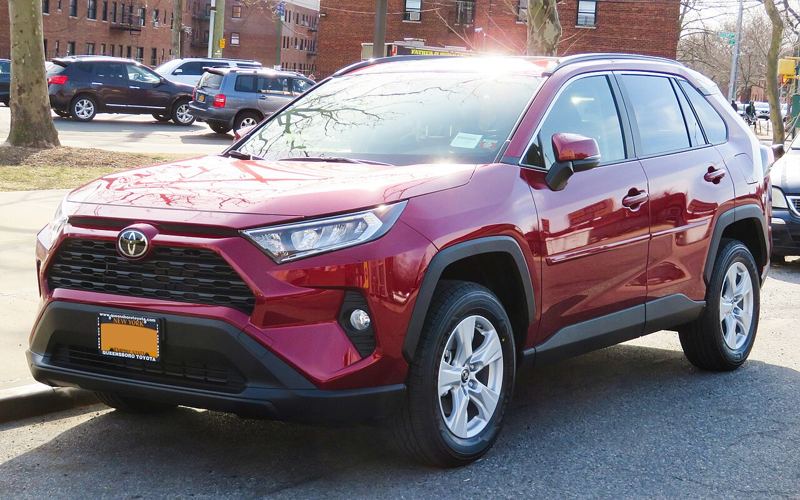 Toyota RAV41994–present (US from 1996)
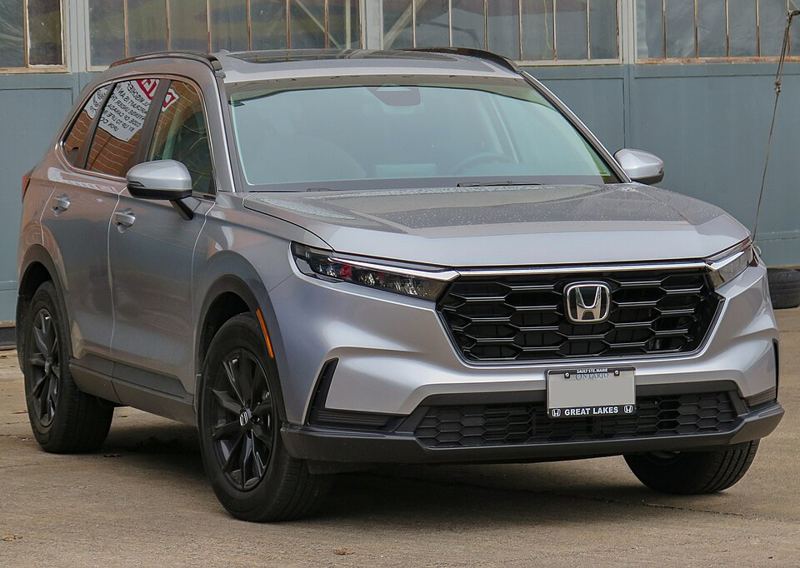 Honda CR-V1995–present
 Ram 15001981–present
 Tesla Model Y2020–present


