
Honda HR-V
Subcompact SUV · 2016–present. 151,468 units sold in the US in 2024
How it began
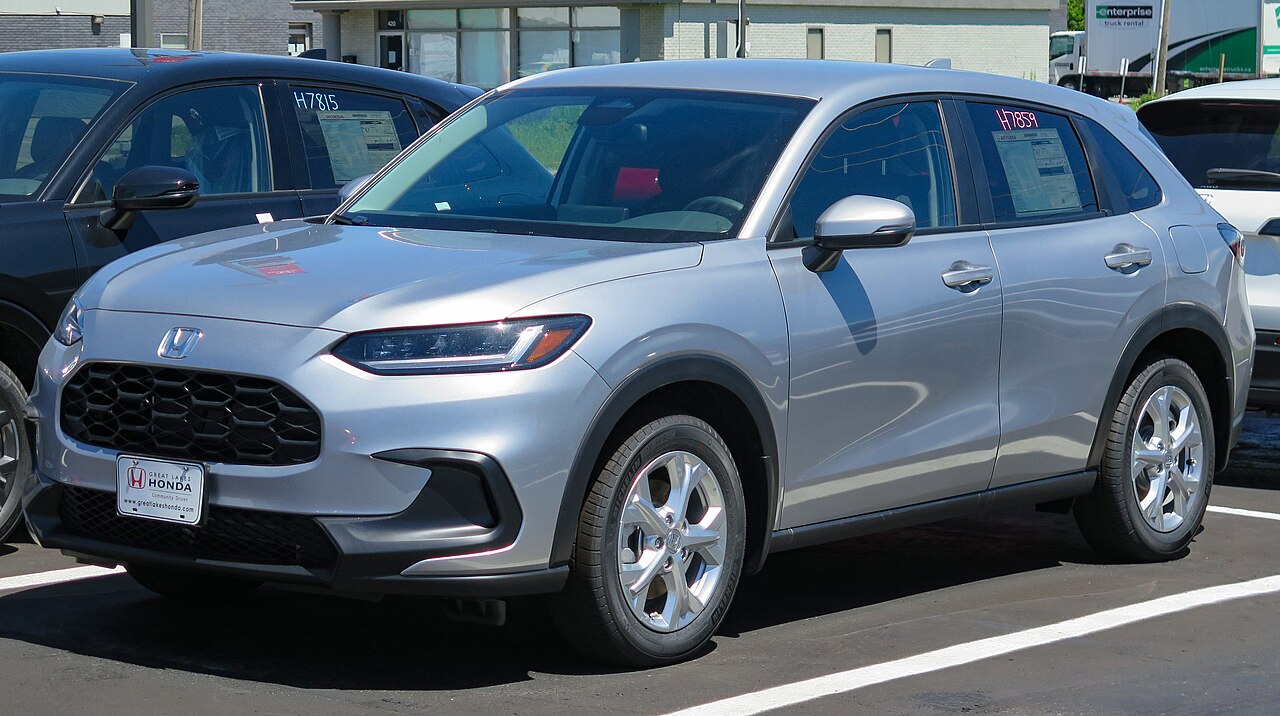
Honda R&D developed the first U.S. HR-V in Japan, where the related model launched as Vezel in 2013. Jeff Conrad, American Honda senior vice president and general manager of the Honda automobile division, announced the U.S. HR-V in 2014. Honda truck product-planning manager James Jenkins described its goal of attracting new buyers. The reviewed U.S. launch documents do not identify an individual chief engineer or designer.
The concept was born in Japan. The U.S. HR-V has been built from the start at Honda's plant in Celaya, Guanajuato, Mexico, alongside the Fit in its early years. Celaya was the first plant in the world to build the 2023 generation and, according to Honda de México, has assembled more than 1.1 million HR-Vs across two generations.
The original HR-V went on sale in Japan on September 22, 1998. Vezel followed in Japan on December 20, 2013. American Honda announced the U.S. HR-V in April 2014, and it reached dealers on May 15, 2015 as a 2016 model.
The HR-V name appeared on Honda’s Japanese model in 1998. Honda explains that Vezel combines bezel, the oblique faces of a cut gem, with V for vehicle, expressing charm that changes with the viewing angle.
In the mid-2010s Honda wanted an SUV smaller than the CR-V. American Honda saw the HR-V and the Fit as a major growth opportunity in small cars. It was conceived as a conquest vehicle: in 2015 Honda said about half of its buyers were new to the brand, and it did not take sales away from the CR-V.
Generation by generation
- Gen. 12016–2022
The Fit that became an SUV
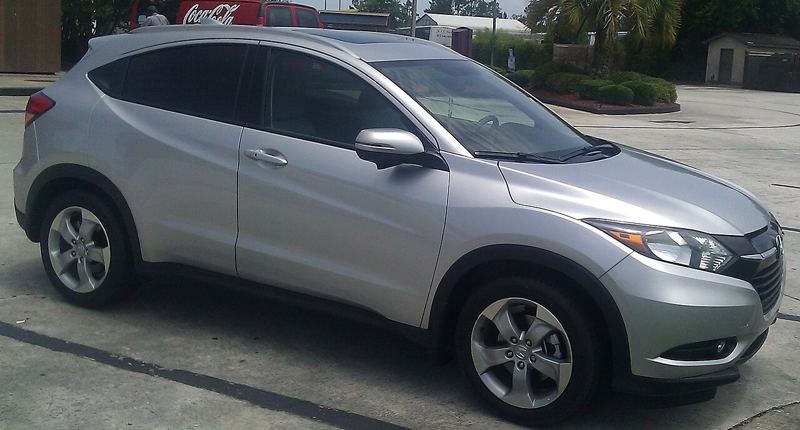
Photo: Bull-Doser · Public domain What changed. It was the first HR-V sold in the U.S., based on the Honda Fit and built alongside it in Celaya. It used a 1.8-liter engine with 141 hp and 127 lb-ft, with a six-speed manual or a CVT, and all-wheel drive available with the CVT. It started at $19,115 plus $880 destination. For 2019 it got a new face, the Sport and Touring trims, Apple CarPlay and Android Auto, and Honda Sensing standard from the EX trim up; the manual was dropped.
The innovation. Honda’s center-mounted fuel tank layout makes room for a second-row Magic Seat that folds completely flat into the floor. Tall Mode accommodates upright objects such as large plants.
If you buy one usedCheck NHTSA for these recalls: rear brakes with air pockets from poorly coated caliper pistons on certain 2016, 2018 and 2019 models (18V-777); a fuel pump that can fail and stall the engine on certain 2018–2020 models (20V-314, 21V-215 and 23V-858); a rearview camera that may show no image when started with a key on 2019–2022 models (23V-046, superseded by 24V-384, which needs the new fix even if the first one was done); and the front passenger seat weight sensor on 2019–2022 models (24V-064 and 26V-332). If you want Honda Sensing, look for a 2019 or newer in EX trim or above. - Gen. 22023–present
Bigger, on Civic bones
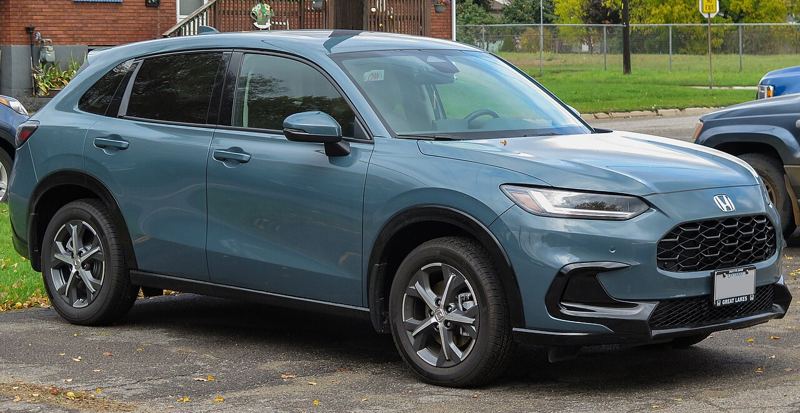
Photo: Elise240SX · CC BY-SA 4.0 What changed. It uses Honda’s enhanced global architecture shared with the 11th-generation Civic. It is 9.4 inches longer and 2.6 inches wider, with a 2.0-liter, 158 hp, 138 lb-ft engine and CVT, in front- or all-wheel drive. The rear seatbacks split 60/40 and fold flat. A Driver Attention Monitor was added. Dealer arrival began in June 2022, with a base price of $24,895 including destination.
The innovation. Honda’s Civic-related global architecture brought an independent rear suspension and a 1.7-inch longer wheelbase. Rear legroom increased and the longer cargo area accommodates longer items. This description covers the U.S. HR-V.
If you buy one usedCheck NHTSA for: front seat belt pretensioners missing a rivet on certain 2023–2024 models (23V-782); a steering gearbox that can become hard to turn from internal friction on certain 2023–2025 models (24V-744); a driver's seat cushion frame that may not have been tightened on certain 2024 models (24V-859 and 26V-054); and the fuel pump on certain 2023 models (23V-858). All are repaired free at a Honda dealer.
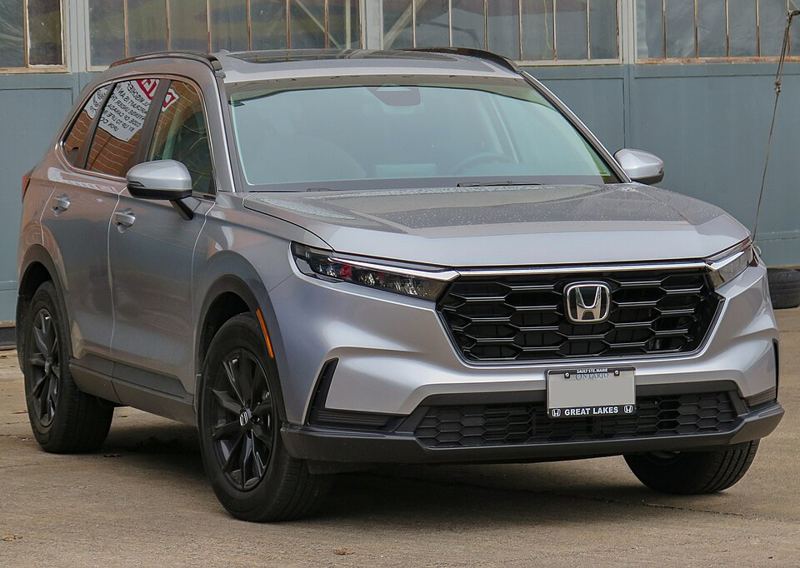 Honda CR-V1995–present
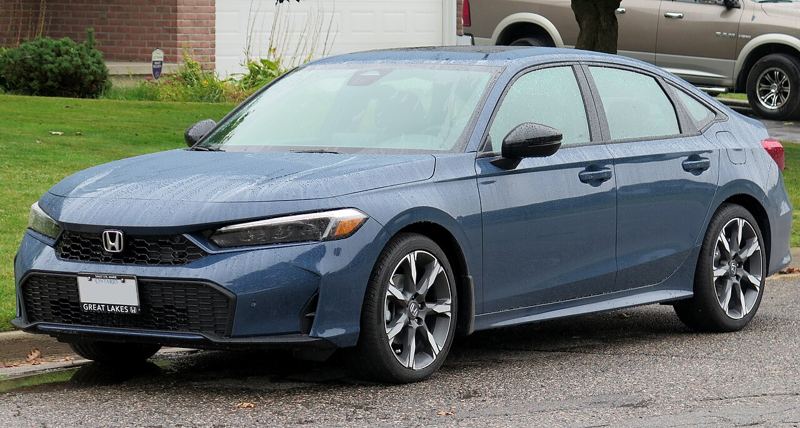 Honda Civic1972–present
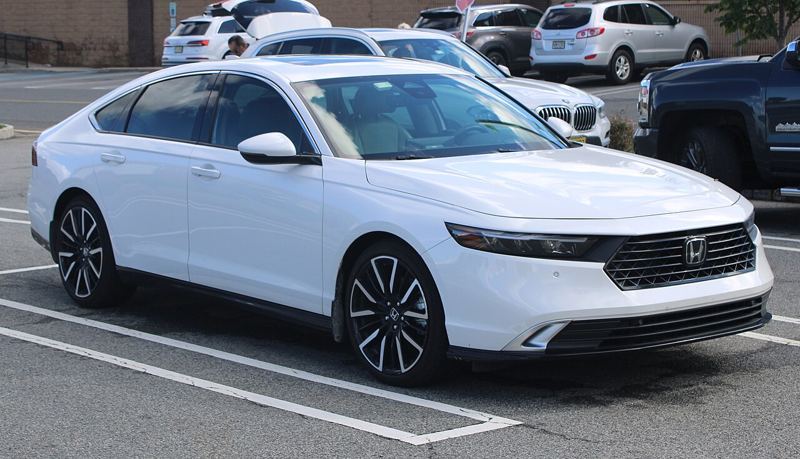 Honda Accord1976–present
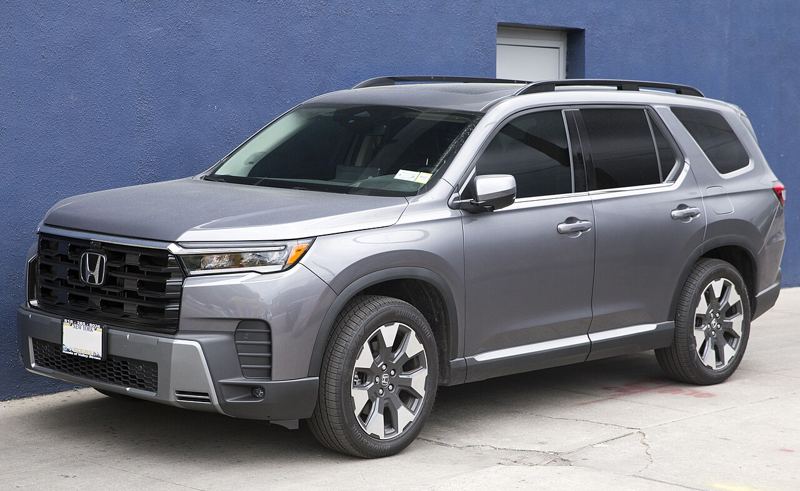 Honda Pilot2003–present
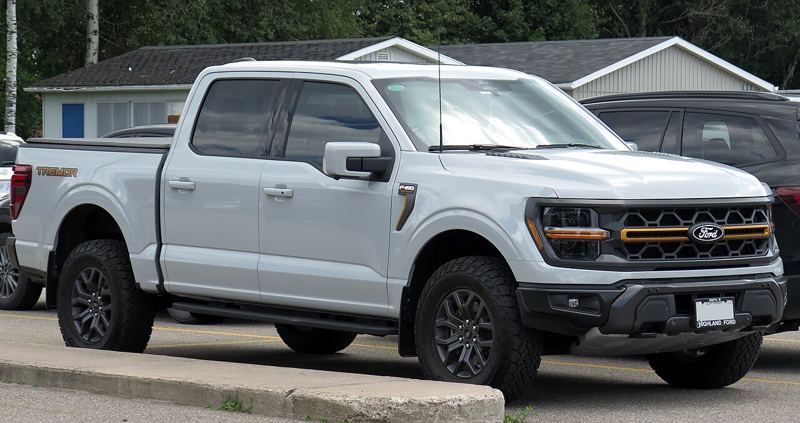 Ford F-Series (F-150)1948–present
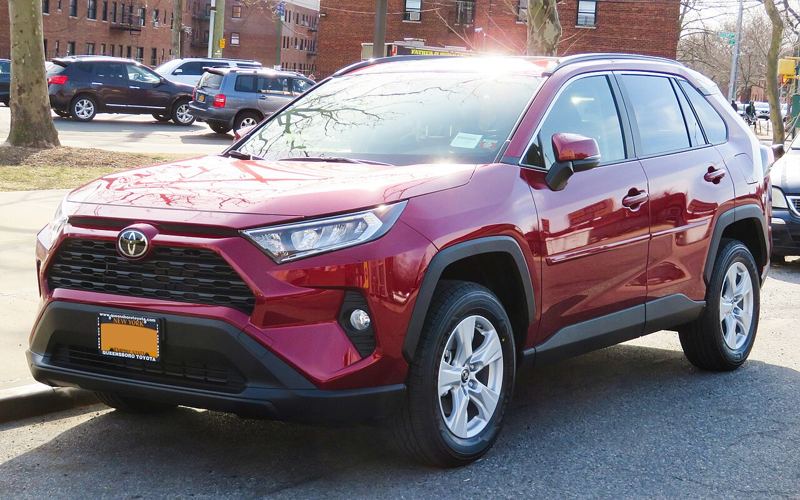 Toyota RAV41994–present (US from 1996)
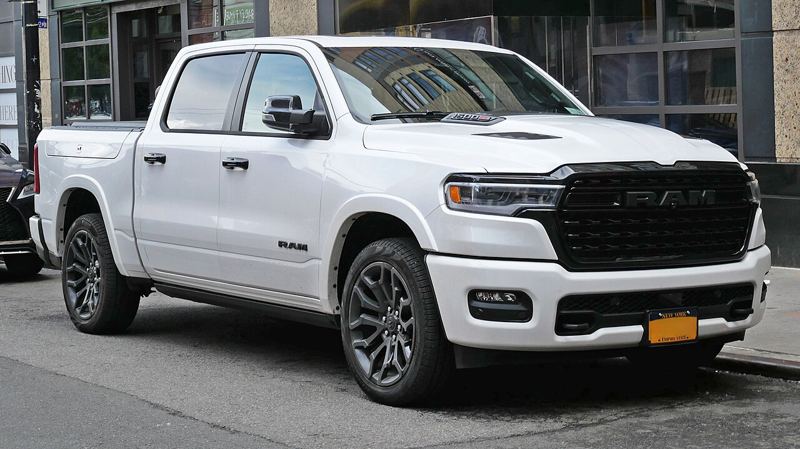 Ram 15001981–present
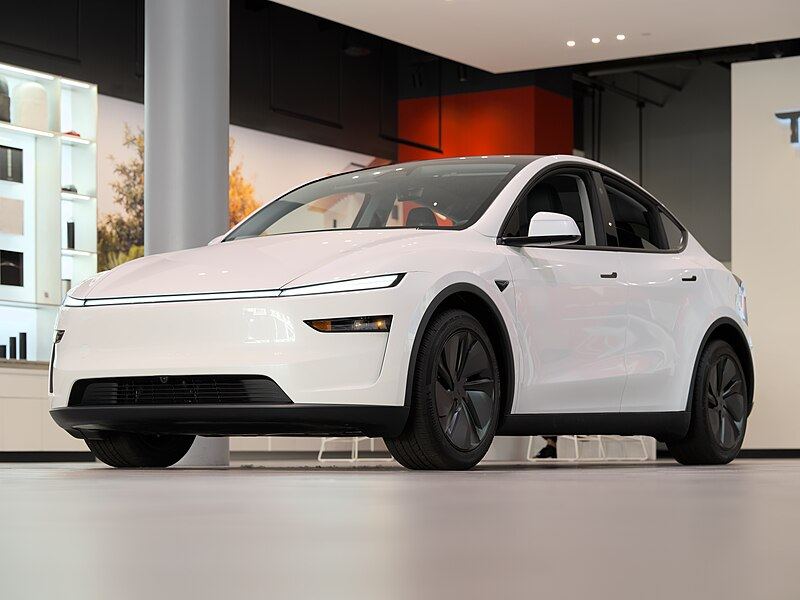 Tesla Model Y2020–present
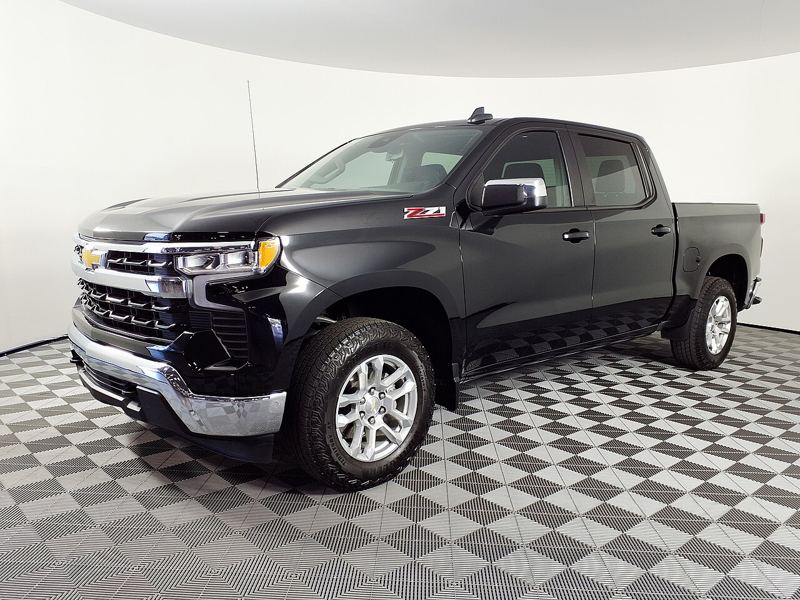 Chevrolet Silverado1999–present


