
Land Rover Discovery
Midsize/large three-row SUV · 1989–present. This review has not established this model’s 2024 U.S. sales.
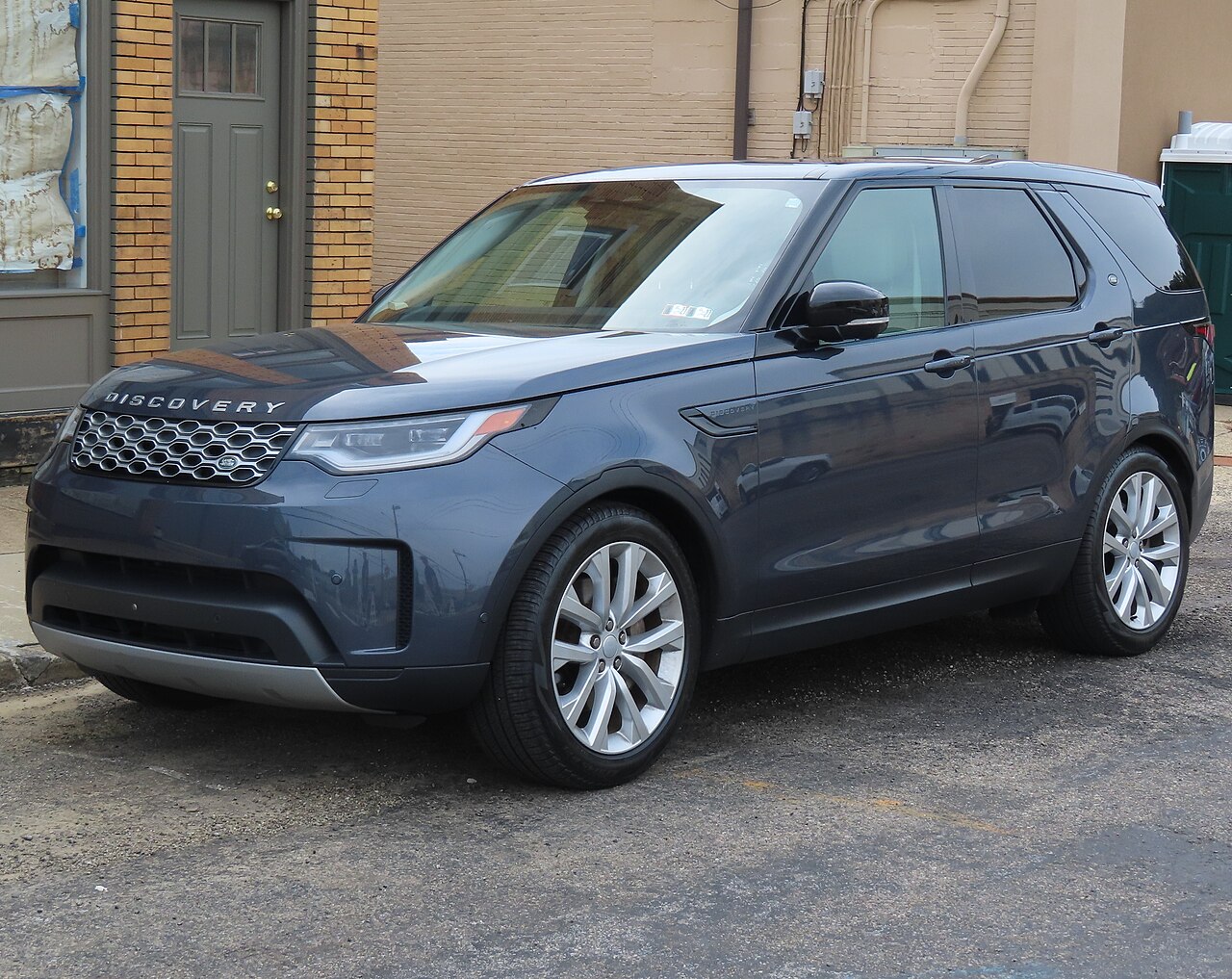

How it began
According to Land Rover, the project was championed in the 1980s by Tony Gilroy, then Land Rover's managing director. It was developed under the code name Project Jay, on a tight budget with parts taken from the group's parts bins, and the interior was created with the Conran Design studio. The fifth-generation Discovery of 2016 came from the team of Gerry McGovern, Land Rover's chief design officer; the 2020 update involved Mike Cross, chief engineer for vehicle integrity.
Discovery was designed in the United Kingdom and built at Solihull near Birmingham for nearly three decades. The millionth Discovery was assembled there in 2012, and original North America documentation identifies Solihull as the LR3’s production site. Discovery production subsequently moved to Nitra, Slovakia. JLR’s October 25, 2018 factory-opening release says the first Nitra Discovery had already come off the line that September. In 2023 the plant reported over 365,000 Defender and Discovery vehicles produced in total.
Discovery debuted at the 1989 Frankfurt IAA. It reached the United States as MY1994, with a period published base price of $28,900. North America used the LR3 name for MY2005–2009 and LR4 for MY2010–2016. The fifth generation was revealed on September 28, 2016; its U.S. launch was announced for mid-2017, and JLR’s May 2017 sales report confirms it had just arrived in showrooms.
Land Rover associates Discovery with families who go out and explore. Its 1989 arrival also helped create the need for a distinct name for the original Land Rover, which became Defender in 1990. In North America, LR3 and then LR4 replaced the Discovery badge from MY2005 through MY2016. MotorWeek suggested a more upscale image as a possible reason for the change. The Discovery name returned in 2017.
Land Rover created Discovery as a capable family 4x4 below the increasingly luxurious Range Rover. Project Jay combined Range Rover components with a new body, seating for up to seven and a fresh interior developed with Conran Design. Its accessible family role broadened the range beyond the traditional working Land Rover. The manufacturer describes Discovery as an immediate success.
Generation by generation
- Gen. 11989–1998 · Discovery (Series I)
The family Land Rover that filled the gap
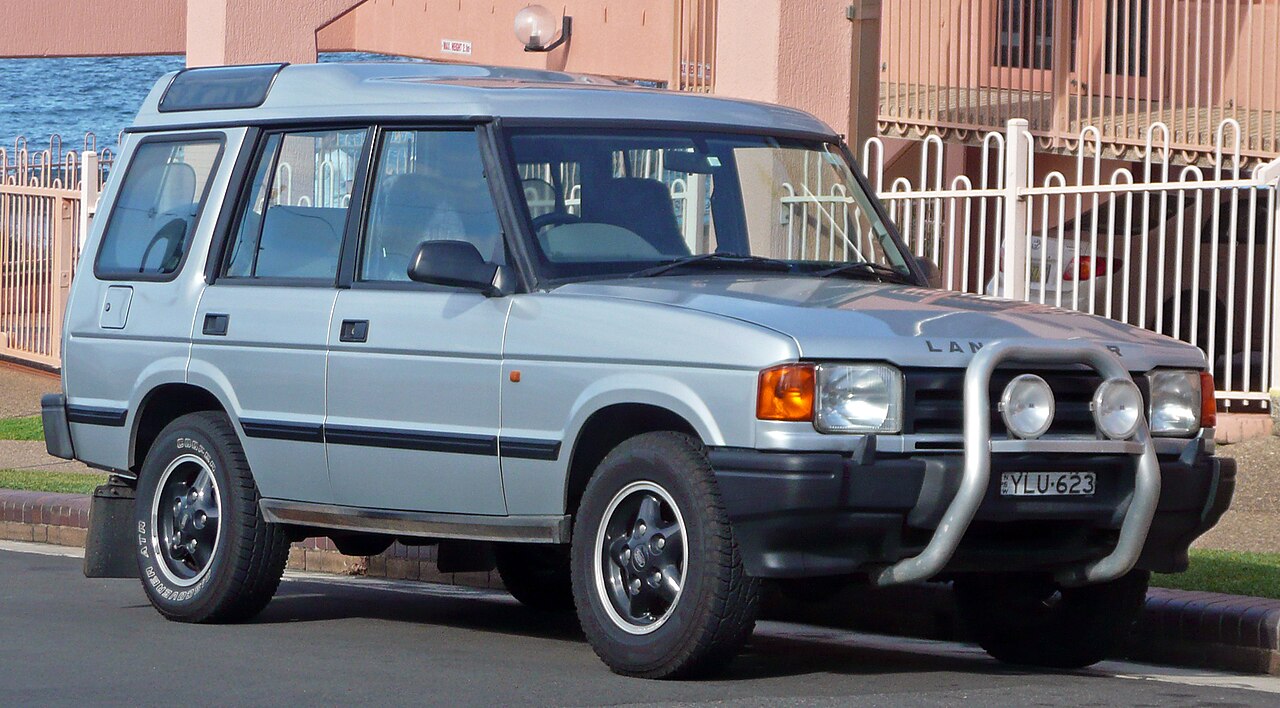
Photo: OSX · Public domain What changed. It was an all-new model between the Defender and the Range Rover. It was born with just two side doors, a stepped roof that left room for an optional third row of side-facing seats, and the spare wheel on the rear door. It launched with the new direct-injection 200TDi turbodiesel and a V8. In the United States it arrived in 1994 with a 182-hp, 3.9-liter aluminum V8 and a five-speed manual or ZF four-speed automatic.
The innovation. The stepped roof with Alpine windows, which created the stadium silhouette the Discovery still wears today. Inside, an interior designed with Conran Design: a shoulder bag for the owner's manual (with off-road driving tips and worldwide service information), roof nets and pockets, and two optional sunroofs.
If you buy one usedFor U.S.-market models (1994–1998), NHTSA lists these recalls: a cruise control wire could chafe and overheat the steering wheel rotary coupler, risking an unintended driver airbag deployment (98V040, 1994–1998); the right front door could fail to latch fully (96V247, 1995–1996); wrong-size nuts on driveshafts reinstalled at the port (95V099, 1995); and replacement rear driveshaft couplings, part TVF100010, manufactured April–November 2011 that could separate (12E010: certain 1995–1999 Discovery and 1999–2004 Discovery II vehicles with those service parts). Inspect the body and frame for corrosion. Check the exact VIN, installed replacement parts and manufacturer/dealer repair records, including older campaigns that the standard VIN tool may omit. - Gen. 21998–2004 · Discovery Series II
More room, more electronics and the V8 for America
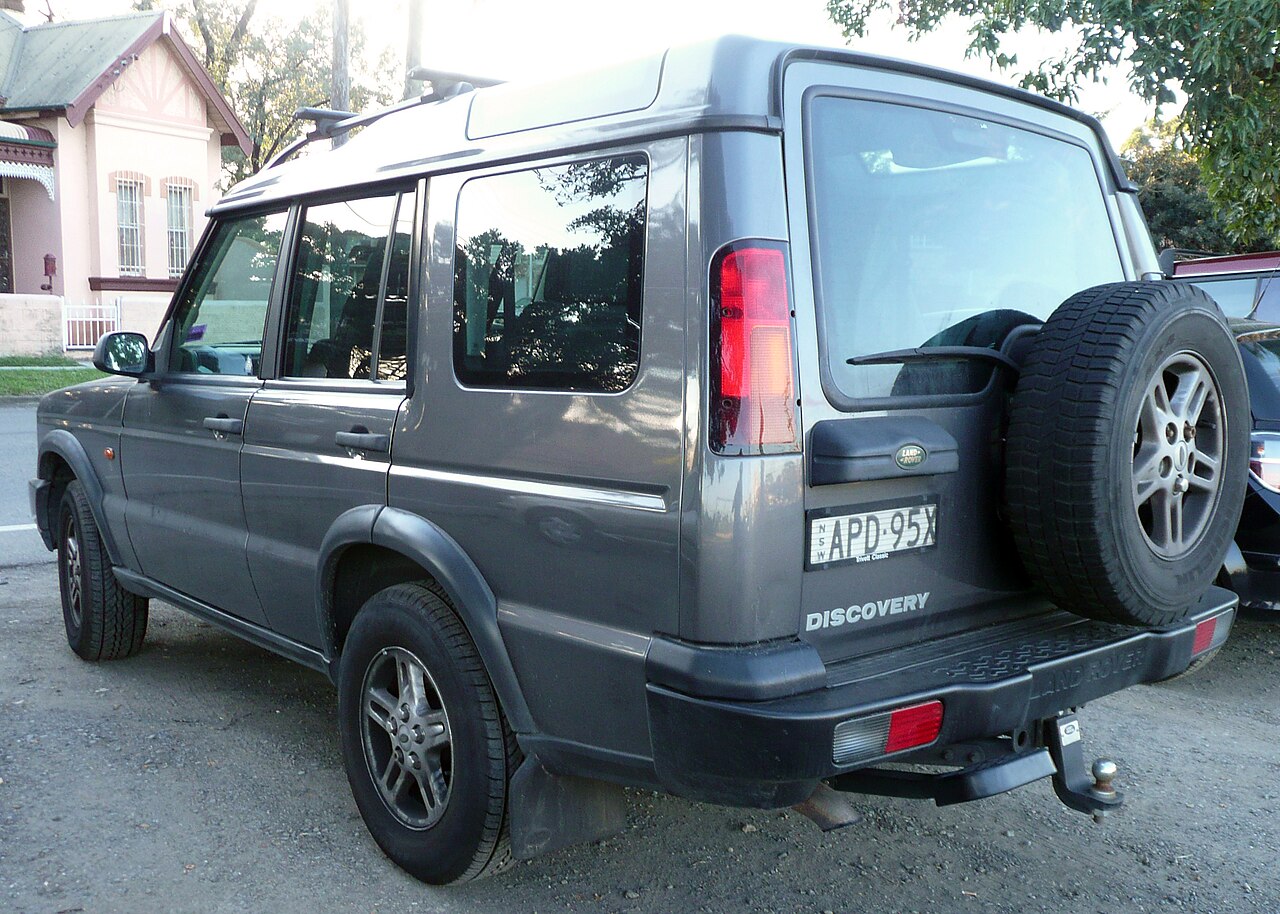
Photo: OSX · Public domain What changed. Discovery II debuted in 1998 with added space and electronic systems including traction control and Hill Descent Control. Leather-trimmed ES versions continued a luxury trim name already documented in 1994. Europe offered the five-cylinder Td5 diesel. Early U.S. Series II models used a 4.0-liter V8 quoted at 188 hp; for MY2003, a 4.6-liter V8 raised output to 217 hp. The U.S. transmission was a four-speed automatic.
The innovation. Optional Active Cornering Enhancement used hydraulic actuators to apply torque to the front and rear torsion bars, reducing body roll in corners. The bars remained part of the system. Hill Descent Control supplemented engine braking by automatically applying the brakes on steep descents in low range. Together these systems expanded Discovery II’s electronic assistance on and off the road.
If you buy one usedNHTSA lists: the ABS pump relay could stick (99V237, 1999); water in the automatic transmission fluid that could defeat the park function and let the vehicle roll if the handbrake was not set (00V377, 1999–2001); a throttle that could stick intermittently (03V133, 2003); and the 2011 replacement rear driveshaft couplings (12E010, 1999–2004). Campaign 00V036 covers certain 1999–2000 vehicles with an ACE hydraulic pipe that may fracture; 00V423 covers certain 2000 vehicles with that pipe concern. Consumer Guide also reports heater-hose coolant leaks from insufficiently tightened clamps on 1999 4.0-liter vehicles. These are reported inspection points; confirm the exact VIN and repair history. - Gen. 32004–2009 · Discovery 3 / LR3
LR3: Terrain Response and seven adults aboard
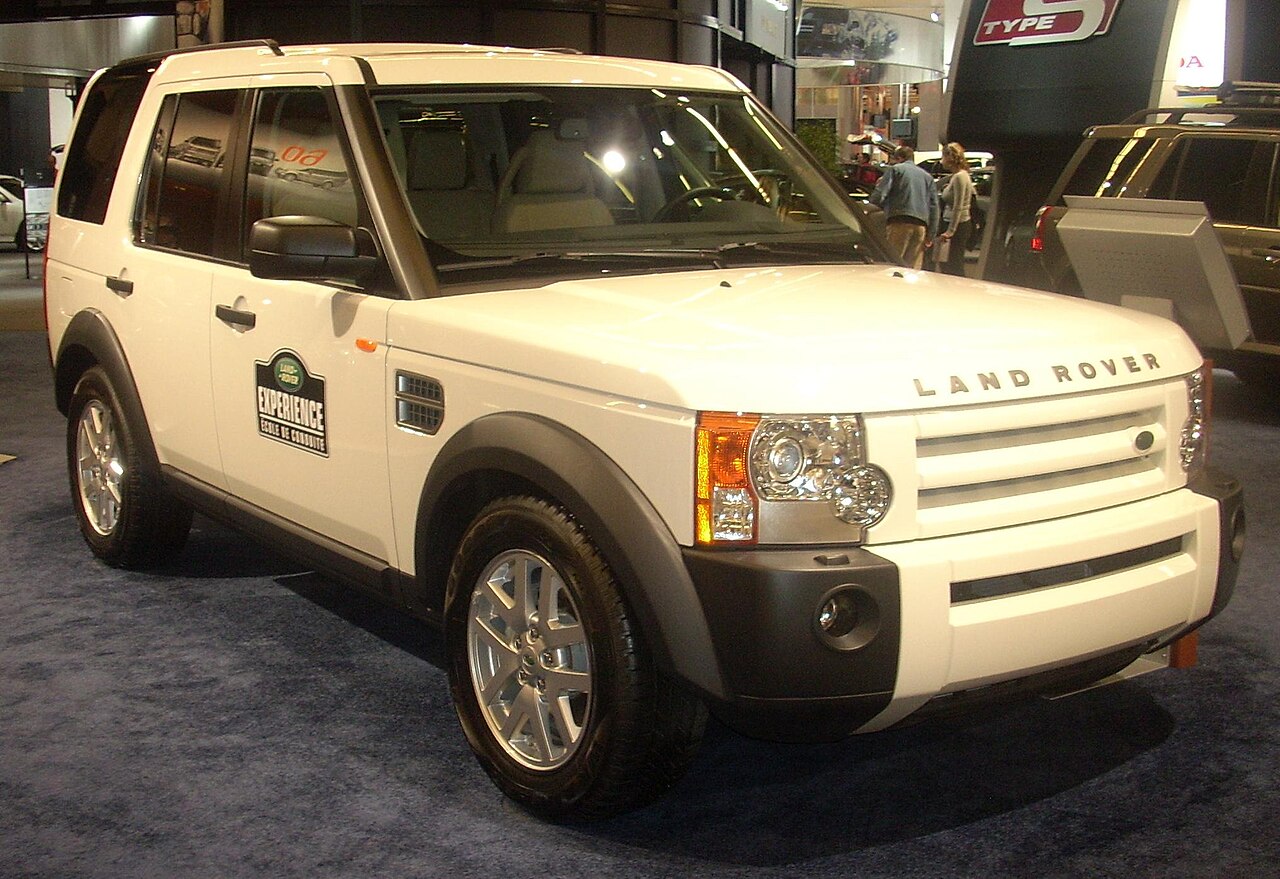
Photo: Bull-Doser · Public domain What changed. All-new, it was sold in North America as the LR3. It introduced the Land Rover-developed Integrated Body-frame architecture, independent double-wishbone air suspension and seating for seven adults, with third-row access through the rear doors. The rear door was redesigned and the spare wheel moved under the vehicle. In the United States it arrived in fall 2004 with a Jaguar-based 4.4-liter V8, 300 hp and a six-speed automatic, from $44,995 (SE) and $49,995 (HSE); a 216-hp 4.0-liter V6 joined in mid-2005.
The innovation. Terrain Response: a single knob that coordinates ride height, transmission, differentials, stability and traction control, hill descent and throttle response to suit the terrain, with five modes. Land Rover says it evolved from Hill Descent Control.
If you buy one usedNHTSA lists: fracture of the driver airbag circuit in the clockspring, in a campaign population of 37,142 potentially affected vehicles across 2005–2006 LR3 and 2006 Range Rover Sport (08V248); an out-of-spec internal fuel tank breather pipe (05V376 and 07V011, 2005–2006); a key that could be removed when not in Park (06V131, 2005–2006); and, on some 2006s, the transmission parking pawl guide plate (05V502) and incorrectly built seat belt buckle mountings (05V501). Consumer Guide reports rear main seal oil leaks (2005–2007) and corrosion of an air suspension connector (2005–2006). - Gen. 42009–2016 · Discovery 4 / LR4
LR4: more luxury, a 5.0-liter V8 and cameras all around
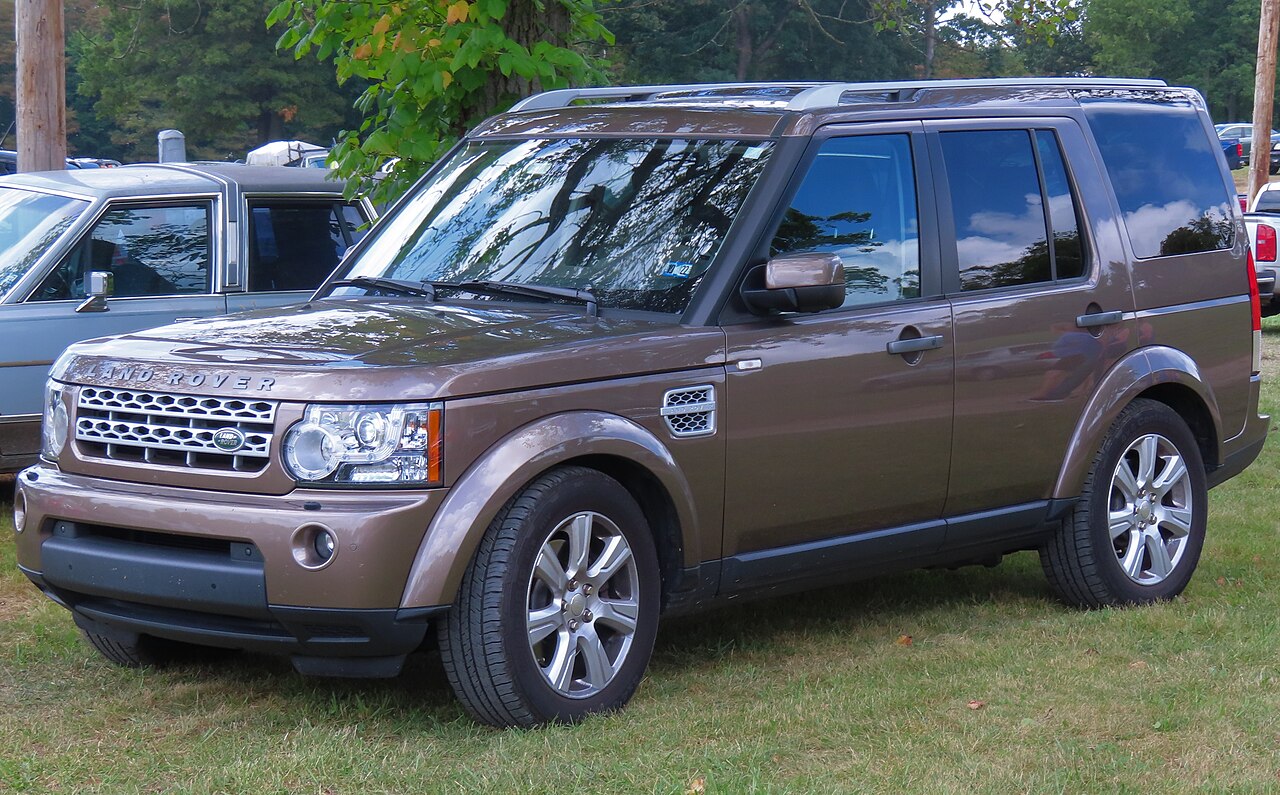
Photo: MercurySable99 · CC BY-SA 4.0 What changed. It kept the LR3's square, stepped silhouette but changed almost everything underneath: engine, technology, interior and name. The 2010 model brought an aluminum 5.0-liter V8 with 375 hp and 375 lb-ft (25 percent more power than the 4.4), a ZF six-speed automatic, bigger brakes and a 7,700-lb towing rating. It started at $48,100; the LUX reached $57,665.
The innovation. A smarter Terrain Response: a new Sand Launch Control program for starting in sand and a Rock Crawl mode able to brake automatically in tricky low-speed situations. Land Rover also highlights the optional Surround Camera System.
If you buy one usedNHTSA lists: the fuel tank outlet flange could crack and leak on certain affected 2010–2016 LR4s with the 3.0-liter V6 or 5.0-liter V8 (21V635); panoramic roof adhesive with the wrong primer on units built August 15 to September 18, 2012 (15V386, 2012–2013); the tire pressure monitoring system could give false warnings and mask a real loss of pressure (14V618, 2013–2014); lug nuts that could crack (15V092) and an ABS software error affecting stability control (15V214), both on 2015s; and a driver airbag that might not inflate properly on units built in May 2016 (16V444). Check by VIN that everything has been done. - Gen. 52016–present · Discovery 5 (L462)
Aluminum, 480 kg lighter and the name back
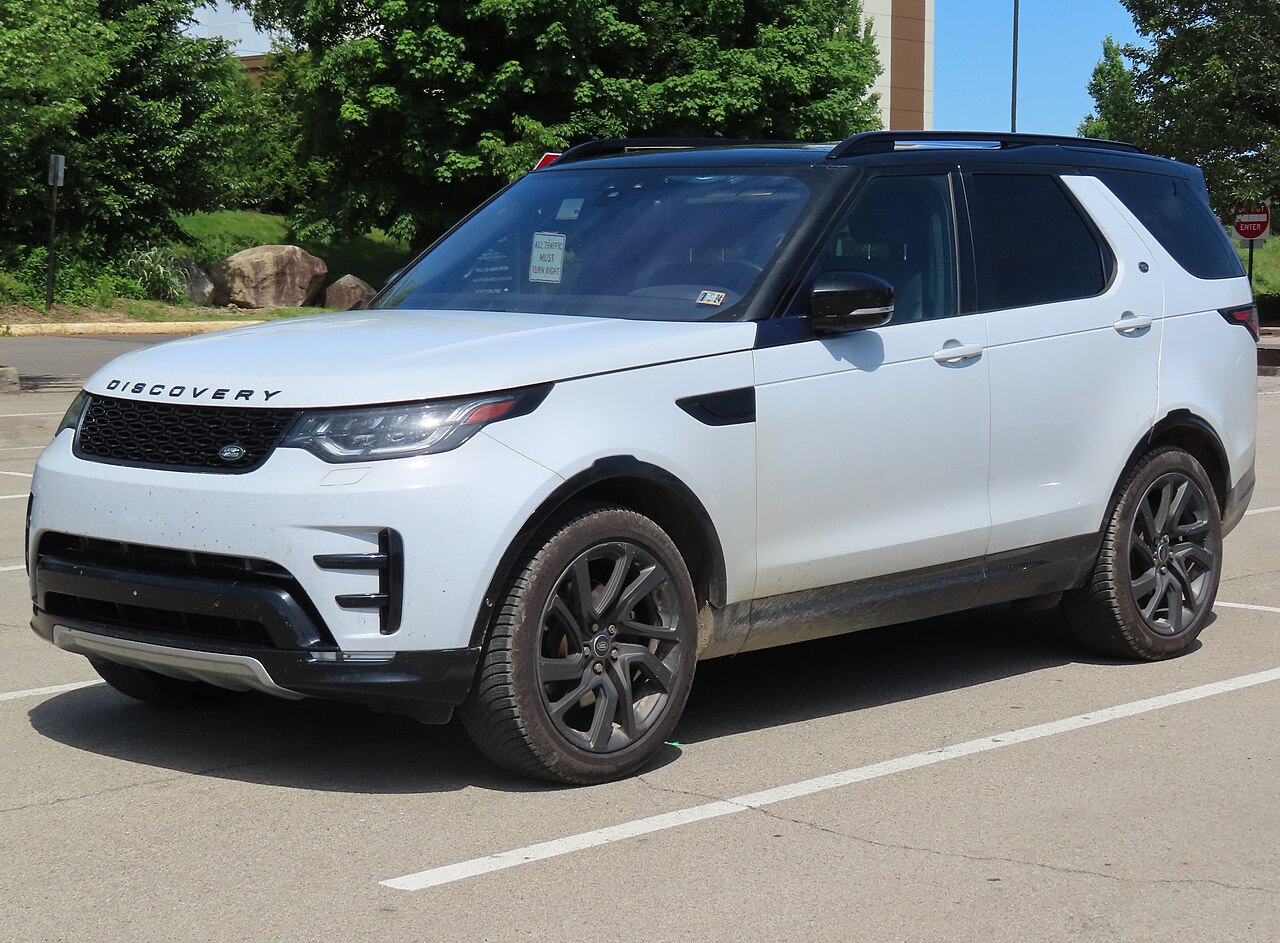
Photo: MercurySable99 · CC BY-SA 4.0 What changed. Revealed on September 28, 2016, it swapped steel construction for an aluminum monocoque shared with the Range Rover and Range Rover Sport, saving 480 kg versus the steel ladder frame (about 1,000 lb lighter than the LR4). It wades through 900 mm of water and tows 3,720 kg in the U.S. It reached the country in mid-2017, replacing the LR4, from $49,990, with a 340-hp supercharged V6 or a 254-hp Td6 turbodiesel. The November 2020 update brought 48-volt mild-hybrid six-cylinder engines, an 11.4-inch Pivi Pro screen and over-the-air updates across up to 44 modules.
The innovation. Intelligent Seat Fold, which Land Rover introduced as a world first: the second and third rows rearrange from controls in the cargo area, the central touchscreen or a smartphone app. And the Activity Key, a waterproof wristband that locks and unlocks the vehicle when held to the letter D on the tailgate badge, so the regular key can stay inside while you swim or run.
If you buy one usedNHTSA lists several recalls, with free remedies for eligible affected vehicles. Doors and locks: the UniLatch system might not latch the rear doors properly (23V393, 2017–2020). Electrical: a loose battery ground stud contact (20V694 and 21V457, 2019–2021); the mild-hybrid DC-DC converter (26V248 and 26V599, 2021–2024); a driver airbag clockspring connector that could corrode (26V389, 2021–2026). Engine: crankshaft pulley bolt on certain 2019 vehicles with the 3.0-liter supercharged V6 (19V040); cam carrier oil channel (23V044, 2022–2023); oil filter housing (24V450, 2024). Safety: autonomous emergency braking that could switch off without warning (18V625, 2018), trailer lights that may fail with daytime-running lights on and a connected trailer on certain vehicles with low-line headlight assemblies (20V143, 2017–2018), missing fasteners in the second-row seat frame (20V053, 2020), seat belts (21V668 and 22V523) and insufficient drainage for the rearview camera (26V458, 2021–2025). Campaign 26V599 expands 26V248; their notices describe interim notification followed by a later final-remedy notice, so confirm current remedy availability. Check the exact VIN and completed repairs with the manufacturer/dealer and NHTSA.


From model history to your own vehicle
Other cars
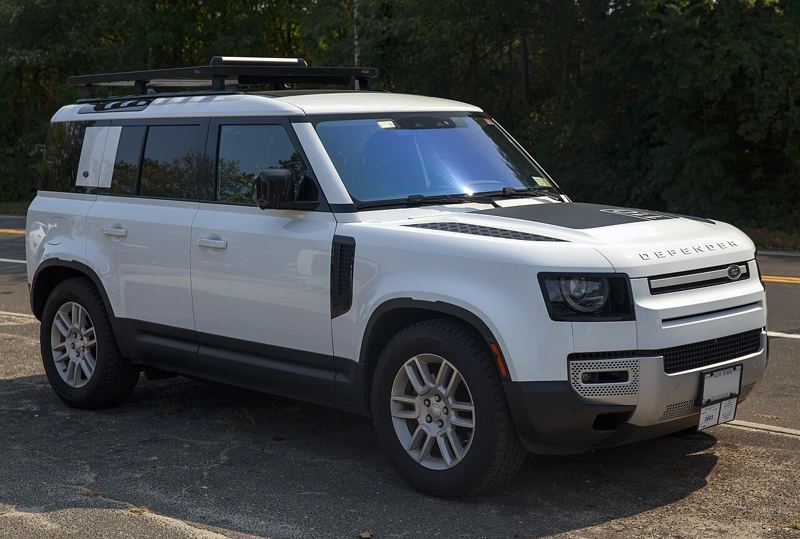 Land Rover DefenderDefender name introduced in 1990
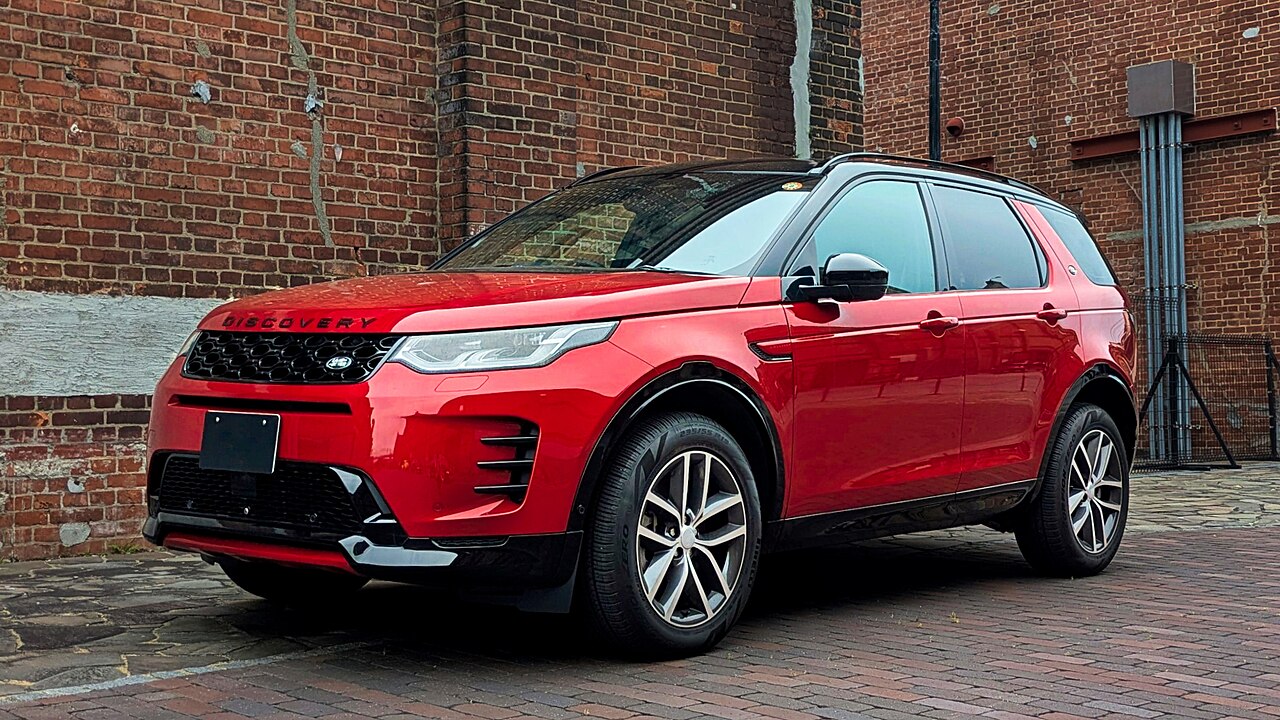 Land Rover Discovery Sport2015–present
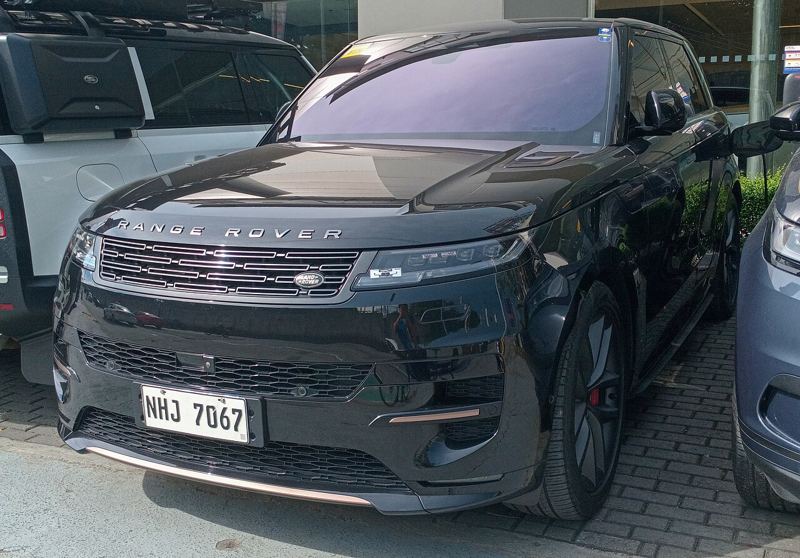 Land Rover Range Rover Sport2005–present
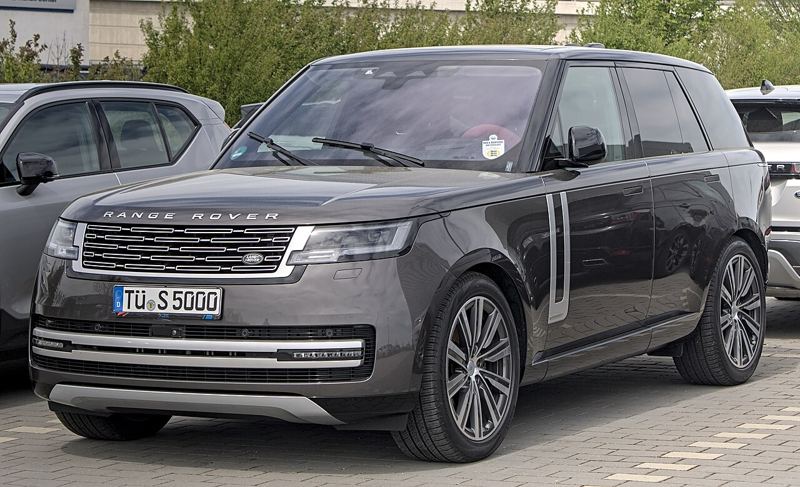 Land Rover Range Rover1970–present
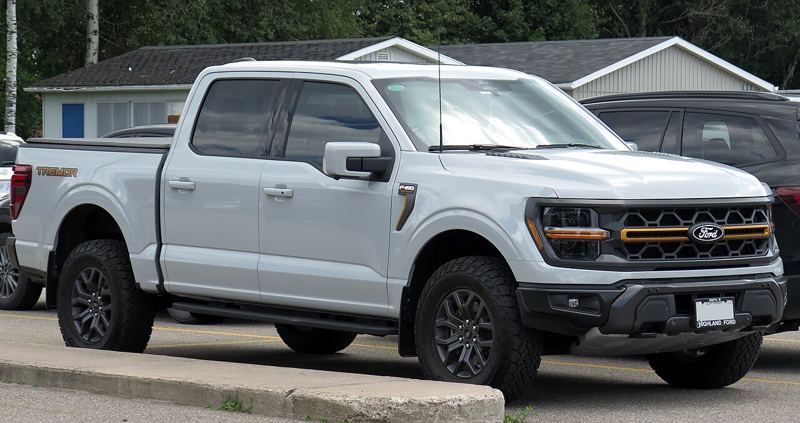 Ford F-Series (F-150)1948–present
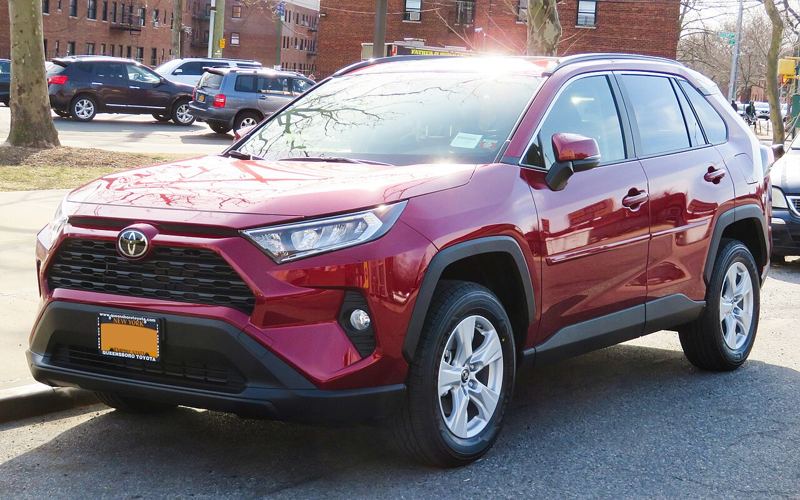 Toyota RAV41994–present (US from 1996)
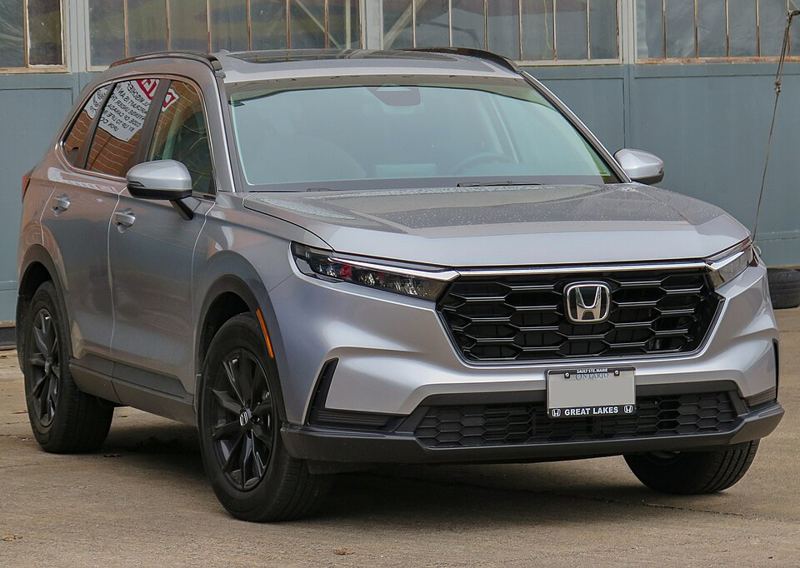 Honda CR-V1995–present
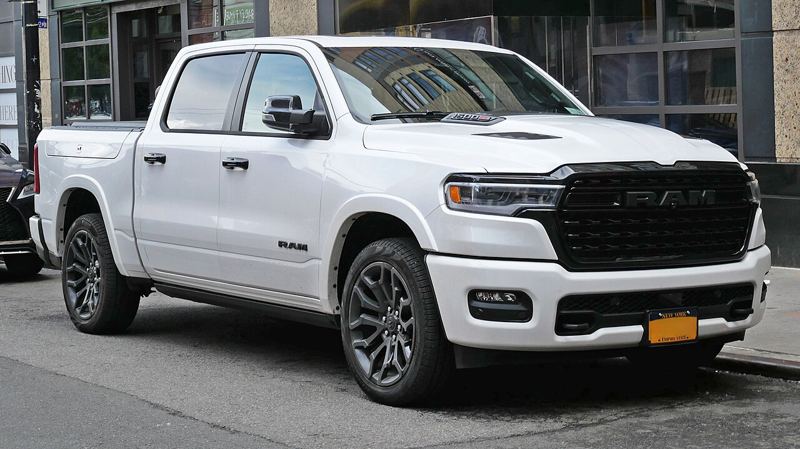 Ram 15001981–present
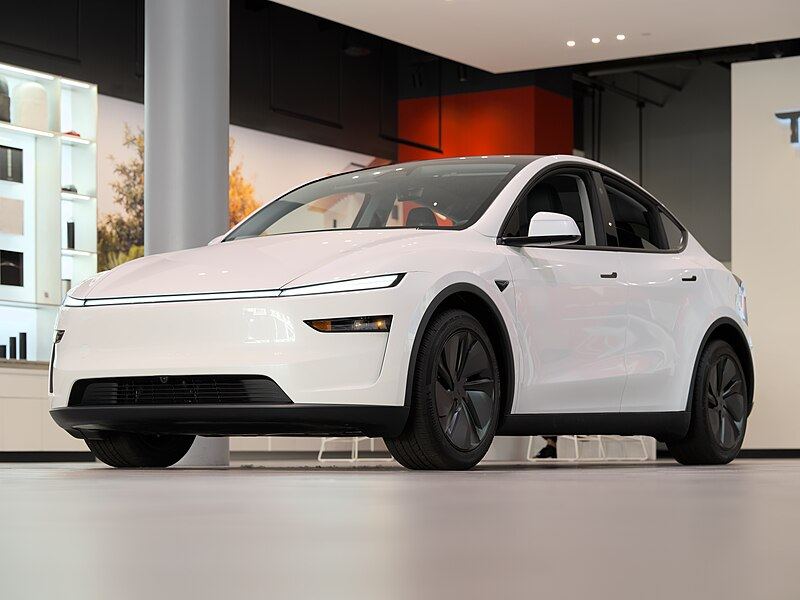 Tesla Model Y2020–present