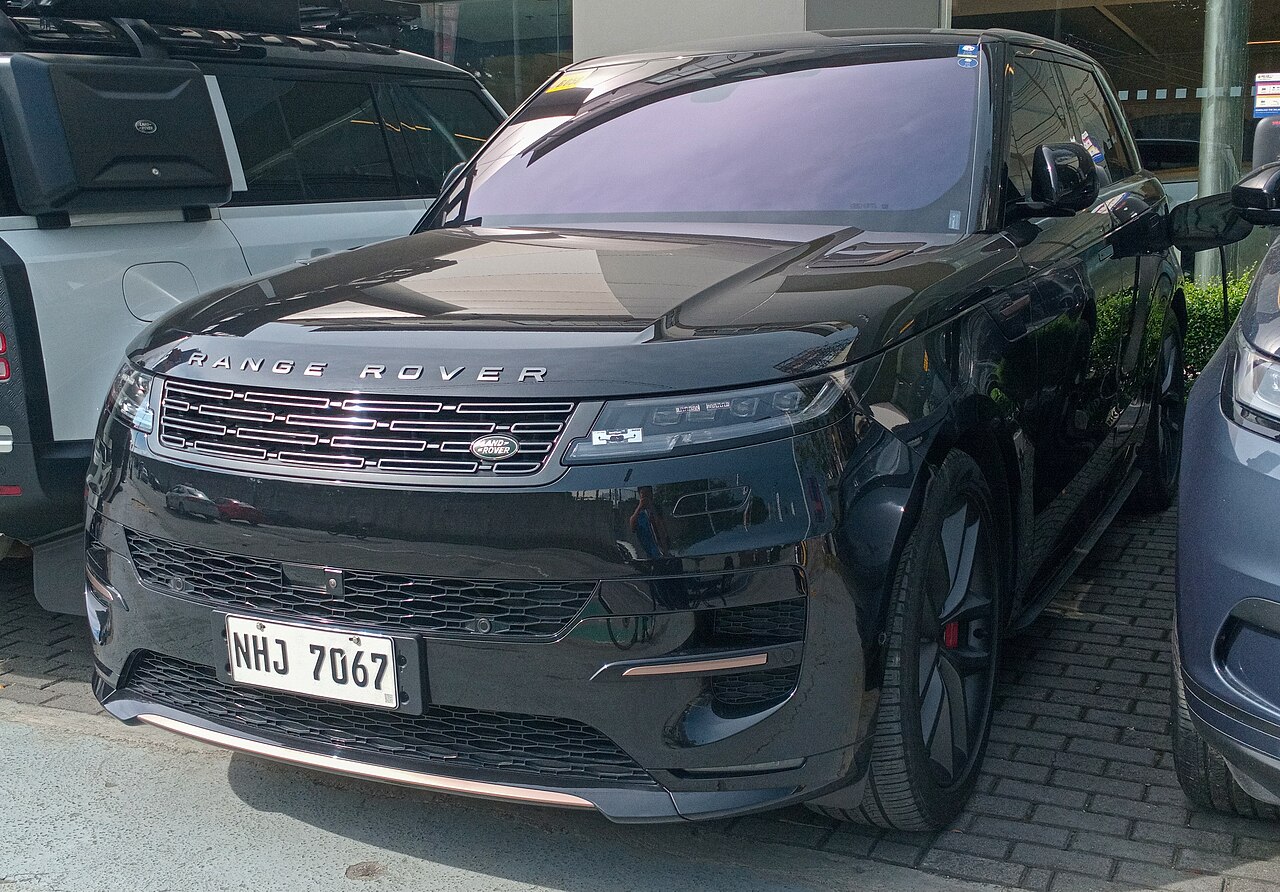
Land Rover Range Rover Sport
Midsize/large luxury performance SUV · 2005–present. This review has not established this model’s 2024 U.S. sales.
How it began
The idea goes back a long way: in the mid-1960s Charles Spencer 'Spen' King, Rover's engineering chief for new vehicle projects and a nephew of Land Rover's founders, set out to combine the comfort of a Rover sedan with the off-road ability of a Land Rover, and the 1970 Range Rover was born. For the Range Rover Sport, design of the Range Stormer concept was led by Richard Woolley, and Matthew Taylor, then Land Rover's managing director, presented it as a preview of the new model. The second generation arrived under design director Gerry McGovern, with John Edwards as global brand director. On the third, McGovern signs as Range Rover's chief creative officer and Nick Collins as executive director of vehicle programs.
It is designed and engineered at Land Rover's development centers in the United Kingdom. The first generation was built in England; the second at a low-energy plant in Solihull, and the third is built exclusively in Solihull, the historic home of the Range Rover, alongside the full-size Range Rover. That is where the ones sold in the United States come from.
Range Stormer, described by Land Rover as its first concept car, appeared at Detroit in January 2004. Land Rover published the production Sport’s first view on November 26, 2004, before its January 2005 Detroit show debut. The original U.S. road test identifies it as MY2006, with Sport HSE priced at $56,750.
Range Rover is the name of the luxury 4x4 that Land Rover launched on June 17, 1970. With the Sport, in 2005, the Range Rover stopped being a single vehicle and became a family. Land Rover describes it just as its surname suggests: the luxury and capability of the full-size Range Rover with a sporty, more engaging driving character.
Land Rover added a fifth nameplate to attract buyers in the performance-SUV segment, emphasizing on-road driving while retaining off-road capability. The original MotorWeek test describes a younger buyer, a fastback roof and a 108-inch wheelbase more than five inches shorter than the LR3 and full-size Range Rover. A later firsthand recollection describes some observers calling it the poor man’s Range Rover. The original manufacturer later reported more than 380,000 first-generation sales by March 2013.
Generation by generation
- Gen. 12005–2013 · L320
Short wheelbase and a stronger focus on road performance
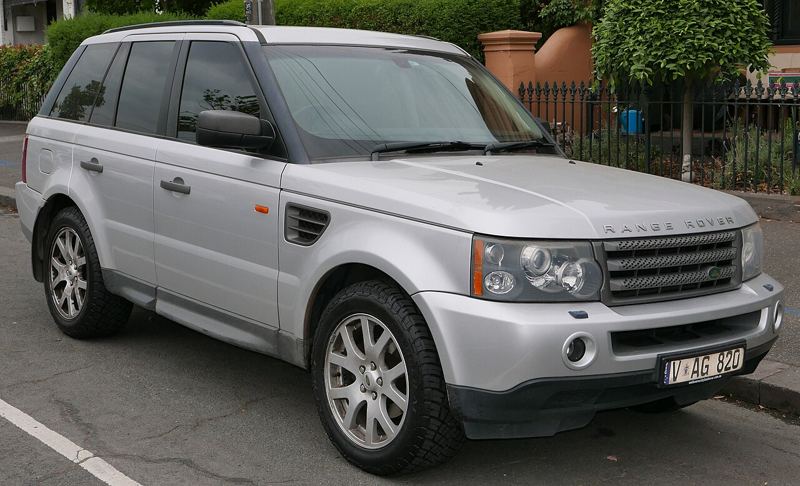
Photo: OSX · Public domain What changed. It was the first of its name: it shared the LR3's architecture, with a 108-inch wheelbase, an aggressive front end and a fastback roof. In the U.S. it arrived with a 4.4-liter V8 making 300 hp or a 4.2-liter supercharged V8 making 390 hp, both with a ZF six-speed automatic. For the 2010 model year it got two new 5.0-liter V8s (375 hp, and 510 hp supercharged), LED headlights, a dashboard with half the switches and Brembo brakes on the Supercharged. By 2013 sales had passed 380,000 units.
The innovation. The Dynamic Response system, which counteracts body roll in corners and, according to MotorWeek, improved both handling and ride comfort over the LR3. Plus the Terrain Response selector, first shown on the Range Stormer concept, which put the programs for road, snow or gravel and three off-road surfaces on a single dial.
If you buy one usedNHTSA lists for the 2006 model recall 08V248 (driver airbag wiring that could fracture in a campaign population of 37,142 potentially affected LR3 and Range Rover Sport vehicles; confirm the exact model year and VIN), the transmission parking pawl guide plate (05V502), a key that could be removed outside Park (06V131) and a left-front brake hose that could contact balance weights with specified 9J-19-inch wheels (06V135). On 2010–2011 models the rear spoiler cover could detach (20V623), and on 2010–2013 models the fuel tank outlet flange could crack and leak (21V635). Consumer Guide also documents, air-suspension compressor exhaust-valve leaks and roof-drain water leaks on 2006 models, plus steering knock in its 2005–2007 source range. Check the VIN at nhtsa.gov and ask for the air suspension service history. - Gen. 22013–2022 · L494
Aluminum, Daniel Craig and the fastest SUV at the Nürburgring
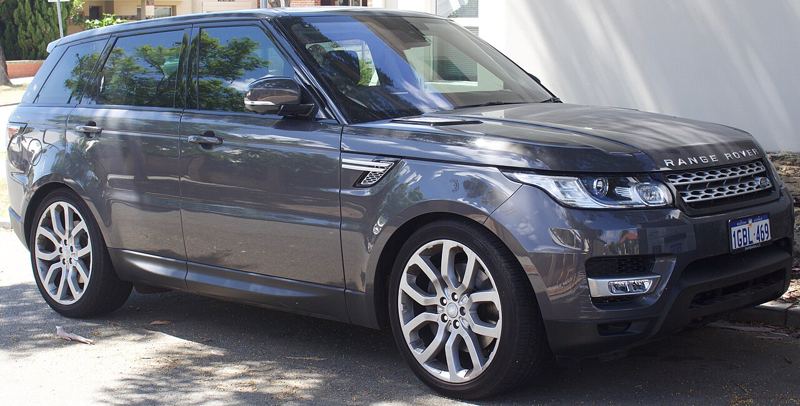
Photo: EurovisionNim · CC BY-SA 4.0 What changed. Actor Daniel Craig introduced it on March 26, 2013, driving it live through Manhattan. Its aluminum structure, a first in its segment, cut up to 420 kg (about 800 pounds on the U.S. version), and it gained 178 mm of wheelbase, an optional 5+2 third row and an eight-speed automatic. In the U.S. it started at $63,495 with a 340 hp supercharged V6 or a 510 hp supercharged V8. The 550 PS SVR was revealed in 2014, ahead of showroom arrival in 2015; P400e, JLR’s first plug-in hybrid, was globally revealed in October 2017. The original North America announcement introduced Ingenium mild-hybrid six-cylinders for MY2019 Sport on March 4, 2019.
The innovation. Wade Sensing, a feature that shows the driver the water depth when fording, very useful since maximum wading depth rose by 150 mm to 850 mm. And in July 2014 the SVR lapped the Nürburgring Nordschleife in 8 minutes 14 seconds, the fastest production SUV around that circuit.
If you buy one usedNHTSA lists several recalls, with free repairs for eligible affected vehicles. Doors: on 2014–2016 models the doors could stay unlatched because of the keyless latching system (15V385, 19V392 and its follow-up 20V387; on 2016s, 19V390 and 20V325). Airbags and belts: passenger classification that could disable the passenger airbag on 2014–2015 models (15V093), a passenger inflator that might not fire on 2016s (16V941 and 17V154) and the driver's belt retractor on 2016–2017 models (19V350 and 22V219). Suspension: the front upper knuckle joint could crack on 2014–2017 models (25V514, owner letters mailed May 11, 2026). Engine: crankshaft pulley bolt on 2019 V6 and V8 engines (19V040) and the cam carrier oil channel on 2019–2022 models (23V044). Electronics: automatic emergency braking that could switch off without warning on 2018s (18V625), water in the rearview camera on certain 2018–2022 models with Surround Camera System (24V023 and 24V364) and the DC-DC converter on 2019–2022 mild hybrids, which could leave the vehicle without drive power (26V248 and 26V599). Look up the VIN at nhtsa.gov. Campaign 24V364 requires a new remedy after 24V023; 22V219 replaces 19V350 and can require another remedy after an earlier inspection without belt replacement. The converter notices describe interim notifications and later final-remedy letters; confirm current availability for the exact VIN. - Gen. 32022–present · L461
Reductive design, plug-in hybrid and a dam in Iceland
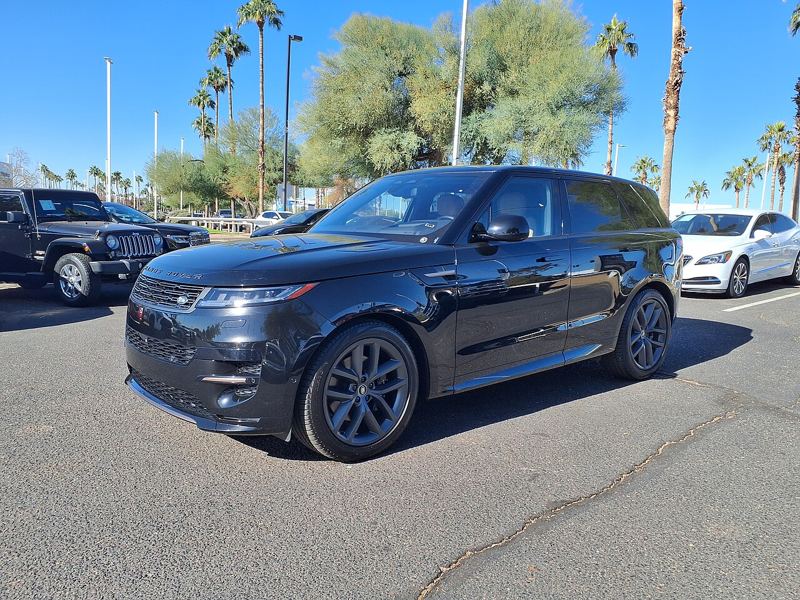
Photo: HJUdall · CC0 What changed. Revealed on May 10, 2022 with a film of James Bond stunt driver Jessica Hawkins climbing Iceland’s Kárahnjúkar Dam spillway, the new Sport uses MLA-Flex, intelligent all-wheel drive and standard Dynamic Air Suspension. U.S. dealers opened orders on May 10 and deliveries were scheduled for September 2022. Starting MSRP was $83,000 plus $1,350 destination, totaling $84,350. The announced U.S. range included 355/395 hp mild-hybrid six-cylinders, a 434 hp plug-in hybrid and a 523 hp 4.4-liter twin-turbo V8. The later SV added a 626 hp V8.
The innovation. Dynamic Air Suspension, with switchable-volume air springs, a Range Rover first: it varies the pressure in the air springs to deliver the brand's classic softness or a sports car's firmness, and uses navigation data to prepare the vehicle before each bend. It is joined by Dynamic Response Pro, a 48-volt electronic anti-roll system with up to 1,400 Nm per axle, and over-the-air updates for 63 electronic modules.
If you buy one usedNHTSA lists several recalls, with free remedies for eligible affected vehicles. Structure: improperly bonded body panels on some 2024s (23V872, fixed with two rivets and sealant) and possible cracks in the rear subframe on certain 2024–2026 Sport SV models (26V613; interim letters expected November 20, 2026, followed by notice when the final remedy is available). Powertrain: low transmission oil pressure that could drop the vehicle into neutral on 2024s (24V380), an oil filter housing that could crack on 2024s (24V450), the cam carrier oil channel on 2023s (23V044) and the DC-DC converter on 2023–2024 mild hybrids (26V248 and 26V599). Lights and cabin: wrong or moisture-prone tail lights on 2023s (23V251 and 23V871), a sensing module that could overheat on 2024s (24V678), the rear center buckle on 2025s (25V155), a gear shift module with moisture on 2025s (25V705) and a panoramic roof trim that could detach on affected vehicles under 26V097; confirm the exact model year and VIN with JLR. Look up the VIN at nhtsa.gov before buying. The converter notices describe interim notifications and later final-remedy letters; confirm current availability for the exact VIN.
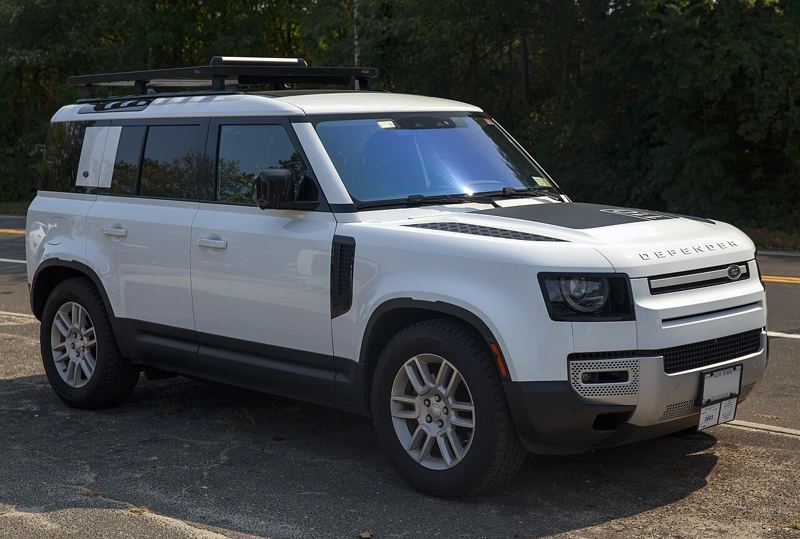 Land Rover DefenderDefender name introduced in 1990
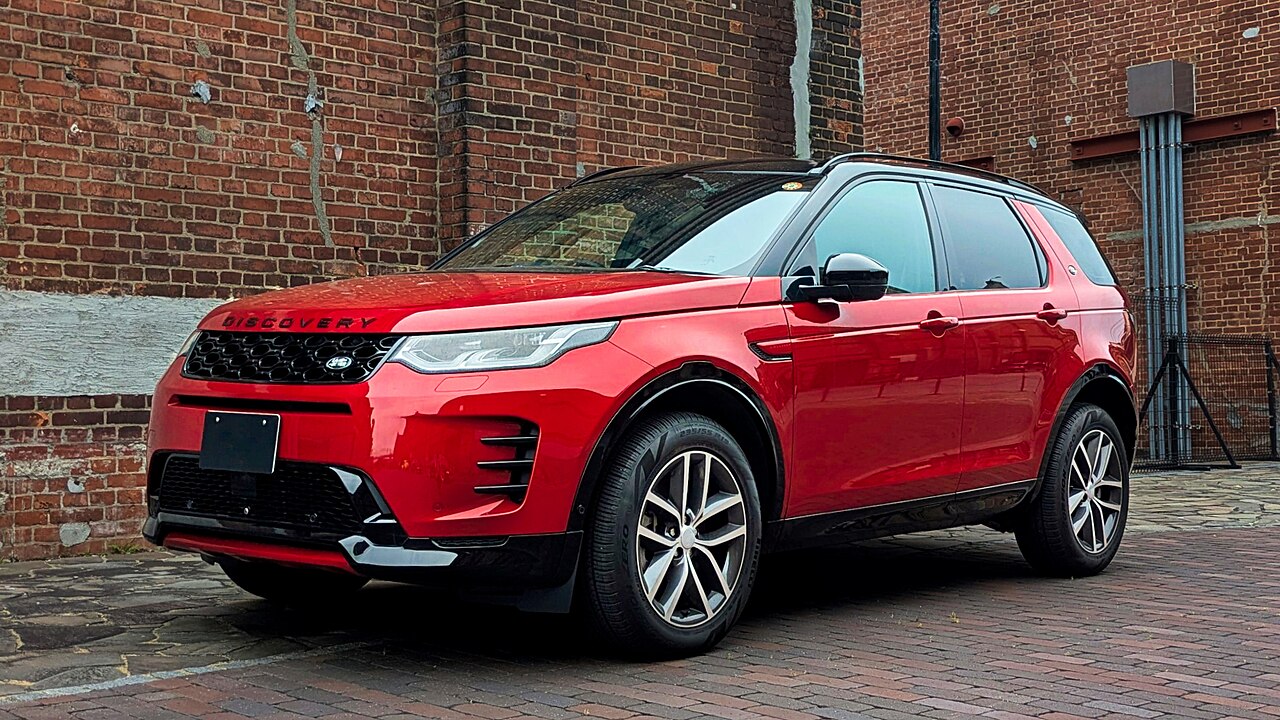 Land Rover Discovery Sport2015–present
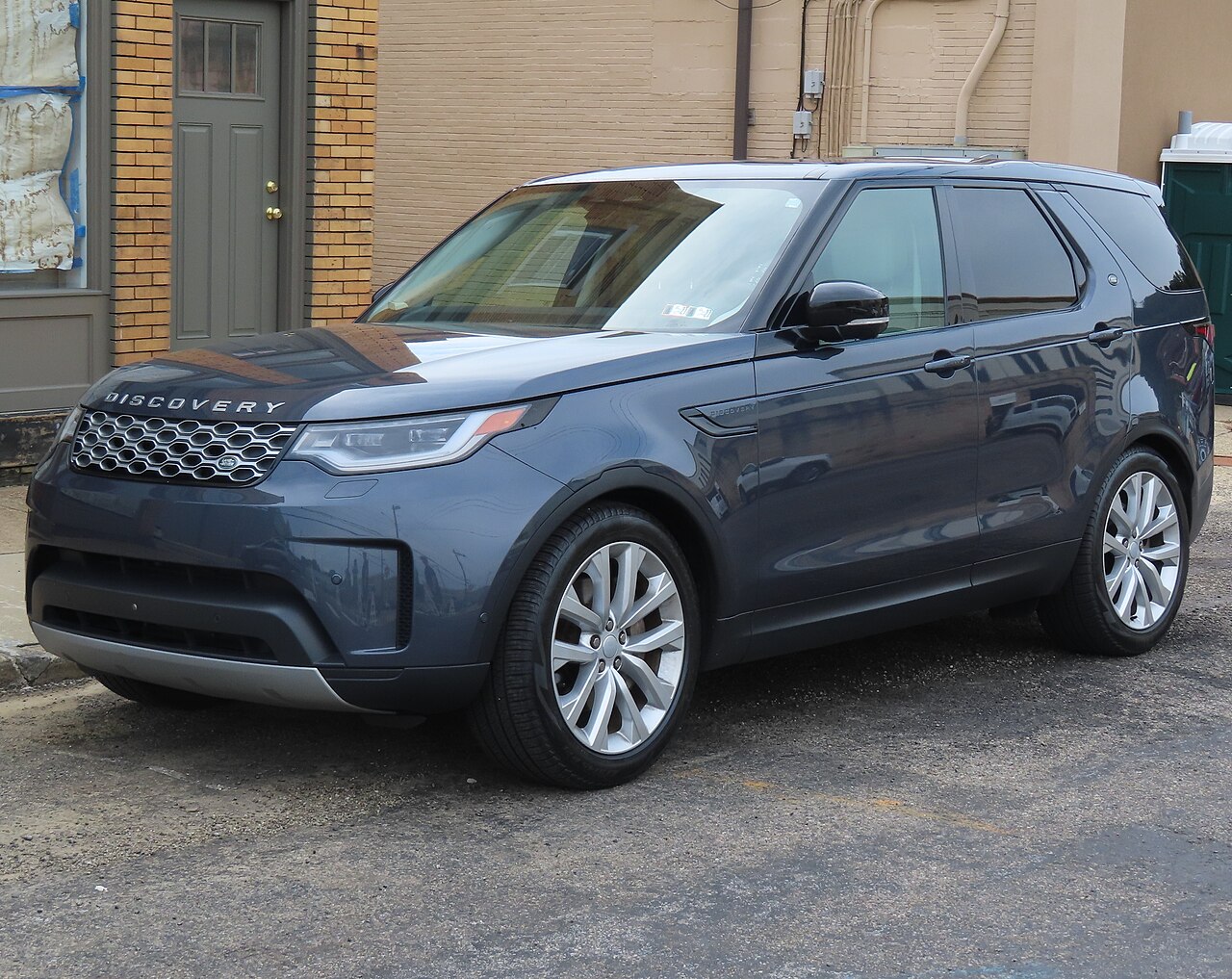 Land Rover Discovery1989–present
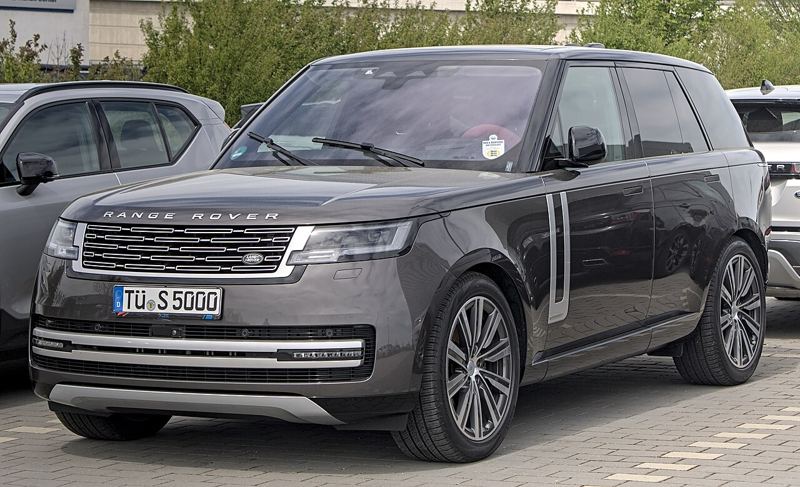 Land Rover Range Rover1970–present
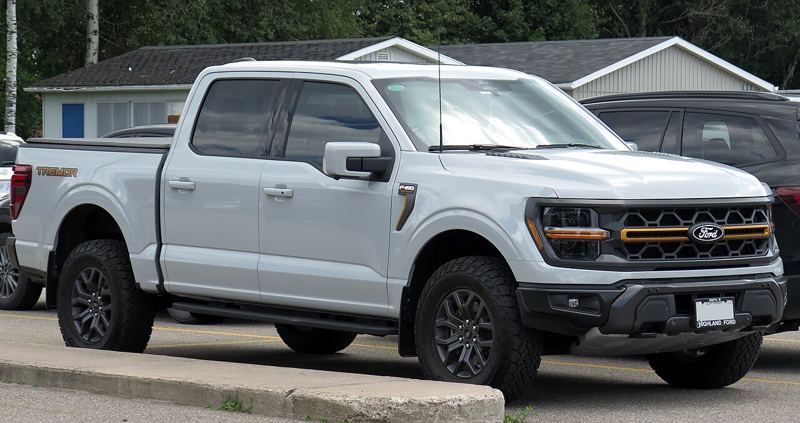 Ford F-Series (F-150)1948–present
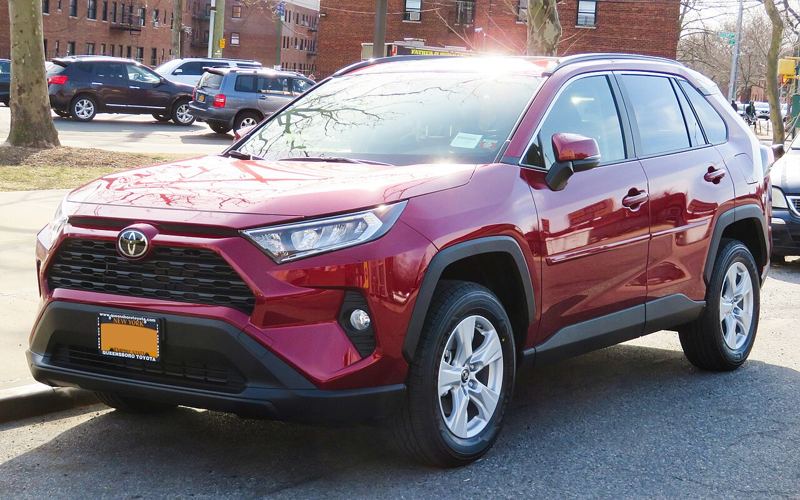 Toyota RAV41994–present (US from 1996)
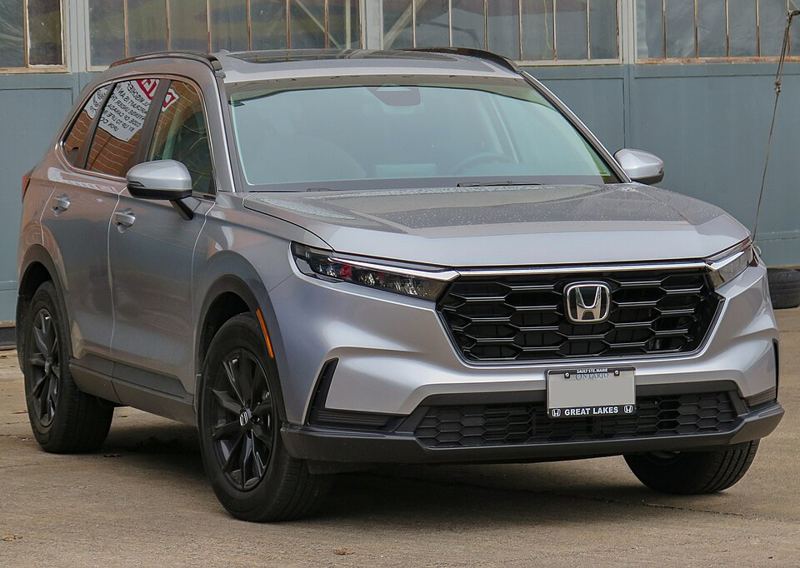 Honda CR-V1995–present
 Ram 15001981–present
 Tesla Model Y2020–present


