
Land Rover Range Rover
Full-size luxury SUV · 1970–present. This review has not established this model’s 2024 U.S. sales.
How it began
Charles Spencer King, known as Spen King, Rover's engineering chief for new projects and nephew of Maurice and Spencer Wilks, the brothers who created the Land Rover in 1948. JLR calls him the father of the Range Rover. With chassis engineer Gordon Bashford he set the basic shape and dimensions, and David Bache, Rover's design boss, refined the grille, headlamps, tail lamps and side lines. The current generation was unveiled in 2021 with Gerry McGovern as JLR's chief creative officer; today the Range Rover brand is run by Martin Limpert.
Rover developed it and tested it off-road in tin mines near St Agnes, Cornwall. Solihull has been its home ever since: the 500,000th Range Rover left there in 2002, and the second generation took its name from a building at that plant. Solihull manufactures the gasoline, plug-in hybrid and electric versions, and that is where the ones sold in the United States come from.
Work began in 1966. It was announced to the press on June 17, 1970 and went on sale that same year, as a two-door only; the four-door arrived in 1981. It launched in North America in 1987, 17 years after its debut.
The name was proposed by stylist Tony Poole, after options such as Panther and Leopard were turned down. Rover is the company that created it. While it was tested in secret, the prototypes wore decoy badges reading Velar, a name that returned in 2017 as a model of its own in the Range Rover family.
Rover sold comfortable road sedans and, separately, the Land Rover, rugged and built for the farm. Spen King wanted to bring the two together: the comfort and on-road manners of a Rover sedan with the off-road ability of a Land Rover. The prototype was first called the '100-inch station wagon', and only ten were built before production. JLR describes it today as the world's first luxury SUV.
Generation by generation
- Gen. 11970–1996 · Classic
The first luxury SUV: permanent four-wheel drive and an aluminum V8
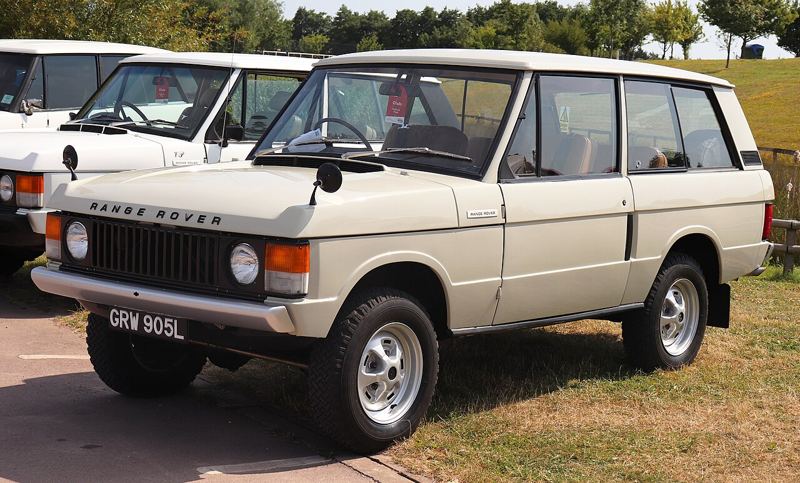
Photo: Vauxford · CC BY-SA 4.0 What changed. It was the starting point: a 4x4 with permanent four-wheel drive and a center differential, coil springs, disc brakes on all four wheels and a lightweight 3.5-liter aluminum V8 with 156 hp and a 96 mph top speed. It was born as a two-door; the four-door arrived in 1981, the automatic gearbox in 1982 and the first diesel in 1986. The V8 grew to 3.9 liters in 1989 and to 4.2 in 1992, the year of the long-wheelbase LSE. It reached North America in 1987 and production ended in 1996 after 317,615 units.
The innovation. Manufacturer histories identify Range Rover as the first 4x4 with ABS in 1989 and with electronic traction control and automatic electronic air suspension in 1992. Its design was recognized at the Louvre in 1971: JLR’s detailed 40-year account says a model was shown inside while the full-size vehicle was displayed outside; its current history describes the full-size vehicle at the entrance.
If you buy one usedU.S. sales began in 1987. Confirm the exact model year and chassis; global Classic production continued through 1996. NHTSA lists a recall for certain 1987–1991 models because the bottom of the fuel tank can corrode and leak (95V155). The 1987–1988 models also have recalls for corrosion between the fuel filter and its bracket (88V116), an oversized pin in the seat belt retractor (88V034) and a poorly installed clip on the brake pedal shaft (89V012). Check by VIN at nhtsa.gov that the repairs were done. Land Rover Classic restores these models at its Classic Works facility in Coventry: in 2026 it spent more than 2,000 hours on a 1993 U.S.-market County. - Gen. 21994–2001 · P38A
P38A: more luxury and adjustable air suspension
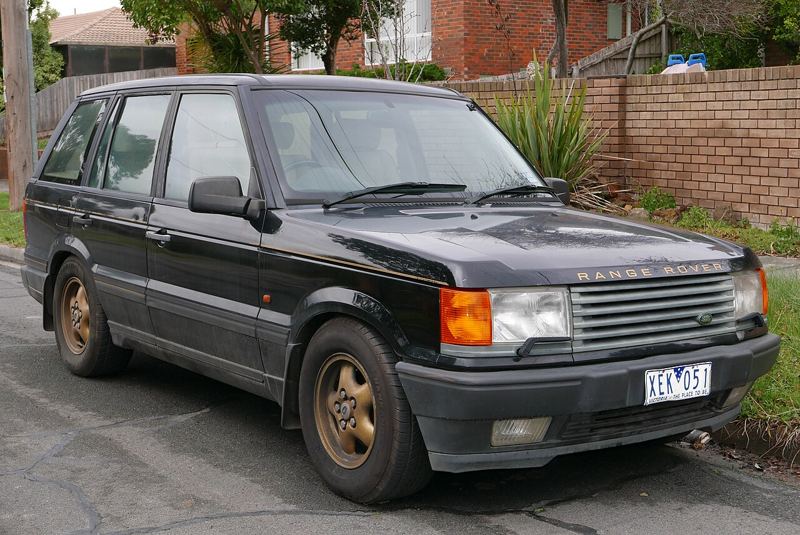
Photo: OSX · Public domain What changed. It debuted in 1994 and took its name from building 38A at Solihull, where it was developed. It kept the original's signatures: floating roof, clamshell hood, split tailgate and continuous waistline. It gained more space, a more luxurious interior, height-adjustable suspension and 4.0- and 4.6-liter V8s, plus a 2.5-liter diesel. With the 4.6 it reached 125 mph and ran 0 to 60 mph in 9.3 seconds.
The innovation. This period continued the Autobiography personalization service, offering hand-finished interiors and individual paint choices. The dedicated manufacturer history dates its announcement to late 1993 and its first customer cars to the Classic LSE, before the P38A. In 1999 the Linley edition was described by Land Rover as one of the first luxury cars with satellite navigation.
If you buy one usedNHTSA lists recalls for 1995 to 2001 models (the 1995 model year includes vehicles from both of the first two generations). Coolant and other underhood hose leaks on 1995–1999 models (00V328 and 98V149); the transmission breather could clog with ice and expel fluid onto hot engine parts on 1995–1999 models (99V007); water in the automatic transmission oil could affect the park function on 1999–2001 models (00V377), and an idler pulley could fracture on 1999–2000 models (00V142). The 1995 models also had recalls for the rear radius arm, which could fail at its end (96V050), and for a chafed cruise control wire that could set off the driver's airbag on its own (98V040). For the overlapping 1995 model year, confirm each campaign by exact VIN and chassis; a generic model listing does not identify every affected Classic or P38. - Gen. 32001–2012 · L322
L322: monocoque body and independent air suspension
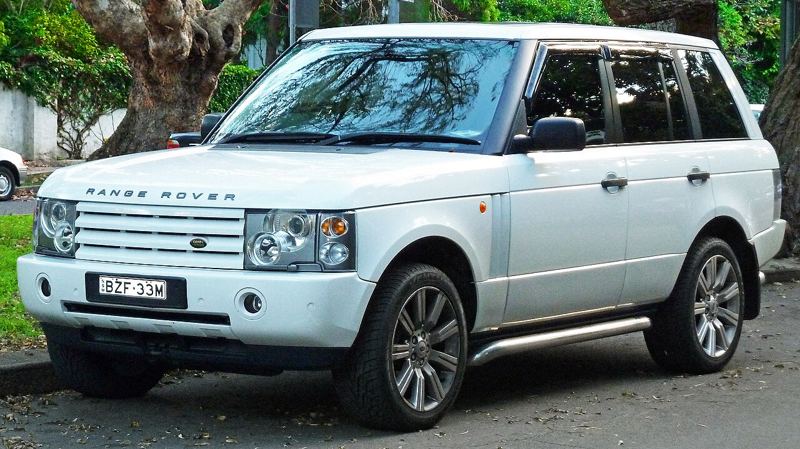
Photo: OSX · Public domain What changed. Unveiled in 2001, L322 replaced the ladder frame with a stiffer monocoque body and fully independent suspension with interconnected air springs. The manufacturer’s North American history identifies its U.S. model-year span as 2003–2012. New 5.0-liter V8s and a virtual instrument display were unveiled in April 2009 for MY2010. Solihull built the 500,000th Range Rover in 2002, and the separate Range Rover Sport family model arrived in 2005.
The innovation. According to Range Rover, this generation introduced the Terrain Response system, which adapts the vehicle to the type of terrain, and took a big step in ride quality thanks to its four-wheel independent air suspension.
If you buy one usedNHTSA lists: on 19,168 2003–2005 vehicles, the front differential coupling sleeve and the propeller shaft could be misaligned and wear the splines until drive is lost (08V635); on 2006–2012 vehicles built between April 15, 2005 and September 4, 2012, the flexible front brake hoses could rupture (15V039); 2007–2012 vehicles had campaigns for the front passenger airbag inflator, by original-sale or ever-registration zone and exact VIN (16V374, 17V015, 18V011 and 18V015), and on some 2012s the windshield may have been installed incorrectly (12V485). Check by VIN at nhtsa.gov that everything has been repaired. - Gen. 42012–2021 · L405
L405: the first aluminum SUV
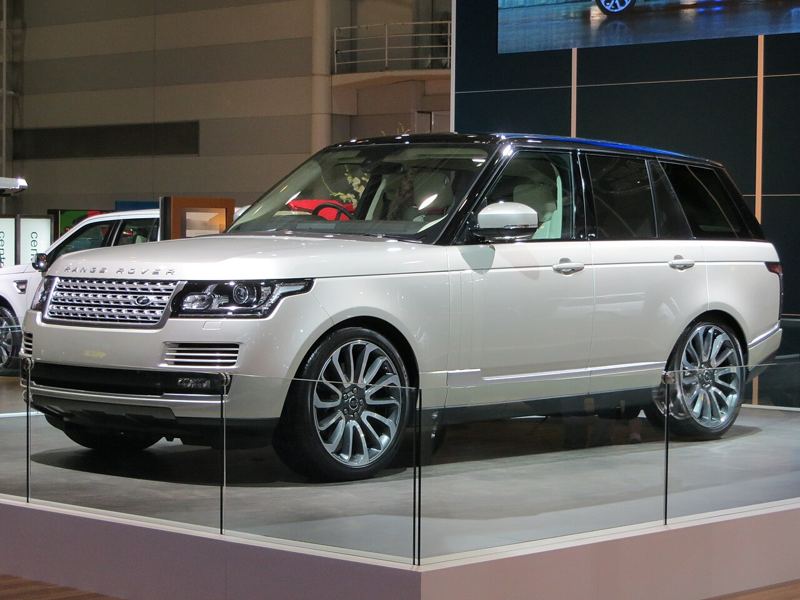
Photo: OSX · Public domain What changed. Revealed in London on September 6, 2012 and in the U.S. a week later from $83,500 including destination, L405 used an aluminum body shell 39 percent lighter than its steel predecessor. North American V8 specifications saved approximately 700 lb. U.S. launch engines were a 375 hp 5.0-liter V8 and a 510 hp supercharged V8, both with eight-speed automatic. The October 2017 global update introduced P400e with 404 PS and up to 31 electric miles on the NEDC test cycle, plus Touch Pro Duo twin touchscreens; that global announcement does not establish a 2017 U.S. P400e retail launch.
The innovation. It was the world's first SUV with an aluminum monocoque. To build it, JLR invested more than 370 million pounds at Solihull in what it called the world's largest aluminum body shop. It also introduced Terrain Response 2, which picks the settings on its own, and in 2014 it was the first vehicle with All-Terrain Progress Control.
If you buy one usedNHTSA lists several recalls, with free remedies for eligible affected vehicles. Doors: the keyless latch could leave doors that looked closed but were unlatched on 2013–2016 models (15V385, 19V392 and 20V387; on 2016s also 19V390 and 20V325). Suspension: the front upper knuckle joint could crack on 2014–2017 models (24V840 and 25V514), and on some 2016–2017s the repair may have used incorrect parts (26V527). Airbags and seat belts: the system could misclassify a lightweight adult passenger and disable that airbag on 2013–2015 models (15V093); passenger inflator initiator on 2016s (16V941 and 17V154); seat belt pretensioners and retractors on 2016–2017s (16V942, 19V350 and 22V219). Brakes: brake booster vacuum hose on 2013–2014s (15V042). Engine: the crankshaft pulley bolt could fracture on 2019 V6 and V8 engines (19V040). Camera: water could get into the rearview camera on certain 2018–2022 models equipped with Surround Camera System (24V023). Campaign 25V514 expands and replaces 24V840; 22V219 replaces 19V350 and can require another remedy after an earlier inspection without belt replacement. - Gen. 52021–present · L460
L460: seven seats, four-wheel steering and now electric
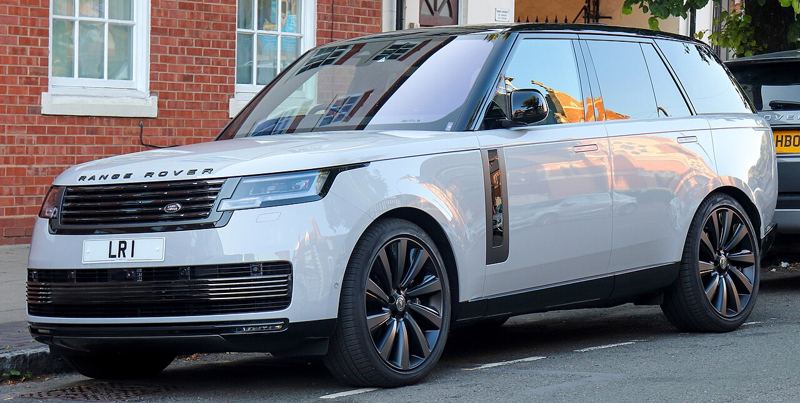
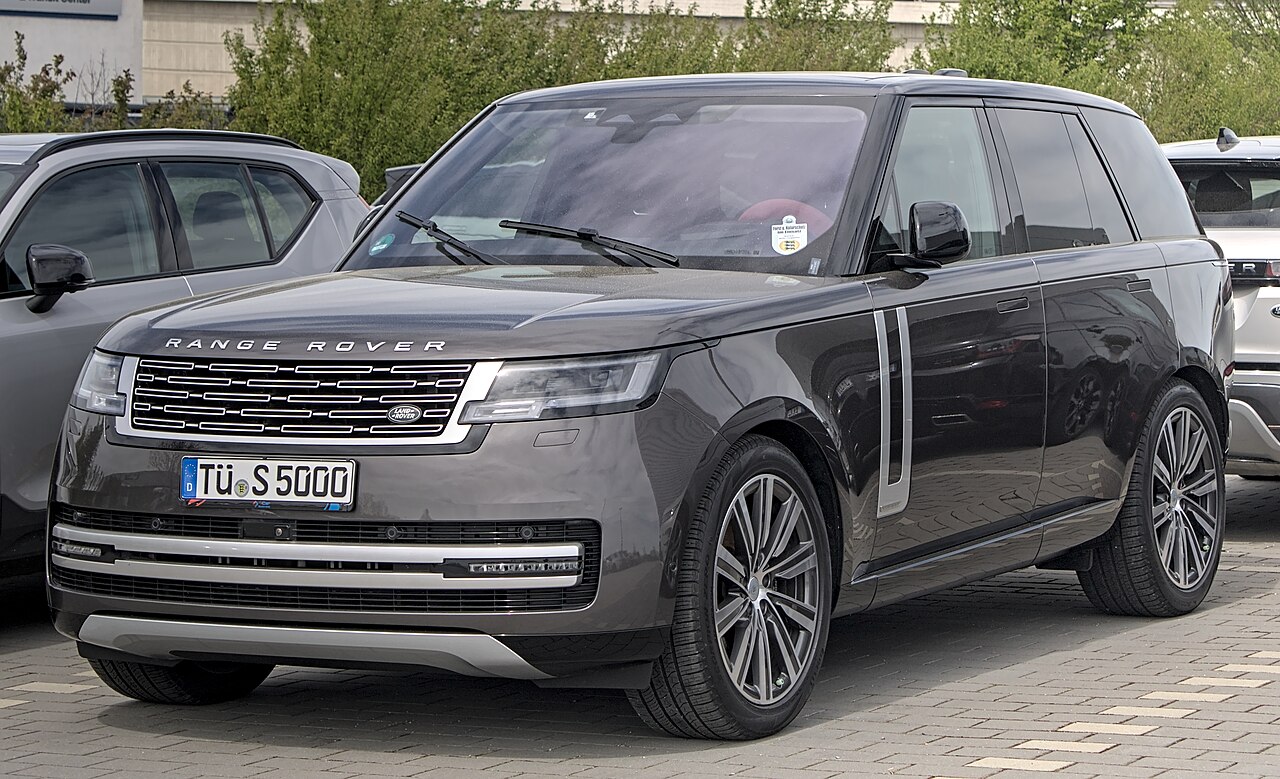
Photo: Vauxford · CC BY-SA 4.0 What changed. Unveiled on October 26, 2021 at London’s Royal Opera House, L460 introduced MLA-Flex, standard and long wheelbases and the first up-to-seven-seat Range Rover configuration. The U.S. MY2022 announcement quoted $104,000 base MSRP plus $1,350 destination and scheduled deliveries for spring 2022. The MY2023 plug-in hybrid was previewed with up to 62 electric miles as a manufacturer estimate under the WLTP cycle, distinct from an EPA range rating. On September 2, 2026 JLR opened U.S. orders for the first electric Range Rover from $138,000. The manufacturer says Solihull’s flexible production accommodates mild hybrids, plug-in hybrids and the electric model.
The innovation. At launch, all-wheel steering gave the tightest turning circle of any Land Rover, while third-generation active noise cancellation used outside microphones and headrest speakers to create quiet zones. JLR reports over 300 patent applications for Range Rover Electric, its most for a single vehicle. It specifies two 260 kW permanent-magnet motors, combined maximum output up to 542 hp, a usable 118.5 kWh battery, 800-volt architecture and up to 35 inches of wading depth. The current manufacturer page publishes up to 333 miles as an EPA range estimate; the launch release identifies JLR testing and cautions that official EPA figures may differ.
If you buy one usedNHTSA lists several recalls, with free remedies for eligible affected vehicles. Seats and interior: insufficient welding on the second-row left seat frame of 2022–2023 seven-seaters (23V252) and the rear armrest storage latch on 2022–2023 models (23V324). Lights and camera: the tail light link could be damaged and knock out brake lights and turn signals on 2022–2023 models (23V394); water in the rearview camera on 2022–2026 models (24V947 and 26V678). Airbag: the driver's clockspring connector could corrode on 2022–2026 models (26V389). Engine and transmission: the cam carrier oil channel on 2020–2023 models (23V044); loose oil cooler hoses (23V790), an oil filter housing that could crack (24V450) and low transmission oil pressure that could shift it into neutral (24V380), all on some 2024s. Structure: improperly bonded body panels on some 2024s (23V872) and a panoramic roof side trim that could detach on 2023–2026 models (26V097). Electrical: the DC-DC converter on 2020–2024 mild hybrids could fail (26V248 and 26V599). Check by VIN at nhtsa.gov before buying. These model-year groups can include the preceding generation. For 26V678 and 26V599, the notices describe interim notifications and later letters when the final remedy is available; confirm current availability for the exact VIN.
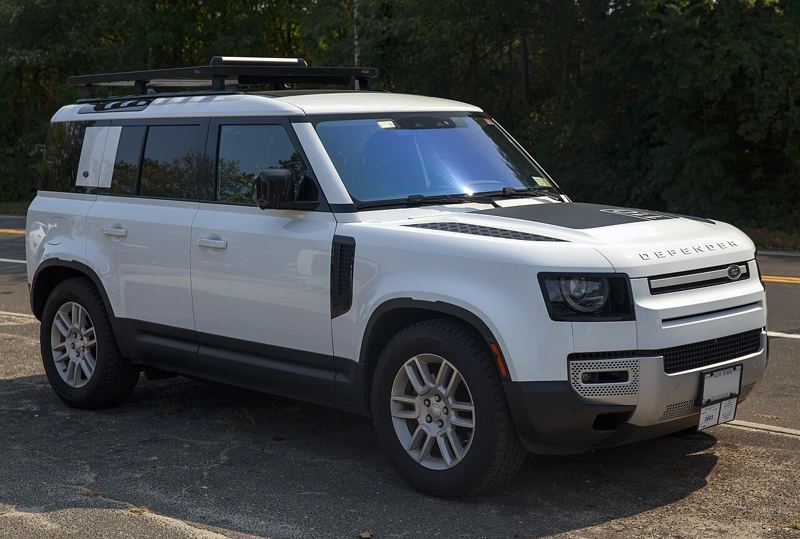 Land Rover DefenderDefender name introduced in 1990
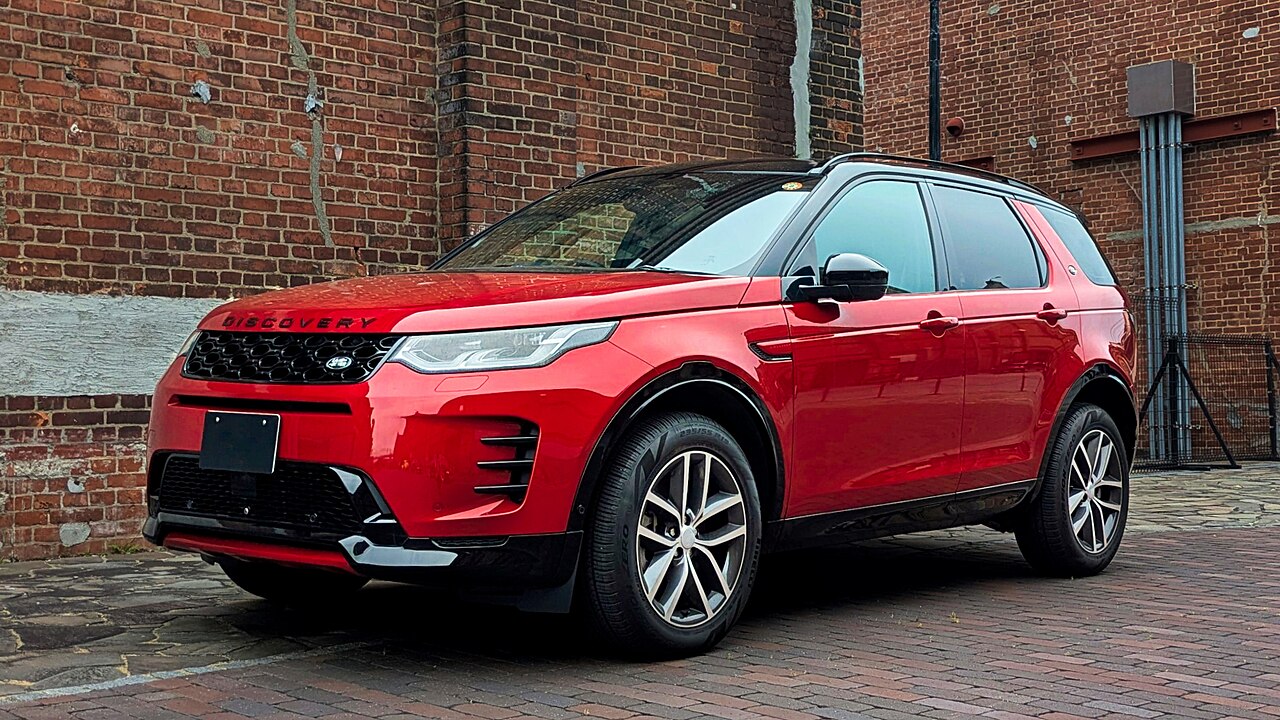 Land Rover Discovery Sport2015–present
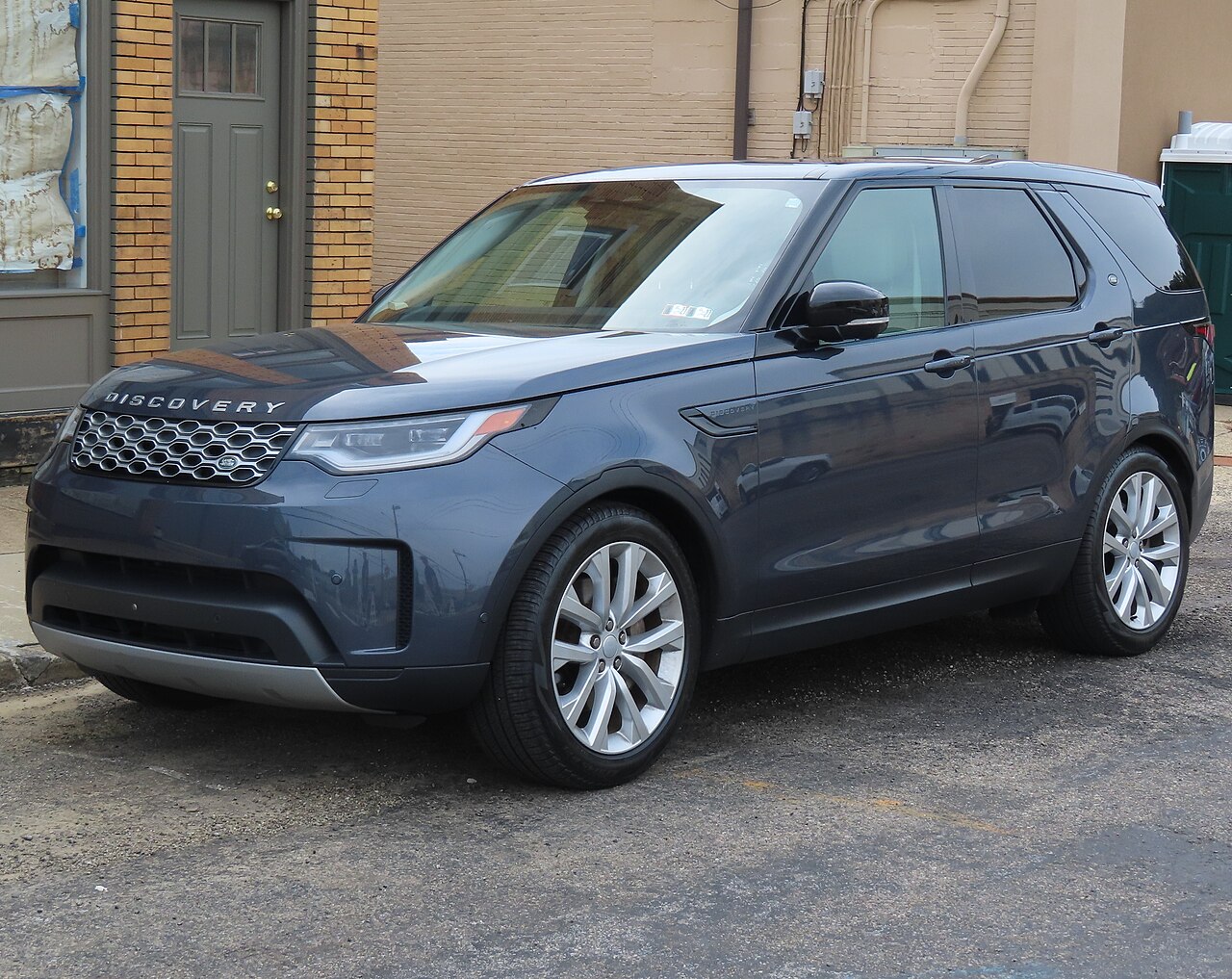 Land Rover Discovery1989–present
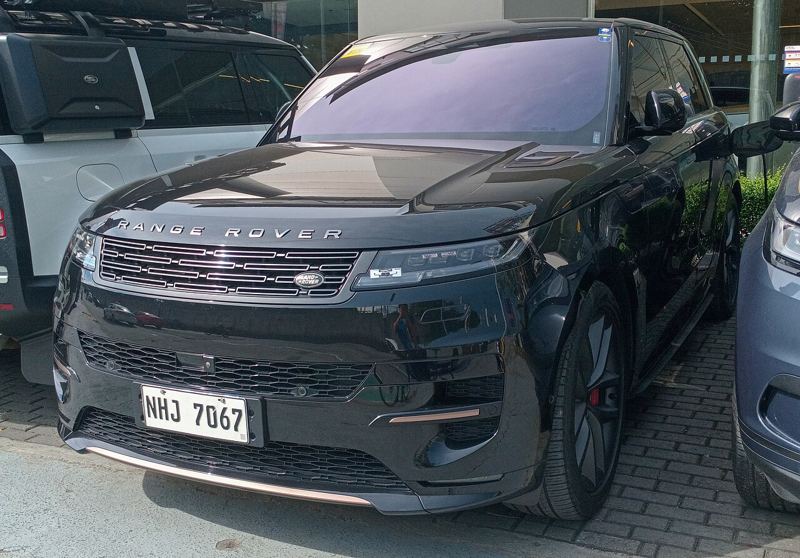 Land Rover Range Rover Sport2005–present
 Ford F-Series (F-150)1948–present
 Toyota RAV41994–present (US from 1996)
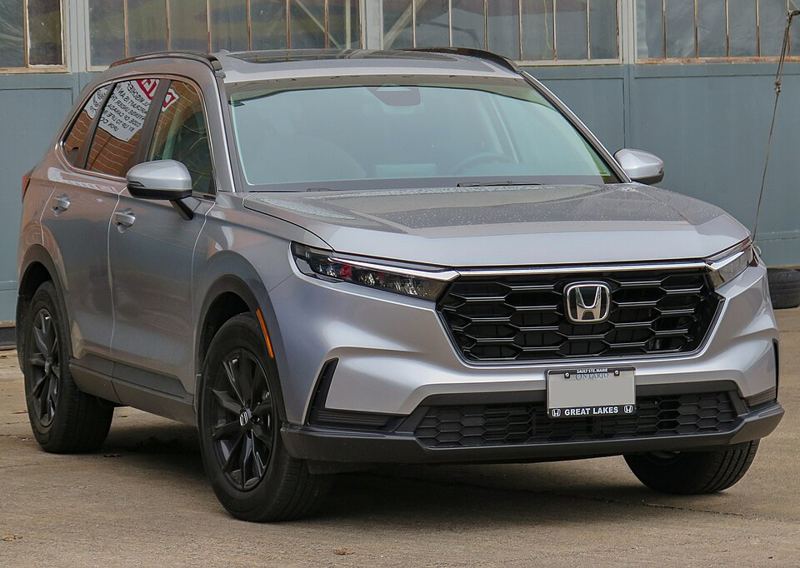 Honda CR-V1995–present
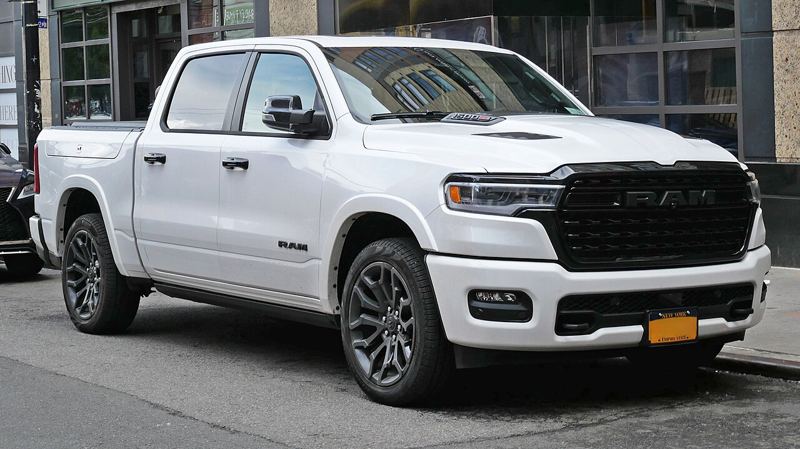 Ram 15001981–present
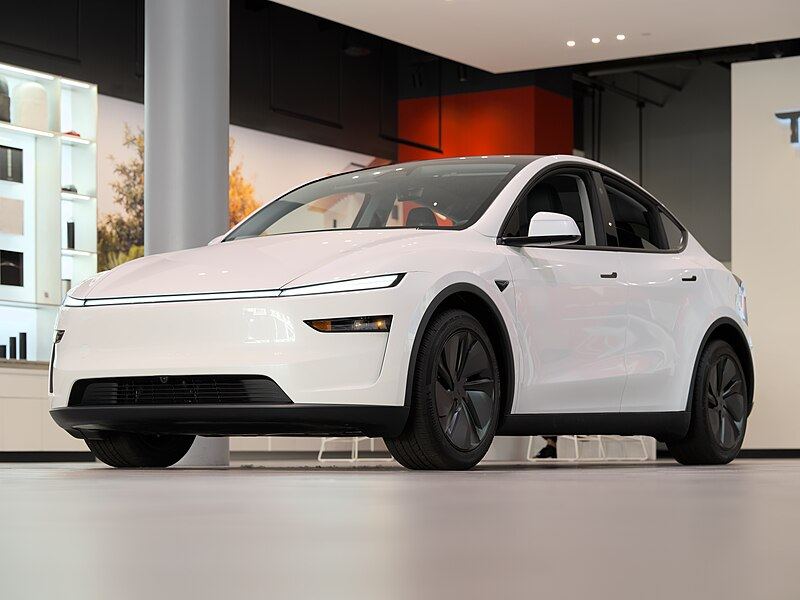 Tesla Model Y2020–present


