
Toyota Tacoma
Midsize pickup · 1995–present. 192,813 units sold in the US in 2024
How it began
Toyota Motor Sales USA introduced Tacoma in 1995; Toyota Division senior vice president Dave Illingworth announced it. Calty Design Research in Newport Beach, California, supplied the original design concept. Contemporary Automotive News reporting from the 2005 Tacoma press launch identified Yuichiro Obu as chief engineer. Toyota’s own later introductions name Mike Sweers and Motoharu Araya for the 2016 model and Sheldon Brown for the 2024 model.
Toyota describes Tacoma as its first truck both designed and built in America. The original 1995 program assigned assembly exclusively to NUMMI in Fremont, California, the Toyota–GM joint venture; Toyota pickups had already been produced there since 1991. Tacoma production began in San Antonio in July 2010, with an official ceremony in August. The current manufacturer roster lists Tacoma in Baja California and Guanajuato, Mexico. Toyota’s July 6, 2026 announcement plans an approximately four-year transition of Baja California production to an expanded San Antonio plant; it does not announce the closure of Guanajuato.
Toyota unveiled it at the 1995 Chicago Auto Show (announced February 10, 1995) as a 1995.5 model. Its roots go further back: Toyota's first pickup for the U.S. arrived in 1964, and the Hilux debuted in Japan in March 1968.
Tacoma (or Tahoma) is the Coast Salish name for Mount Rainier in Washington state; it is also the name of a nearby city. Toyota's marketing team chose it because research showed it suggested the rugged outdoors, adventure and strength. Its ancestor, the Hilux, takes its name from the words high and luxury.
For decades Toyota sold its Hilux-derived compact pickup in the U.S. under letters and numbers only. With the Tacoma, its sixth-generation compact pickup, Toyota wanted a truck built exclusively in America, with stronger engines, a roomier cabin and more safety equipment. It also finally got a name: "Too many numbers confuse potential truck buyers," said Toyota vice president Bryan Bergsteinsson.
Generation by generation
- Gen. 11995–2004
Designed and built in America
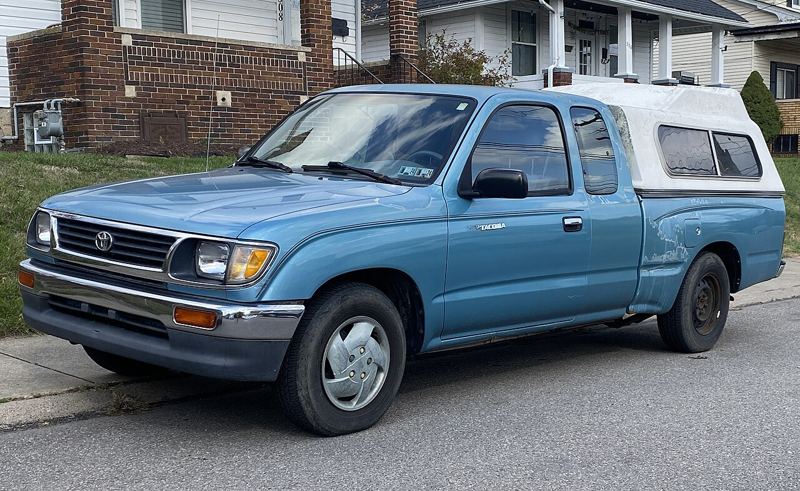
Photo: Cutlass · CC0 What changed. It replaced Toyota's compact pickup with three new engines: a 2.4-liter four-cylinder for 4x2 models, a 2.7-liter for 4x4 models, and a 3.4-liter V6 borrowed from the larger T100. The cabin got taller and the floor lower for easier entry. A driver airbag was standard and four-wheel ABS was optional. It came as a regular cab and an extended Xtracab, and a four-door Double Cab arrived later.
The innovation. The design concept was created in California at Calty. To tell the 4x2 and 4x4 apart at a glance, Toyota gave them different front fascias and fenders. In the Xtracab, a folding table behind the passenger seat allowed the use of a child seat and doubled as an extra cupholder.
If you buy one usedInspect the actual frame and repair records carefully. Toyota’s 2008 program offered certain 1995–2000 Tacomas 15 years of rust-perforation coverage from first use without a mileage limit, with repair or repurchase at Toyota’s option. Those were historical program terms, not a promise of current coverage. Selected safety campaigns include suspension supports 96V129 (1995–1996), front lower ball joints 05V225 (2001–2004), and spare-carrier lift plates 12V542 (2001–2004 in specified road-salt sale/registration states). Confirm current eligibility and completed work by VIN. - Gen. 22005–2015
From compact to midsize
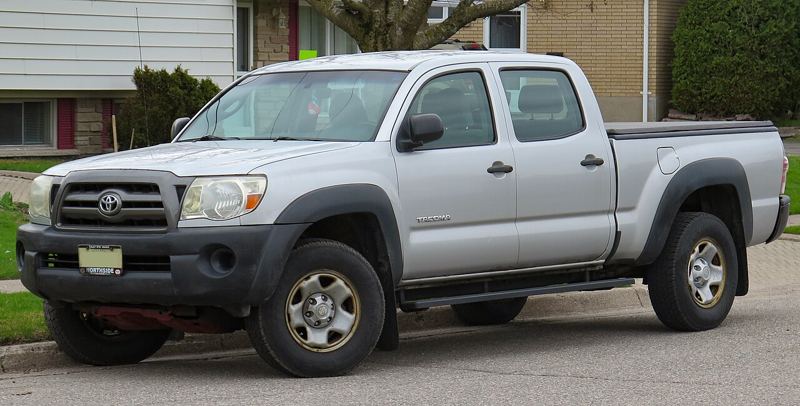
Photo: Elise240SX · CC BY-SA 4.0 What changed. It moved onto the 4Runner chassis and outgrew compact size: the regular-cab 4x2 gained 5.9 inches of wheelbase and the track grew almost four inches. It launched with 18 configurations, an Access Cab with dual rear doors and a Double Cab with two bed lengths. It debuted a 164 hp 2.7-liter four-cylinder and a 245 hp 4.0-liter V6 that replaced the 190 hp V6. ABS with electronic brake-force distribution and brake assist became standard.
The innovation. The composite inner bed made of sheet-molded compound (SMC), 10 percent lighter than steel and tougher, with integrated deck rails and four adjustable tie-down cleats. It also offered hill-start assist and downhill assist control.
If you buy one usedThe historical frame settlement covered about 1.5 million Tacoma, Tundra and Sequoia vehicles combined, including certain 2005–2010 Tacomas. Toyota’s program required inspection and frame replacement when the court’s rust-perforation standard was met, with separate corrosion-treatment conditions. Ask for actual inspection/replacement records and verify present eligibility. Selected recalls include rear leaf springs 14V604 (2005–2011 PreRunner/4x4), driver-airbag spiral cables 12V092 (2005–2009), and floor-mat accelerator entrapment 09V388 (specified 2005–2010 Tacomas). Confirm all applicable repairs by VIN. - Gen. 32016–2023
Rebuilt in Michigan for adventure
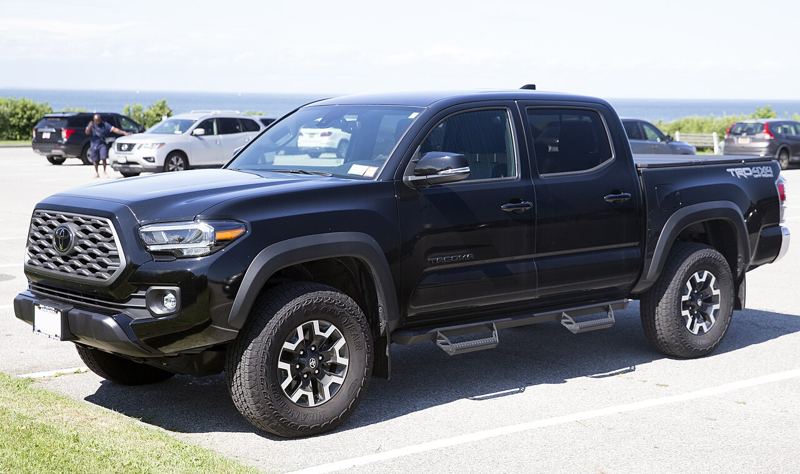
Photo: Mr.choppers · CC BY-SA 3.0 What changed. Toyota Technical Center in Ann Arbor, Michigan, led development. High-strength steel reinforced the frame, while hot-stamped ultra-high-strength steel helped reduce body-shell weight. A new six-speed automatic served both engines, and the V6 also offered a six-speed manual. Available TRD Off-Road equipment included Multi-Terrain Select and Crawl Control, which managed throttle and brakes at a selected 1–5 mph while the driver steered. At the 2016 introduction, Toyota named San Antonio and Baja California as assembly sites; its factory roster separately dates Guanajuato production to December 2019.
The innovation. A 3.5-liter Atkinson-cycle V6 with D-4S technology, combining direct and port fuel injection; Toyota presented it as a segment first.
If you buy one usedSelected campaigns include rear differential leaks 17V285 (2016–2017), V6 crank-position sensors 17V356 (2016–2017), brake master cylinders 18V888 (2018–2019), fuel pumps 20V012 (specified 2018–2019 vehicles) and its expansion 20V682 (specified 2017–2020 Tacomas), and rear axle fasteners/shafts 24V152 (2022–2023). Published remedies include inspections with conditional repair or replacement. Verify the actual VIN, required work and completion records with Toyota. - Gen. 42024–present
TNGA-F platform and a hybrid option
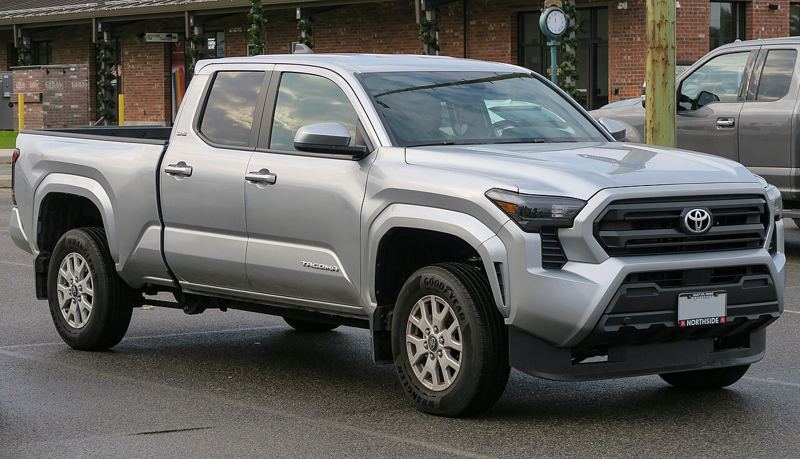
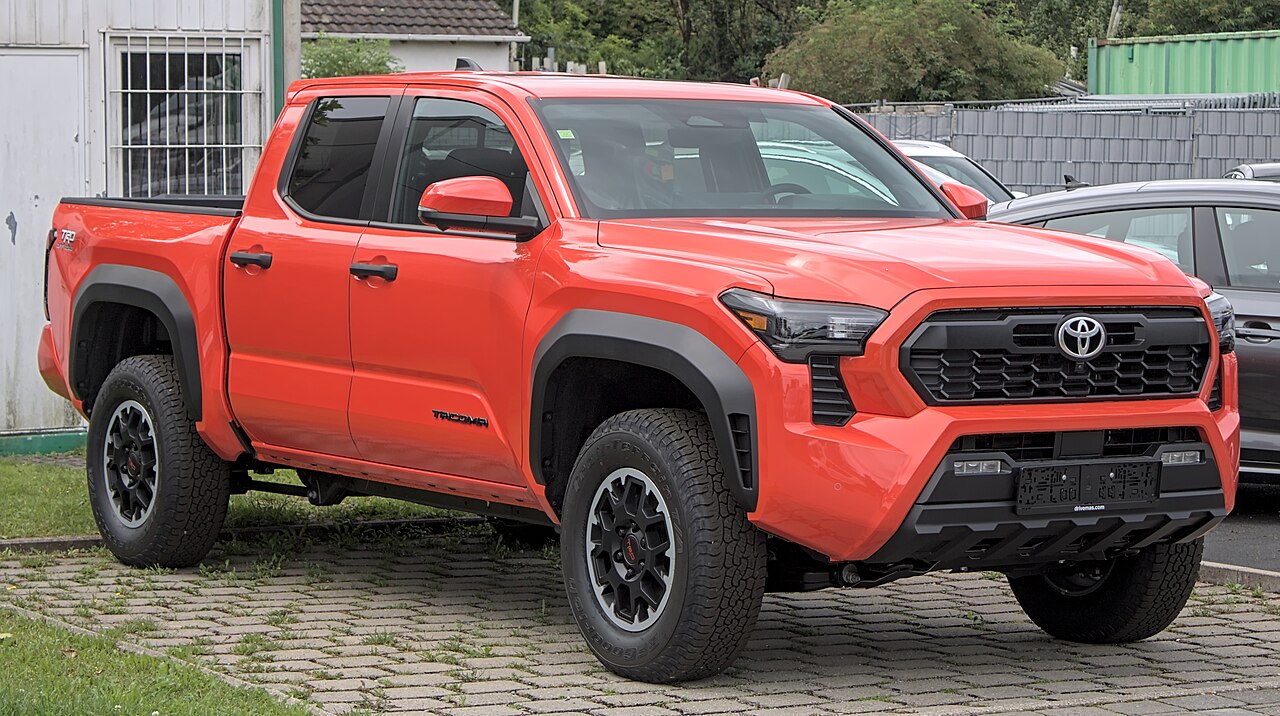
Photo: Elise240SX · CC BY-SA 4.0 What changed. Redesigned from the ground up on the TNGA-F global truck platform shared with the Tundra, Sequoia and Land Cruiser, and engineered specifically for the U.S. Every version uses a 2.4-liter turbo: up to 278 hp and 317 lb-ft with an eight-speed automatic, or the i-FORCE MAX hybrid with up to 326 hp and 465 lb-ft. A six-speed manual remains, now with rev matching. Four-wheel disc brakes and electric power steering are standard, and it launched at $31,500.
The innovation. A multi-link coil-spring rear suspension that replaces the leaf springs used for generations on most grades, for better ride and handling on and off the road.
If you buy one usedCheck 25V058 for rear brake hoses on certain 2024–2025 4WD Tacomas, 25V656 for front driveshaft CV joints on certain 2025 Tacoma/Hybrids, and 26V514 for external-reservoir shock flanges on specified 2024–2025 vehicles. The CV-joint defect can affect steering and, on full-time 4WD without the parking brake applied, allow rollaway. Shock-reservoir detachment can create a road hazard. For 26V514, interim risk letters were mailed September 30, 2026; final-remedy notices are anticipated in March 2027. Confirm actual VIN eligibility, remedy availability and completed work with Toyota.
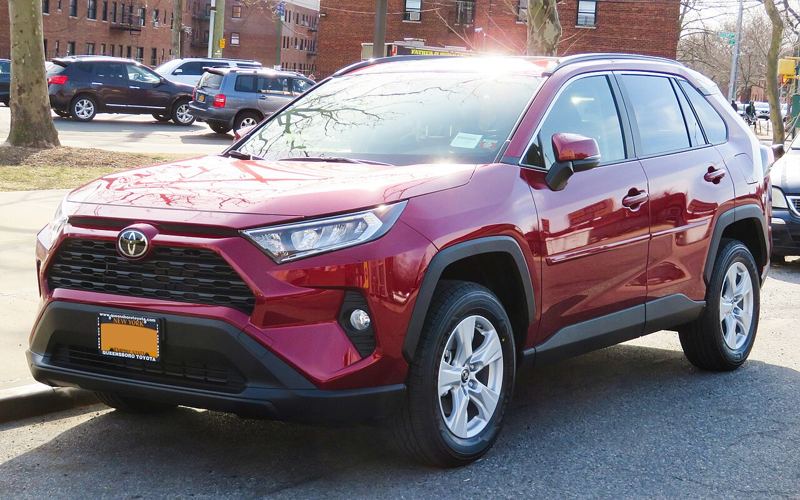 Toyota RAV41994–present (US from 1996)
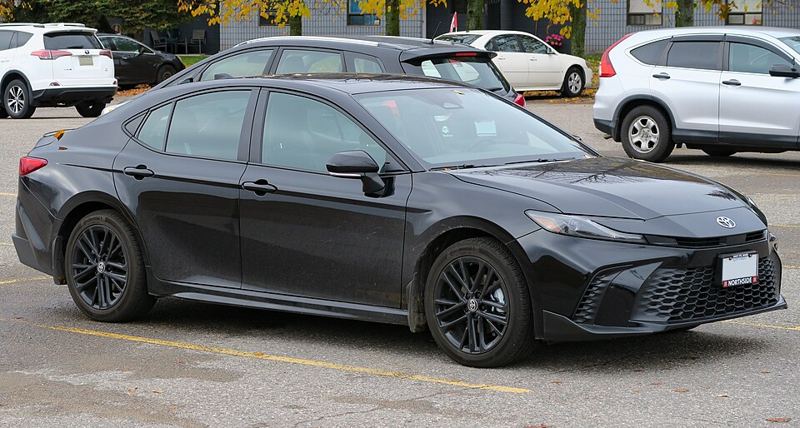 Toyota Camry1982–present
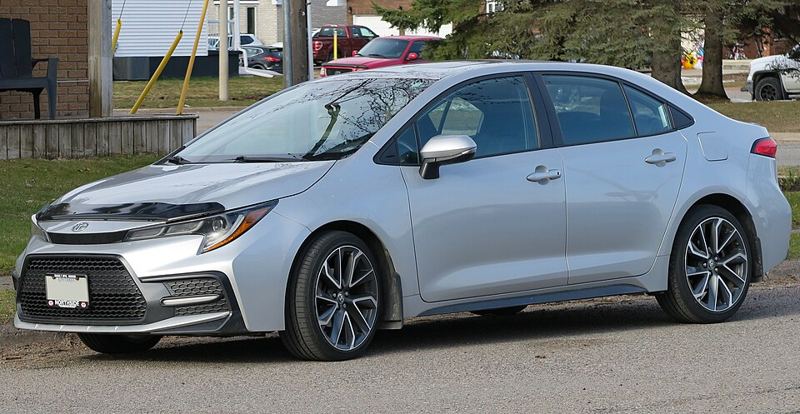 Toyota Corolla1966–present
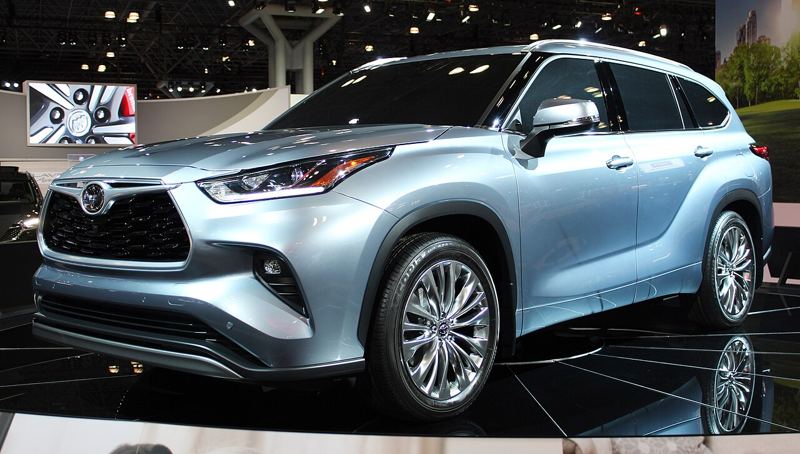 Toyota Highlander2001–present
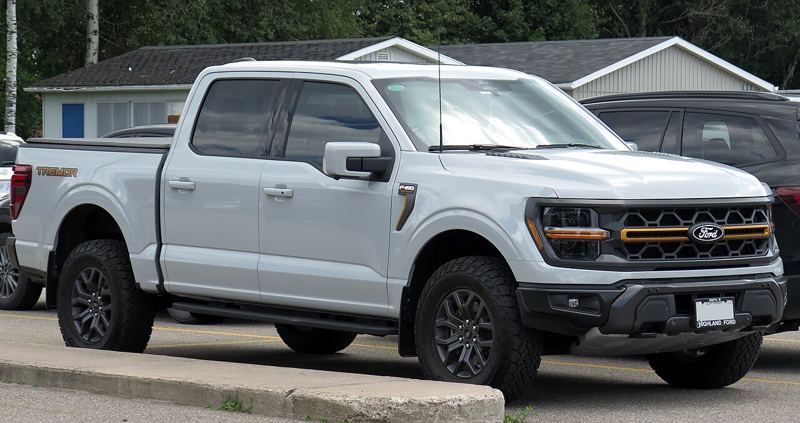 Ford F-Series (F-150)1948–present
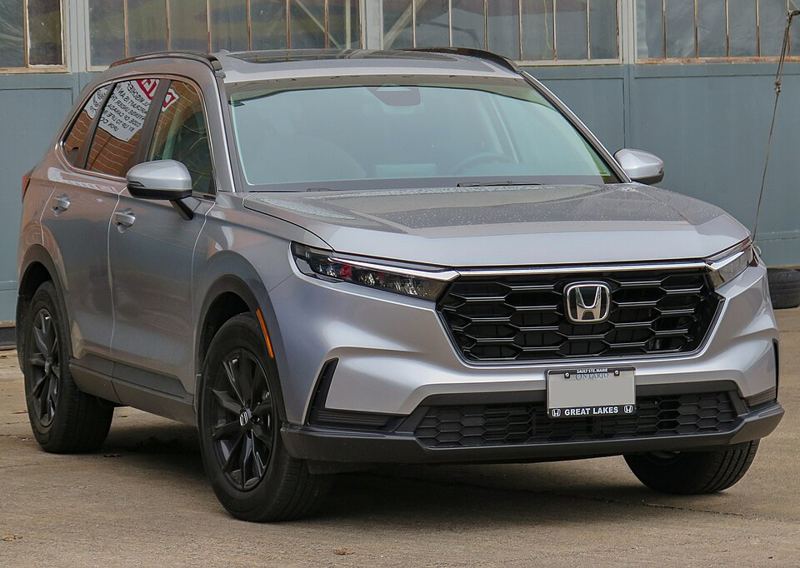 Honda CR-V1995–present
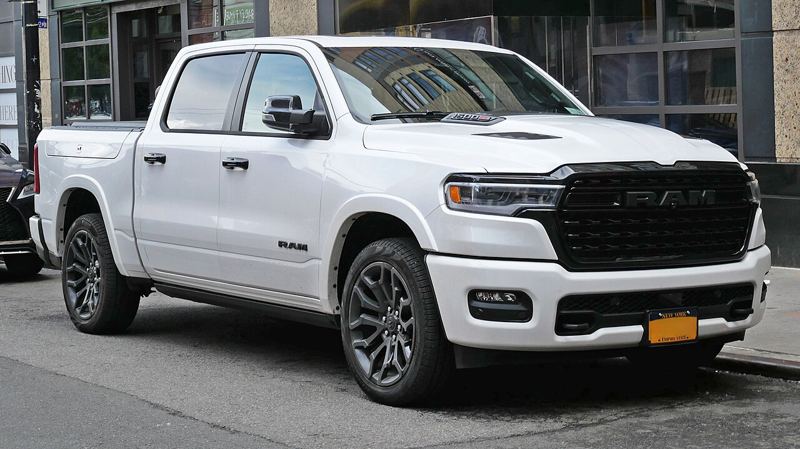 Ram 15001981–present
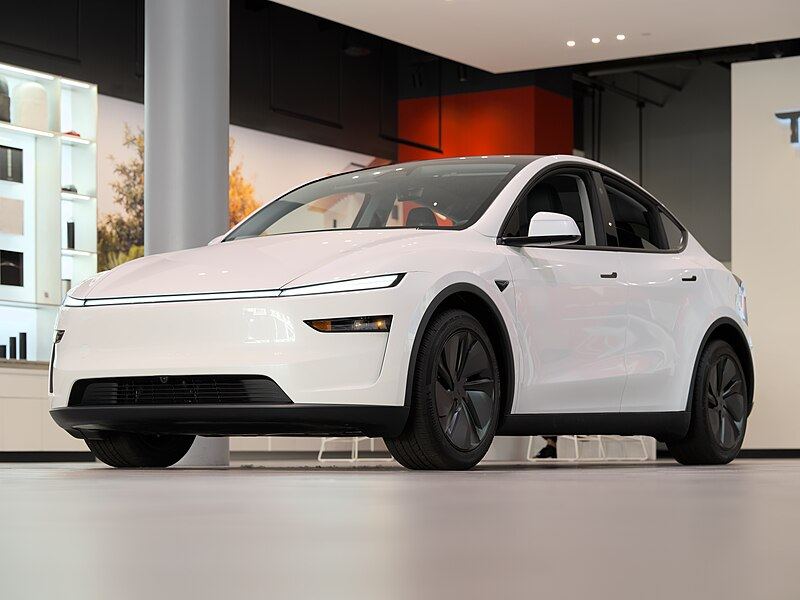 Tesla Model Y2020–present
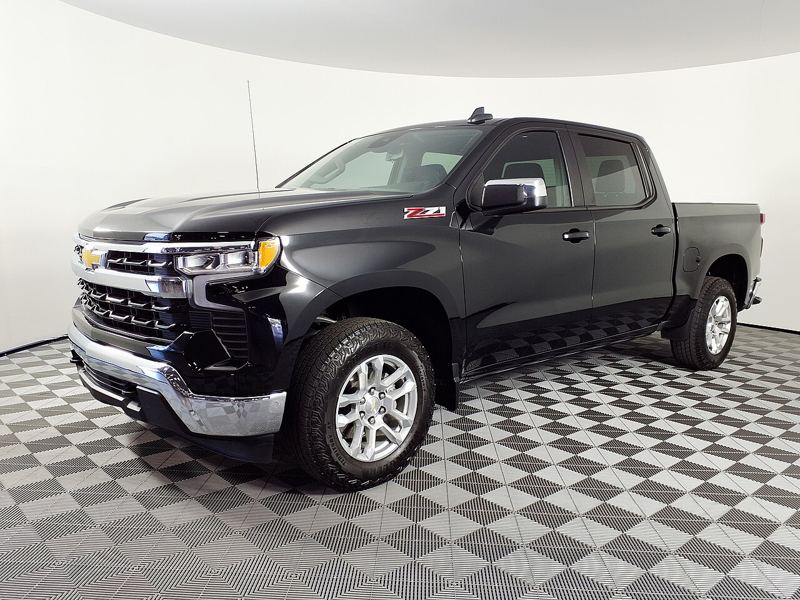 Chevrolet Silverado1999–present


